5 Common Types of Wall Cracks and How to Fix Each One Correctly
 ARDEX ENDURA
 16 Mar 2026
 06 Min
Wall cracks are common issues for residential and commercial buildings (across different climatic zones). However, not every crack signals structural failure or major damage. In many cases, cracks develop due to natural building movement and environmental stress.
Understanding the type of crack is essential before initiating any crack repair process. Early identification lets you fix wall cracks before they escalate into costly structural issues. In addition, selecting the correct repair system ensures durability and long-term performance.
Why Do Wall Cracks Occur?
Settlement And Structural Movement
Temperature And Moisture Variations
Construction materials like concrete and plaster expand with exposure to heat and contract in a cooler environment. Repeated expansion and contraction cycles create stress within the wall surfaces.
Gradually, these stresses manifest and evolve into cracks. Moisture fluctuations further intensify the situation.
Poor Construction Practices
Improper curing, incorrect material selection or inadequate surface preparation often lead to early cracking. If bonding between layers is weak, cracks may develop prematurely. Using Ardex Endura's high-performance solutions helps mitigate such risks.
Water Seepage And Dampness
Water ingress weakens structural materials and reduces surface strength. Damp walls are more prone to cracking because moisture disrupts material stability. Without proper waterproofing systems, even small cracks may expand over time.
1. Hairline Cracks In Plaster
What They Look Like
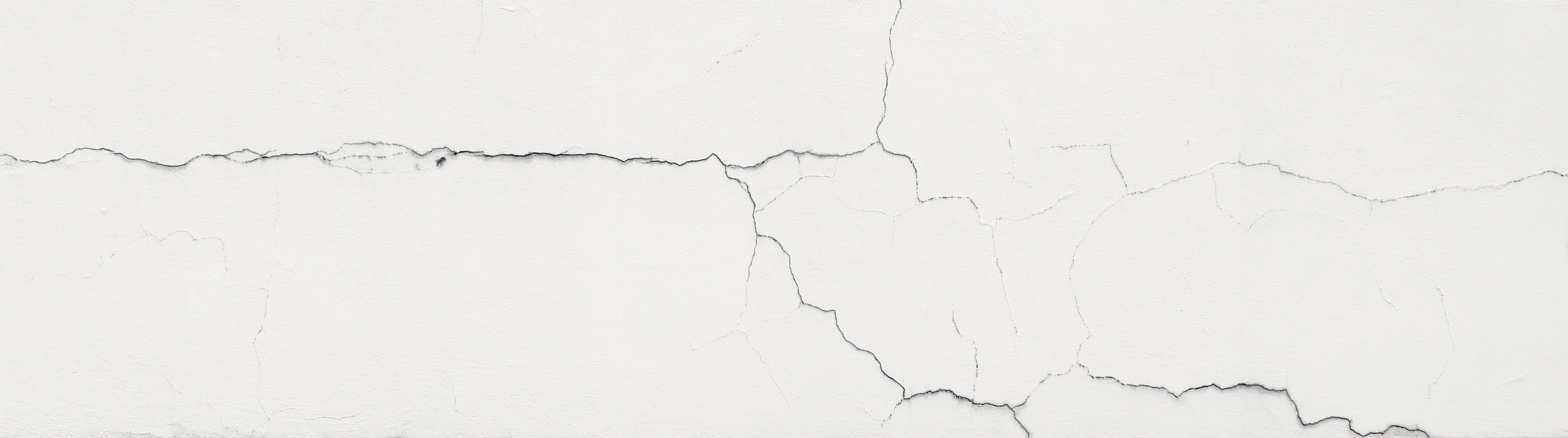
Hairline cracks are extremely thin and often superficial. They usually appear shortly after plaster drying. In most cases, they resemble fine lines spread randomly across the wall surface.
Common Causes
Shrinkage during curing is a primary cause of hairline cracks. Minor thermal expansion also contributes to their formation. Surface-curing issues further increase the likelihood of such cracks.
How To Fix Hairline Cracks
- The first step is to thoroughly clean the crack of dust and debris.
- If necessary, the crack may be slightly widened to improve bonding.
- A suitable crack wall filler or polymer-modified repair mortar should then be applied carefully. Ardex Endura concrete repair systems offer reliable solutions for such applications.
- Post application, the surface must be smoothed and allowed to cure properly before initiating the repainting process.
2. Vertical Cracks In Walls
What They Indicate
Vertical cracks often indicate settlement or structural movement within the building. While some remain stable, others may widen gradually. Monitoring the behaviour of such cracks is therefore essential.
When To Monitor Vs When To Repair
If a vertical crack remains narrow and unchanged, initial observation may be sufficient. However, widening cracks demand immediate crack repair. Early action helps prevent further structural complications.
Correct Repair Approach
- The surface must be cleaned and assessed carefully.
- A suitable crack repair mortar should then be applied based on crack width and depth.
- Reinforcement may be introduced if required to strengthen the affected area.
- For exterior walls, it is advisable to reapply a waterproof coating after repair.
Ardex Endura provides liquid waterproofing membrane systems that enhance long-term protection and help fix wall cracks more efficiently.
3. Horizontal Cracks
Why They Are More Serious
Horizontal cracks often signal more serious structural concerns. They are frequently associated with soil pressure acting against the basement or retaining walls. Unlike superficial cracks, these may indicate significant stress.
Signs Of Structural Concern
A bowing wall or visible displacement requires immediate professional assessment. Larger gaps along horizontal lines further confirm potential structural distress. Dismissing such signs can result in extensive damage.
Repair Strategy
A thorough structural assessment must be conducted before working on the crack repair. Reinforcement systems may be required to restore stability. High-strength repair mortars should then be applied to rebuild the affected section.
Ardex Endura offers suitable concrete repair solutions designed for structural durability. External waterproofing should also be implemented to prevent moisture intrusion.
4. Diagonal Cracks Around Doors And Windows
Causes
Diagonal cracks conventionally appear near door and window openings. These areas experience stress concentration due to load transfer around frames. Foundation settlement further increases the likelihood of such cracking.
Fixing The Crack
Loose material must first be removed to prepare the surface. A suitable crack repair compound should then be carefully applied to the affected area. Reinforcing the corners may be necessary for added strength.
5. Damp Or Water-Induced Cracks
How To Identify Them
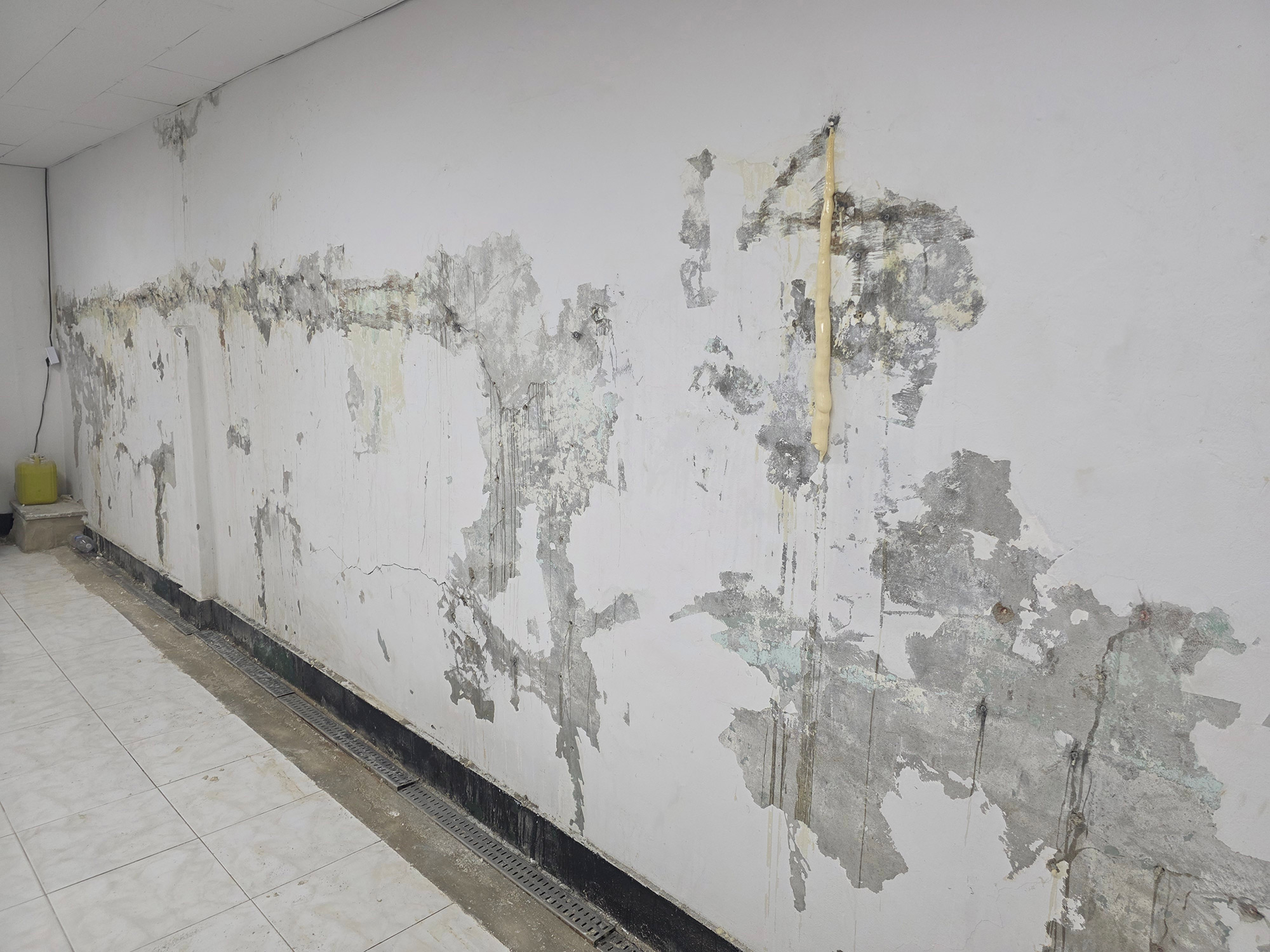
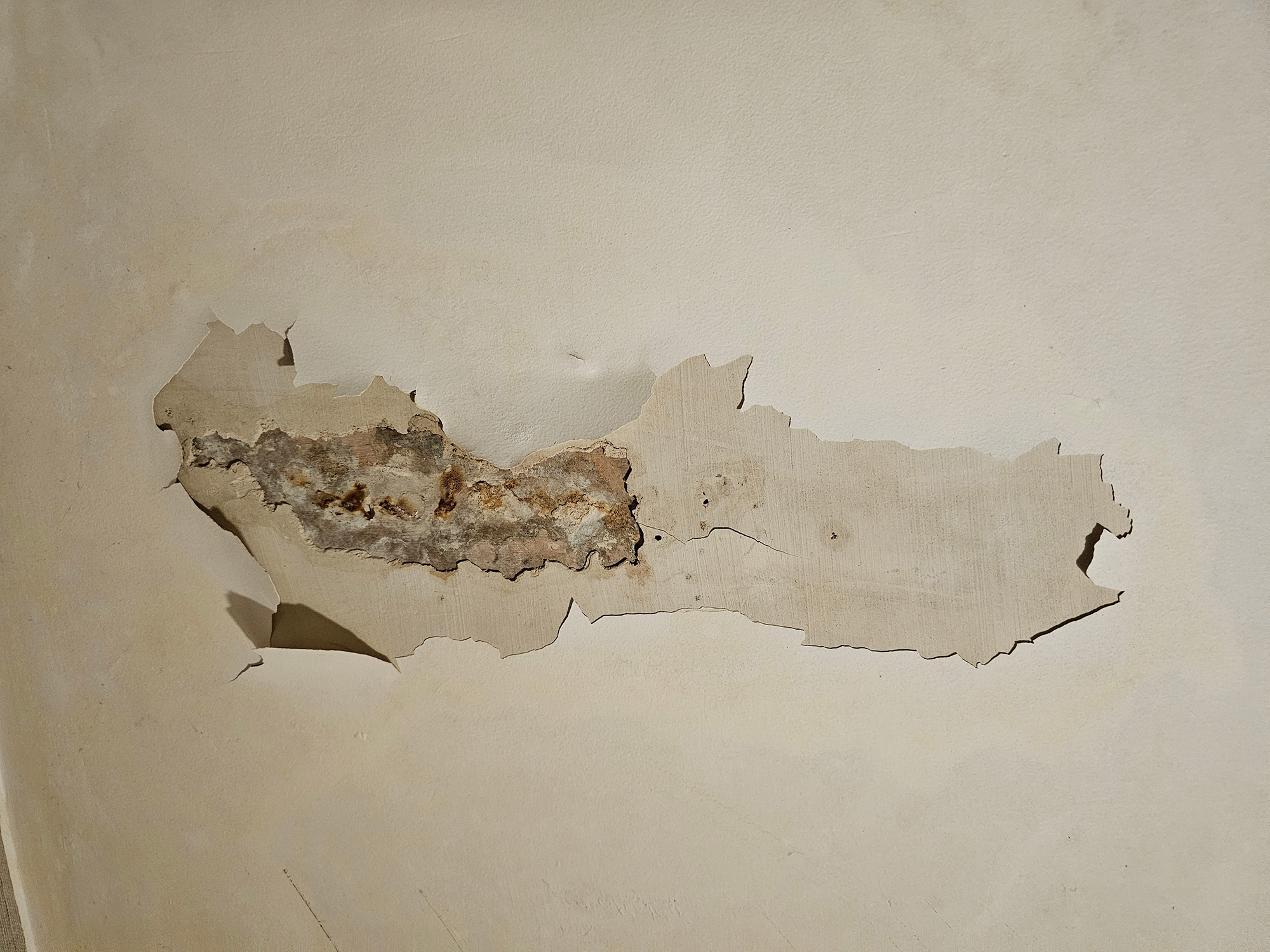
Water-induced cracks are often accompanied by peeling paint or damp patches. Efflorescence may also be visible on the surface. These signs clearly indicate moisture intrusion within the wall system.
Root Cause
Water ingress through external surfaces is a common cause. Failed waterproofing systems further allow moisture penetration. Capillary action may draw water upward from the ground, weakening structural integrity.
Correct Repair Method
The moisture source must first be identified and eliminated. Without addressing the root cause, any crack repair will be temporary. After eliminating moisture, the crack should be repaired using an appropriate crack wall filler or repair mortar. A complete waterproofing system should then be applied.
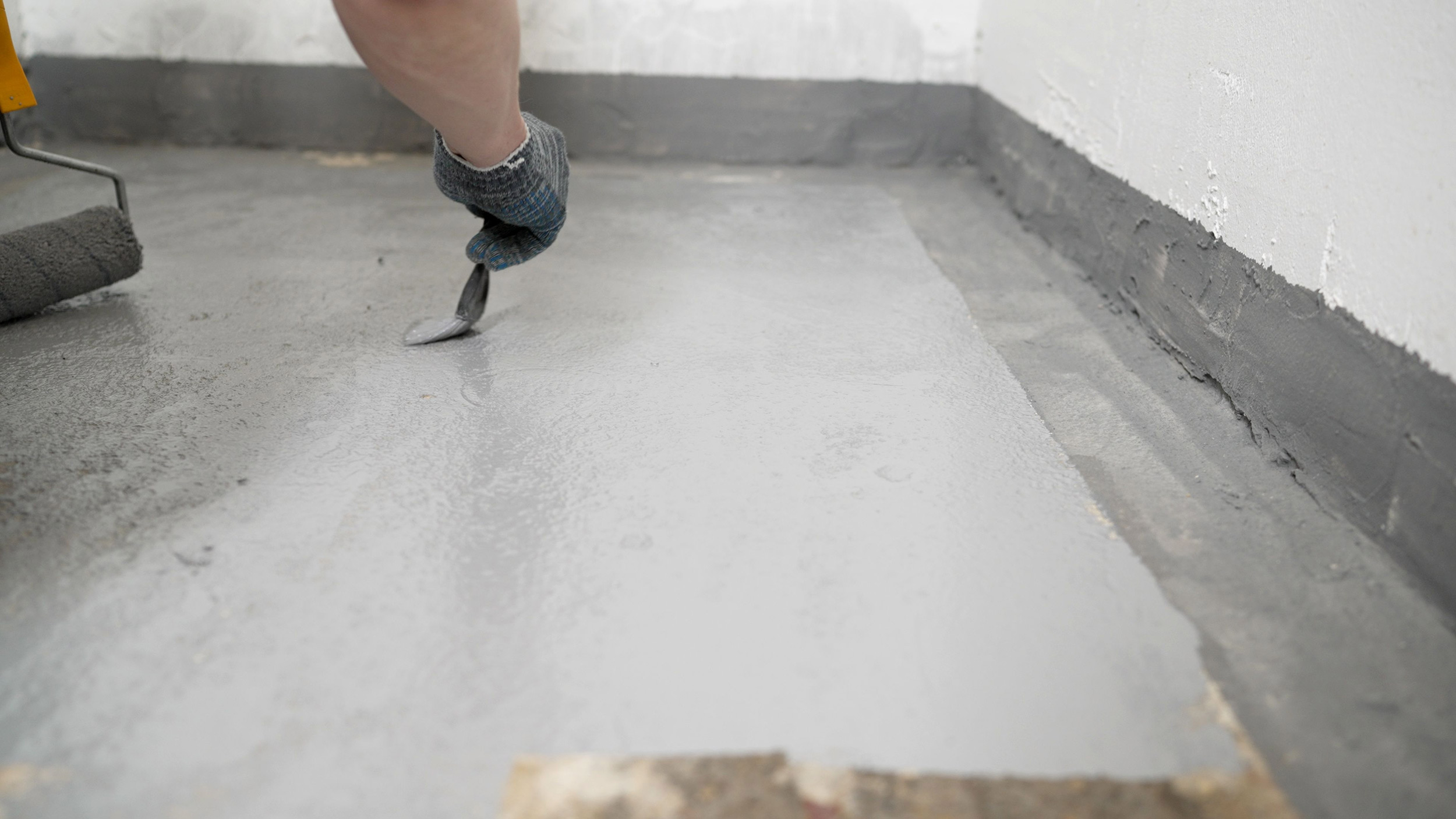
Ardex Endura offers comprehensive waterproofing systems that protect structures against future seepage. Using a compatible sealant for cracks alongside waterproof membranes ensures effective protection.
Preventing Future Wall Cracks
Proper Curing Practices
Correct curing strengthens concrete and plaster surfaces. Adequate moisture retention during curing minimises shrinkage-related cracks. Builders should always follow recommended curing procedures to reduce the risk of cracking.
Use Of Integral Waterproofing Additives
Incorporating integral waterproofing additives enhances resistance to moisture penetration. Such additives improve durability and reduce the risk of long-term deterioration. Ardex Endura elevates comprehensive building protection through advanced waterproofing solutions.
Good Drainage Around Property
Proper drainage prevents water accumulation near foundations. Managing surface water flow reduces soil pressure and structural stress. This simple measure significantly reduces the likelihood of crack development.
Regular Maintenance Inspections
Routine inspections allow early identification of smaller and minor cracks. Timely crack repair prevents minor issues from evolving into major structural blemishes. Proactive maintenance is crucial for maintaining long-term durability.
Final Thoughts
Not all wall cracks are dangerous! However, overlooking and ignoring them can lead to serious complications. Correct assessment and diagnosis remain the most critical step before finalising any crack repair. Selecting high-quality materials ensures that repairs last and perform effectively.
Ardex Endura provides integrated concrete repair and waterproofing systems designed for durability. Combining repair mortars, sealant for cracks and protective membranes ensures comprehensive structural protection.