Best Marble Floor Cleaners That Protect Your Surface Without Causing Damage
 ARDEX ENDURA
 16 Mar 2026
 06 Min
Marble has an elegant charm but is incredibly sensitive to its surroundings. Common issues like surface dullness, etching, and deep staining often ruin its beauty. Many people do not realise that standard cleaners are unsafe for natural stone. That is why using pH-balanced, non-acidic solutions is vital for your home.
This guide helps you choose a safe marble cleaner to keep your floors pristine.
Why Marble Requires Special Cleaning Care
Marble Is a Natural Calcium-Based Stone
Marble is composed primarily of calcium carbonate, which makes it very chemically reactive. Since it is a carbonate, it reacts immediately upon contact with acidic substances. This reaction causes etching, which looks like dull spots or physical surface damage.
Common Problems Caused by Wrong Cleaners
Using the wrong marble floor cleaner results in immediate surface dullness and visible etch marks. You might notice permanent discolouration that ruins the stone's natural colour. Over time, harsh chemicals cause a total loss of the original factory polish.
Why Regular Household Cleaners Can Damage Marble
Acidic Cleaners (Vinegar, Lemon, Bathroom Cleaners)
Vinegar and lemon cause a harsh chemical reaction with the stone's calcium carbonate. This process leads to surface erosion that eats away at the marble. Most standard bathroom cleaners are far too aggressive for such a delicate material.
Abrasive Cleaners & Scrub Pads
Scouring powders and rough pads create micro-scratches on the smooth stone surface. These tiny scratches trap dirt, making the floor look permanently cloudy. You will lose the reflective shine that makes marble so attractive.
Bleach & Harsh Chemicals
Bleach is too alkaline and leads to long-term weakening of the stone surface. It can strip protective sealants, leaving the marble vulnerable to damage and degrade its structural integrity.
What Makes a Marble Floor Cleaner Safe and Effective?
pH-Neutral Formula
An ideal cleaner must use a pH-neutral formula to prevent chemical reactions. It makes them perfectly safe for regular maintenance, with no risk of etching. This balance ensures your floor stays clean without any structural or visual damage.
Non-Abrasive Composition
A safe marble stone cleaner relies on gentle care rather than physical scrubbing to remove dirt. It preserves the polish and keeps the surface as smooth as possible. You won't have to worry about scratching the delicate face of the stone.
Residue-Free Finish
A quality marble floor cleaner leaves no sticky film behind after the floor dries. It prevents dirt accumulation as there is no residue to trap dust. Your floors will feel clean and look naturally bright after every wash.
Compatible with Sealed & Polished Marble
For natural stone surfaces, it is advisable to use dedicated stone care solutions. These are designed specifically for delicate materials like polished marble or limestone. Using compatible products ensures that your expensive stone remains protected and beautiful.
Types of Marble Cleaners and When to Use Them
Daily Maintenance Cleaners
These are for light dirt removal and are safe for frequent use. We recommend using a dedicated product, such as Ardex Endura's Marble & Stone Cleaner, for the best results.
Deep Cleaning Solutions
A deep marble stone cleaner is meant for stubborn stains that regular mopping cannot lift. You should only use these occasionally when the floor needs extra attention. They penetrate deeper into pores to safely lift out embedded grime.
Stain Removers for Marble
Specific removers exist for oil-based, organic, or even stubborn rust stains. These products target the stain's foundation without harming the stone. Always match the remover to the type of stain you are treating.
Step-by-Step Guide to Cleaning Marble Floors Safely
Step 1 – Dry Dust Removal
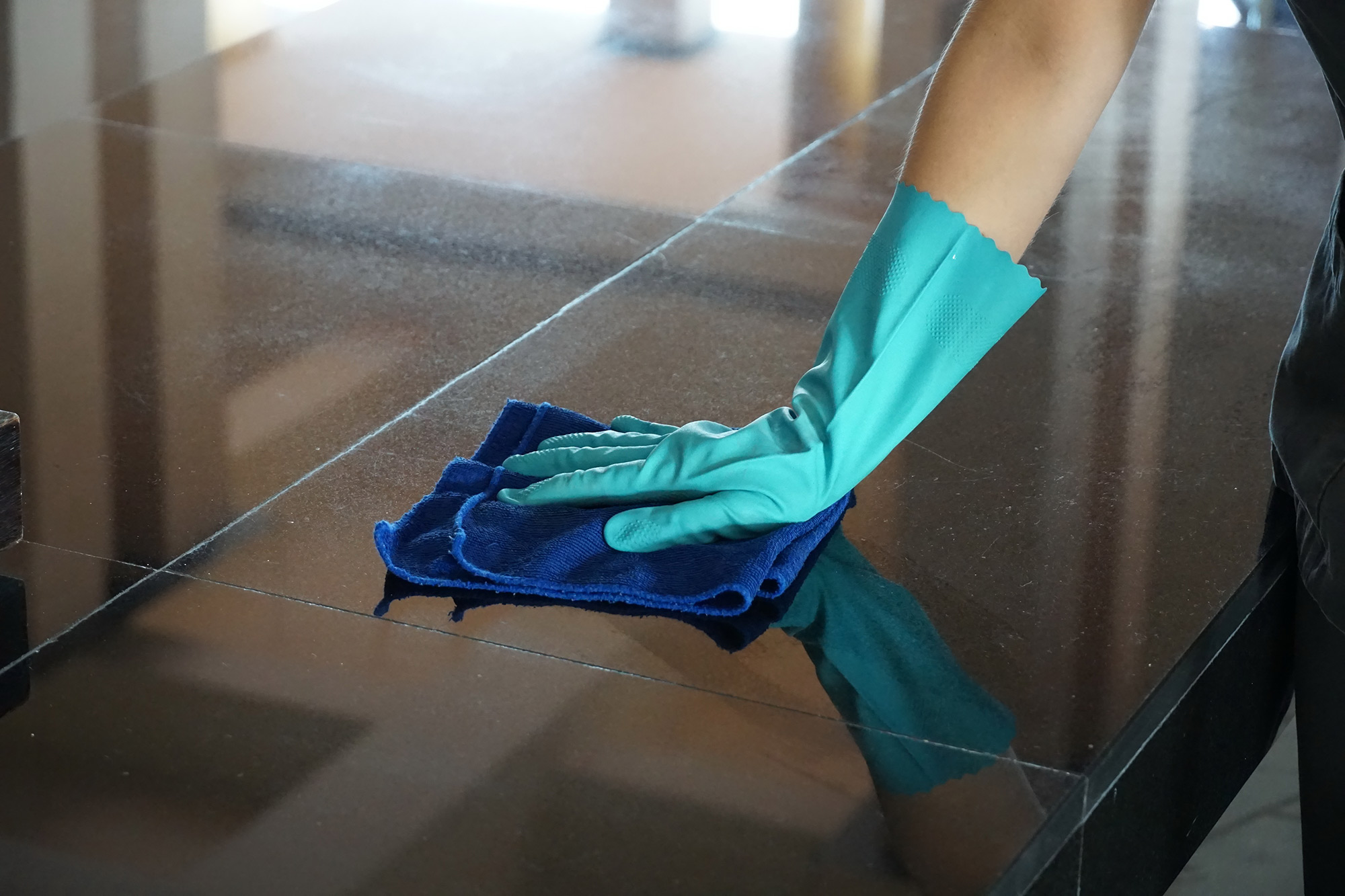
Use a soft microfiber mop to remove loose dust and grit. It prevents sand abrasion on the surface when you start the wet cleaning process later. Avoid using vacuum cleaners with beater bars, as they may chip the stone.
Step 2 – Dilute the Cleaner Correctly
It's recommended to follow the manufacturer’s instructions when mixing your concentrated marble cleaner with water. Putting harsh chemicals directly on the floor may leave streaks. Use lukewarm water to help the cleaner dissolve dirt more efficiently.
Step 3 – Gentle Mopping
Mop the floor using a soft microfiber cloth or a well-wrung string mop. Ensure there is no excessive water left standing on the marble surface. Don't soak the stone, as it can lead to moisture seeping into joints and causing issues.
Step 4 – Dry Buffing
Using a clean, dry cloth to buff the surface prevents water spots and maintains the stone's high-gloss shine. Drying the floor manually also removes any remaining streaks.
Mistakes to Avoid When Cleaning Marble Floors
- Never use vinegar or lemon, as these acids will instantly damage the stone.
- Do not skip regular dusting, as trapped grit causes fine scratches every day.
- Allowing spills to sit can lead to deep stains that are hard to remove.
- Avoid overuse of water, which can seep into joints and cause problems.
How to Maintain Long-Term Shine and Protection
Sealing Marble Periodically
Sealing is essential as it fills the pores and prevents liquids from soaking in. A good sealer buys you time to wipe up spills before they stain. It acts as a primary defence for your stone investment.
Using Compatible Cleaning Systems
Stick to stone-specific products to protect the grout and the floor's finish. Using a consistent, compatible solution prevents unexpected reactions between different types of cleaning chemicals.
Routine Maintenance Schedule
Dust your floors daily to prevent grit from building up and scratching. Perform a wet mop weekly with a pH-neutral marble stone cleaner for hygiene. Every quarter, inspect the surface to see if a deep clean is required.
How to Choose the Right Marble Cleaner for Your Space
Residential spaces usually need a gentle marble floor cleaner for food spills and foot traffic. Commercial areas with high traffic require more durable, heavy-duty stone care solutions.
Indoor marble usually requires gentler care compared to outdoor stone exposed to the elements. Finally, identify if your marble is polished, which shows scratches easily, or honed, which is more porous.
Final Thoughts
Marble needs gentle care and the right products to maintain its stunning appearance. Using the wrong cleaners can cause irreversible damage that is very expensive to fix. Long-term beauty results from consistent, proper maintenance with a pH-neutral marble cleaner.