Tile Spacers Explained: The Secret to Impeccably Aligned Tiles and Stone Surfaces
 ARDEX ENDURA
 13 Mar 2026
 06 Min
Whether you are fitting a new bathroom wall or revamping your kitchen floor, achieving beautifully aligned tiles is about longevity. Tile spacers are one of those tools that make a huge difference in how your tiles or natural stone surfaces perform.
By keeping gaps even, tile spacers help create clean finishes and prevent issues like uneven joints and lippage that can weaken the surface.
At Ardex Endura, we offer complete installation systems, including adhesives and grouts, that work in harmony with wall and floor tile spacers, guaranteeing both beauty and longevity.
What Are Tile Spacers and Why Are They Important?
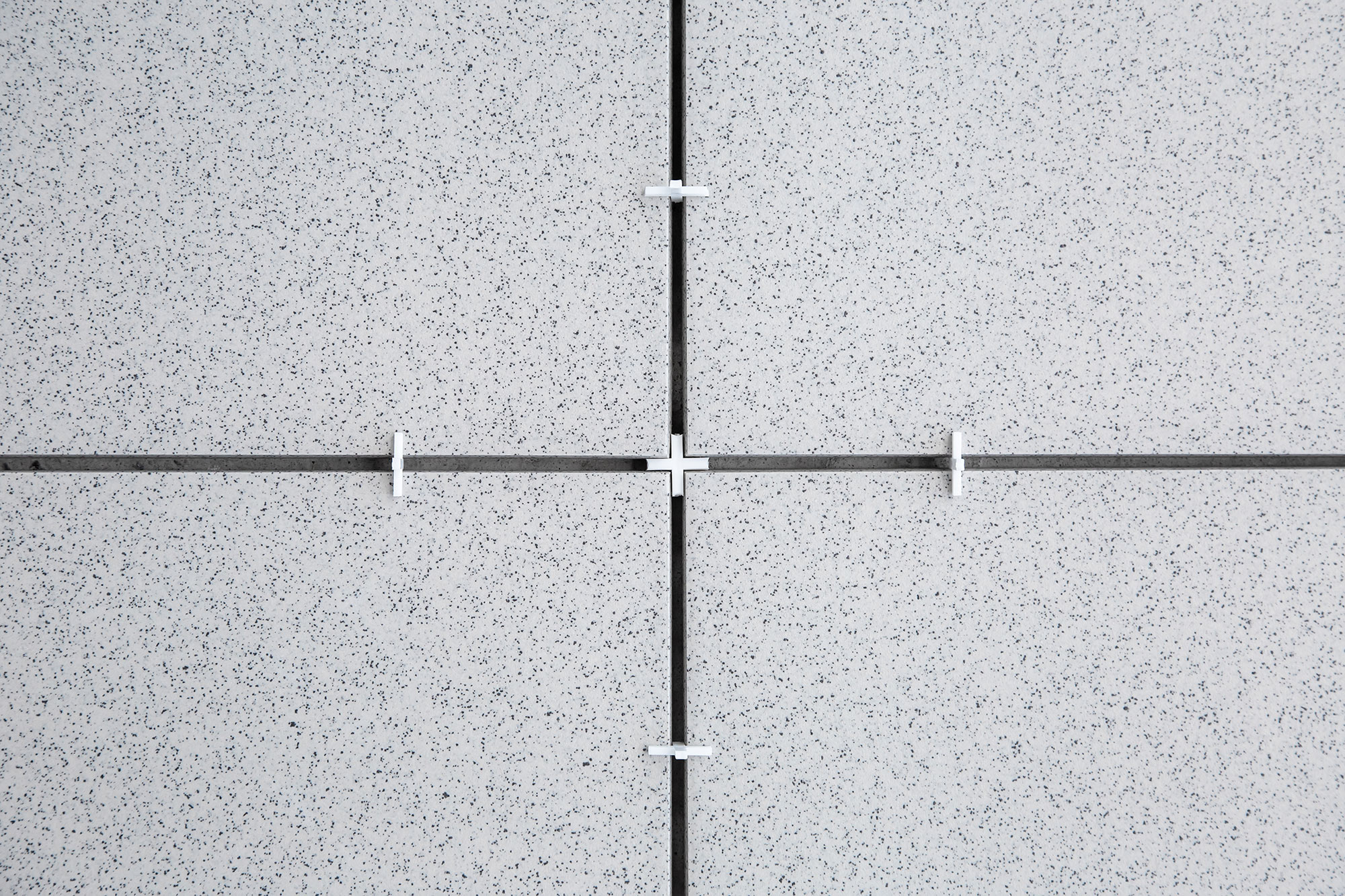
A tile spacer is a small tool used to insert a gap between tiles. Its job is to maintain a consistent joint width so every row and column of tiles looks uniform.
Spacers come in different materials, typically plastic, reusable clips and even wedge shapes for tricky layouts. Their purpose is always the same - to hold tiles at a set distance until the adhesive sets.
This consistent spacing directly impacts the performance of your grout. It ensures more resilient finishes that prevent weak spots, potential tile cracking and moisture penetration.
Key Benefits of Using Tile Spacers
1. Perfect Alignment & Professional Finish
Using spacers means straight, even grout lines every time. Whether you are using floor tile spacers for a large area or smaller wall tile spacers for a splashback, they stop tiles drifting off-line as you work. The result is a finish that looks much more polished.
2. Uniform Grout Joints for Structural Strength
Even joint width is essential for a strong, durable tile installation as it allows grout to distribute evenly, reducing stress on tile edges and improving performance over time.
Combining consistent spacing with a reliable Tile Joint Grout enhances results. Solutions like Cement Polymer Grout offer dependable durability for everyday applications, while Epoxy Grout is ideal for applications that require chemical and moisture resistance.
3. Prevents Tile Lippage
Lippage refers to one edge of a tile being higher than an adjacent tile. This can be a tripping hazard and looks unsightly. Floor tile spacers help keep tile faces level right across the whole surface, which is especially critical for large-format tiles.
Paired with a quality Tile & Stone Adhesive, tile spacers help maintain level tiles, ensure strong bonding, and provide a smooth, safe surface.
4. Improves Long-Term Durability
Using wall tile spacers or floor spacers significantly contributes to durability. They reduce the risk of cracking and minimise damage to tile edges. Proper spacing ensures the grout cures correctly, forming a strong, protective barrier.
Types of Tile Spacers
Cross Spacers
Cross-shaped spacers have four equal arms. They are best for straight, grid-style layouts that require uniform spacing in all directions.
T-Shaped Spacers
T-shaped spacers have three arms. They are ideal for staggered or brick patterns where tiles do not meet at all four corners.
Wedge Spacers
Wedge spacers taper at one end. These are perfect for uneven surfaces and wall tiles as they allow small spacing adjustments during installation.
Levelling Spacer Systems
These include clip-and-wedge or cap-based systems. Best for large-format tiles, helping keep tile surfaces level and reducing lippage.
How to Choose the Right Tile Spacer Size?
- Large Format Tiles - These generally need at least a 3 mm spacer to manage their weight and slight irregularities in the tile edges.
- Outdoor Tiles - These require a wider spacing of around 5 mm to allow for natural thermal expansion and contraction.
- Natural Stone - These surfaces often require customised spacing to accommodate unique, organic shapes.
Note that using wider spacers creates larger joints, which are best supported with Wide Joint Grout. This combination enhances the structural integrity and creates a clean look that withstands heavy foot traffic.
Step-by-Step Guide to Using Tile Spacers Correctly
Step 1 – Prepare the Surface
A successful tiling project starts with proper preparation. Ensure your substrate is clean, dry and level. Any bumps or debris create gaps that will compromise your final result.
Step 2 – Apply Tile Adhesive Evenly
Use a notched trowel to spread tile adhesive evenly over the surface, ensuring it covers the entire area. Even coverage is important because it helps the tiles sit firmly in place and creates a strong, long-lasting bond.
Step 3 – Insert Spacers Between Tiles
As you lay each tile, insert the tile spacers at the corners. Do not push them into the adhesive too deeply, and ensure consistent spacing around each tile to get uniform grout lines later.
Step 4 – Remove Spacers Before Grouting
Remove the spacers once the adhesive has partially set. This will help you avoid blocking grout and weakening the joints.
Step 5 – Apply Grout for Seamless Finish
Once the spacers are removed, fill the joints with tile joint grout. Clean off any excess grout for a smooth finish.
Common Mistakes to Avoid When Using Tile Spacers
Using Incorrect Spacer Size
Choosing the wrong spacer size can lead to uneven joints or poor movement accommodation, affecting both the look and durability of the surface.
Not Using Enough Spacers
Using too few spacers lets tiles move while the adhesive sets, leading to uneven gaps and a misaligned layout.
Leaving Spacers in the Joints
Not removing spacers before grouting can weaken joints, cause visible imperfections and prevent the grout from bonding properly.
Ignoring Substrate Levelling
If the substrate is not level, tiles can sit unevenly, causing lippage that spacers cannot correct and resulting in an uneven installation.
Why Spacers + Quality Adhesive + Proper Grout = Perfect Installation?
Tile spacers keep joints even and tiles perfectly aligned. Quality adhesives create a strong, lasting bond that prevents movement over time. Proper grouts lock everything in place, adding strength, moisture resistance and a clean, finished look.
When spacers, adhesive and grout are used correctly, they create a surface that is not only visually appealing but also built to last.
Final Thoughts
Tile spacers may be small, but their role in tile installation is critical. Beyond keeping tiles straight, they allow the adhesive and grout to work as intended. This adds strength and improves long-term durability. By maintaining consistent alignment, spacers also reduce the risk of lippage and uneven wear over time.
From high-performance tile adhesives to specialised grouts, Ardex Endura installation systems work in harmony with your spacers to deliver a flawless, lasting finish.