Dampness, Seepage, and Leakage: What They Mean and How They Differ
 ARDEX ENDURA
 16 Mar 2026
 05 Min
Dampness, seepage and leakage are often used interchangeably, but they refer to distinct moisture problems that affect buildings in different ways. Recognising the issue you are dealing with is essential to choosing the right waterproofing solutions and preventing further damage.
A clear understanding of these differences helps homeowners and builders act quickly and, in turn, choose effective long-term protection solutions.
What Is Dampness?
Dampness refers to the presence of low-level moisture in walls or floors. This is usually surface-related and gradually absorbed over time, unlike severe water issues, which develop slowly. It often goes unnoticed until signs become visible. This is why proper checks and identification are essential to prevent any further damage.
Common Causes of Dampness
Dampness can appear in buildings for several reasons:
- Poor ventilation that traps moisture inside
- Water rising from the ground into the walls
- Slight wall pores letting water seep in slowly
- Condensation caused by temperature changes
Signs of Dampness
Watch out for these indicators to detect dampness early:
- A persistent musty odour indoors.
- Light stains or discolouration on walls.
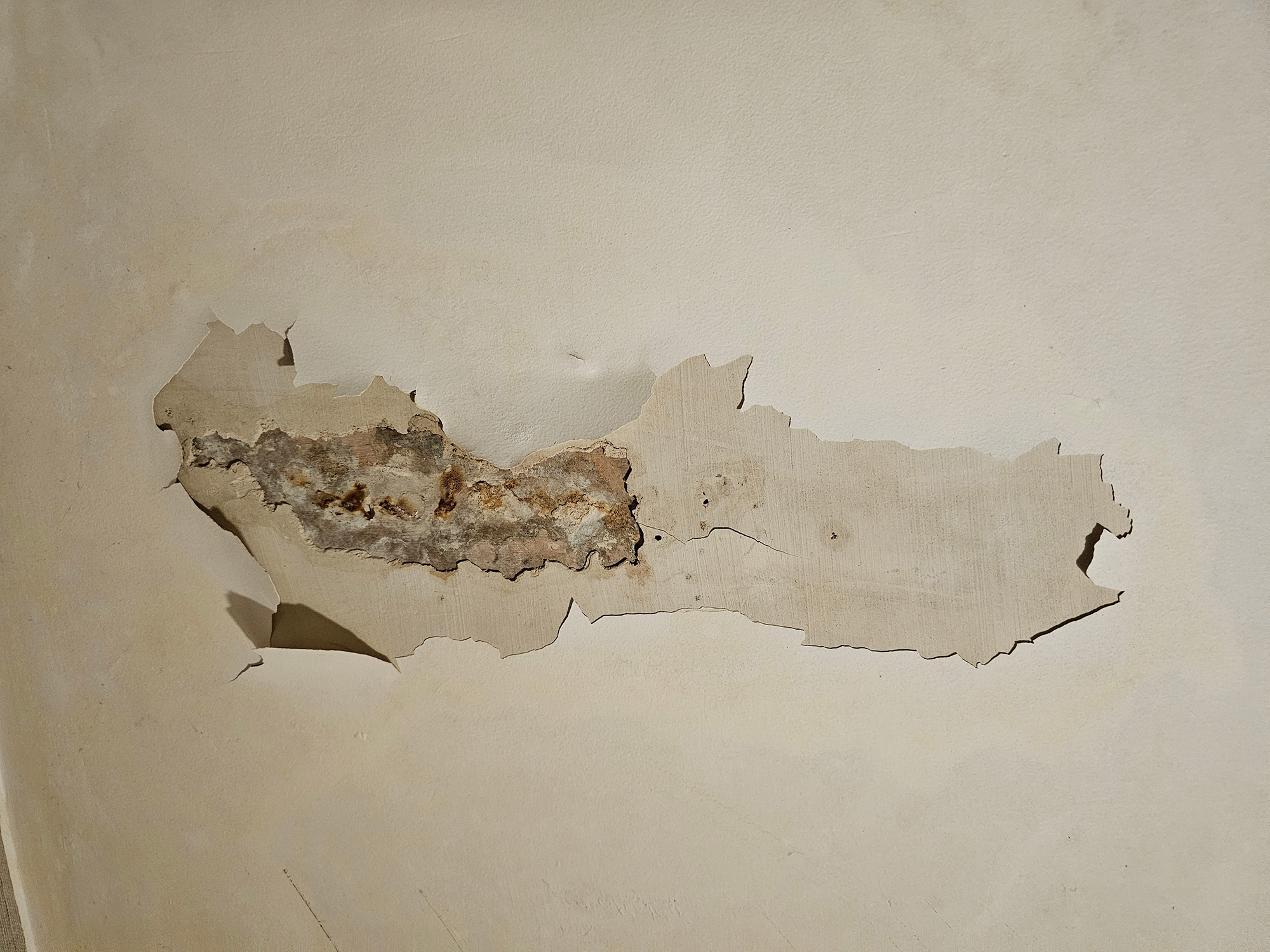
- Peeling or flaking paint.
- White salt deposits (efflorescence) on surfaces.
How Dampness Is Typically Treated
- Improve ventilation: Let air flow to reduce indoor dampness.
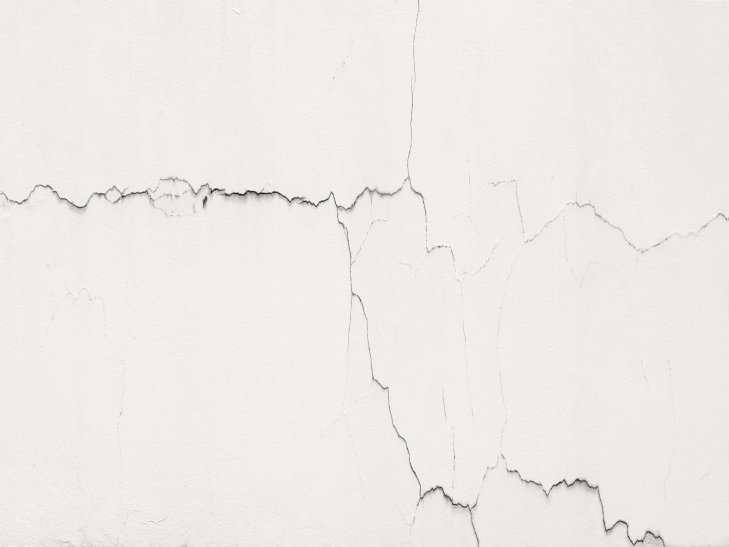
- Address minor cracks: Seal small cracks to stop water entry.
- Apply breathable, waterproof coatings: Protect walls while allowing moisture to escape.
- Use integral waterproofing in new construction: Add waterproofing additives such as E-160 to concrete or mortar to prevent water from entering.
What Is Seepage?
Unlike dampness, seepage involves the slow movement of water through walls, joints or floors. It usually occurs when waterproofing is insufficient or has deteriorated over time.
Cracks or minor structural gaps, especially in patio and bathroom areas, can also allow water to pass through. While it may begin subtly, seepage often indicates an underlying moisture issue that should be addressed promptly.
Common Causes of Seepage
- Cracks in exterior walls: Rainwater can slowly seep in.
- Failed terrace waterproofing systems: Old or damaged terrace layers let water in.
- Inadequate bathroom waterproofing: Poor seals cause water to leak from bathrooms.
- Poor drainage slope: Water flows toward the building instead of away.
Signs of Seepage
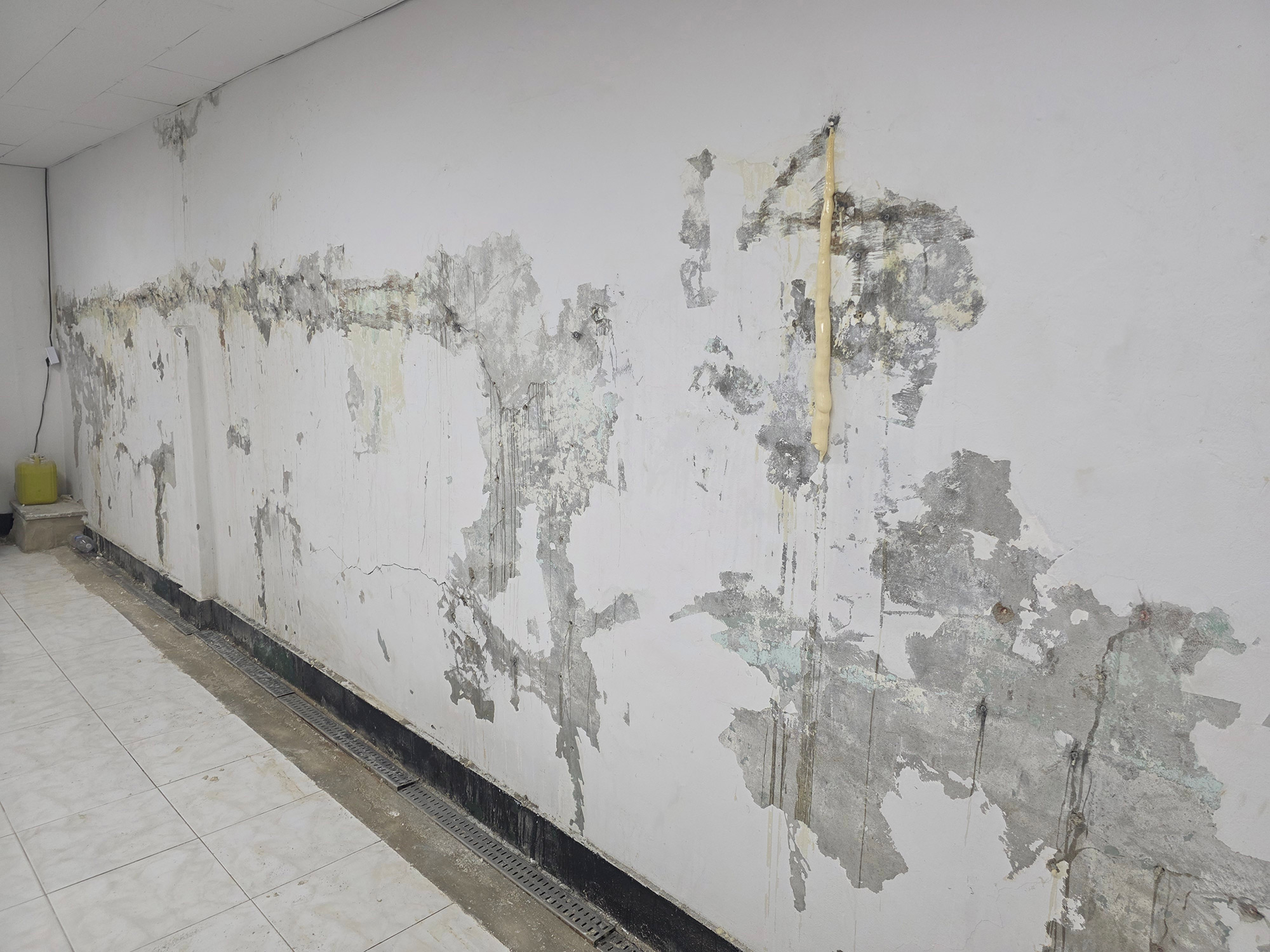
- Damp patches that keep expanding
- Paint bubbling or blistering
- Mould or fungal growth on walls
- Visible water trails or streak marks
How Seepage Is Addressed
- Identify source: Check the roof, bathroom, or balcony for water entry.
- Repair cracks and joints: Seal visible damage with proper materials.
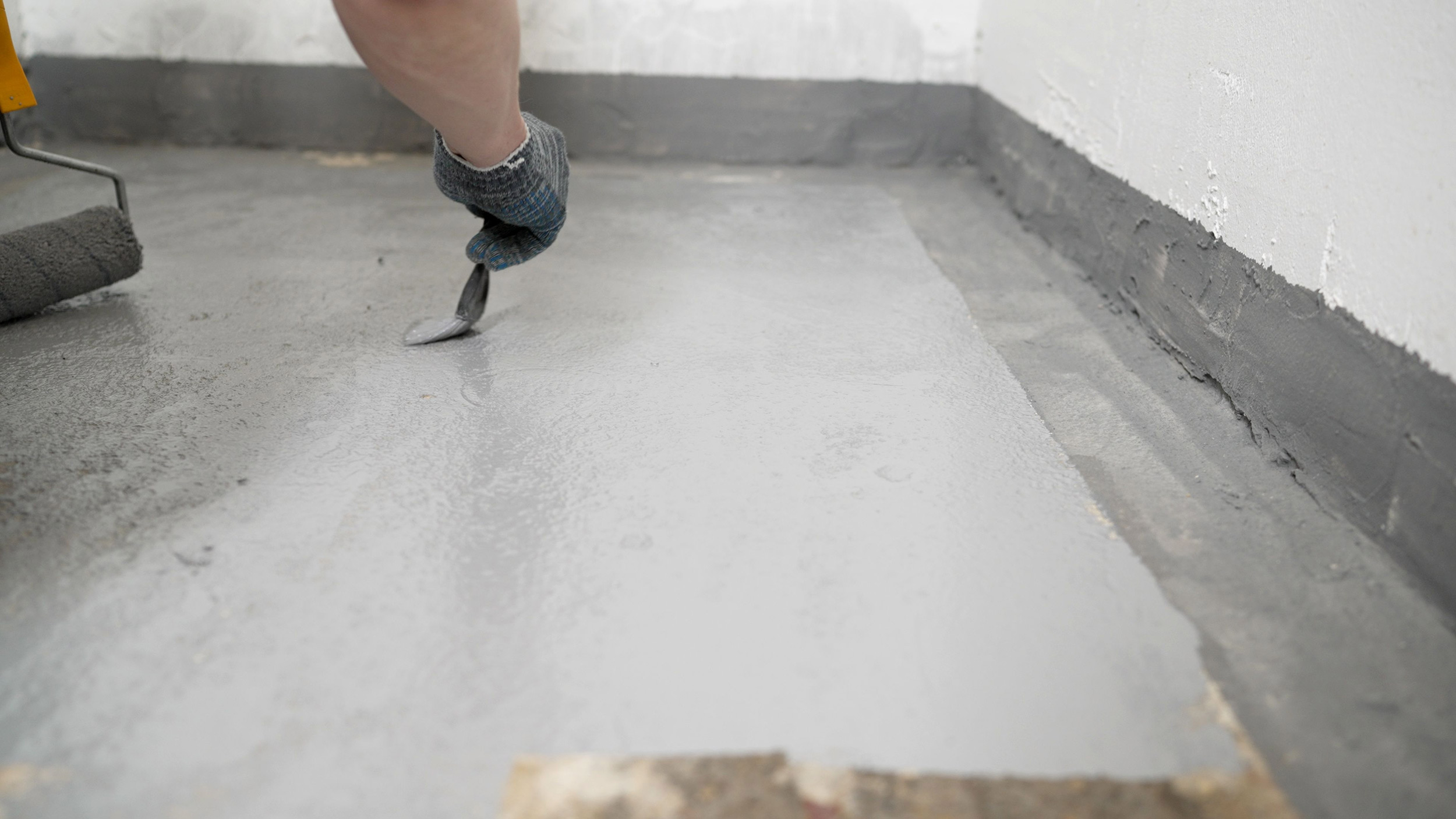
- Reapply waterproofing membranes: Restore continuous water protection.
- Reinforce corners and joints: Use tapes, swellable waterbars, and Butynol adhesive.
What Is Leakage?
Leakage involves the active flow or dripping of water, which makes it more serious and urgent. It often indicates a structural defect or a damaged plumbing system. Because of this, leakage requires immediate attention to prevent further property damage and potential health risks.
Common Causes of Leakage
- Broken or leaking plumbing lines: Cracked or corroded pipes release water continuously into surrounding areas.
- Damaged expansion joints: Worn or broken expansion joints fail to prevent water from entering structural gaps.
- Major structural cracks: Large cracks in slabs or walls allow significant amounts of water to pass through quickly.
- Improper pipe sealing or fittings: Loose or poorly sealed pipe connections result in active water leakage.
Signs of Leakage
- Water dripping
- Ceiling stains below the bathrooms
- Constantly wet surfaces
How Leakage Is Repaired
Stopping the water source immediately is the priority. Once done, structural damage is repaired and joints are sealed. The final step is applying a comprehensive waterproofing system to prevent recurrence.
Concrete repair systems from Ardex Endura can restore the integrity of damaged areas while providing long-lasting protection.
Key Differences Between Dampness, Seepage, and Leakage
|
Feature |
Dampness |
Seepage |
Leakage |
|
Severity |
Mild |
Moderate |
Severe |
|
Water Presence |
Moisture |
Slow penetration |
Active water flow |
|
Urgency |
Monitor & treat |
Needs repair |
Immediate action |
|
Typical Fix |
Ventilation & surface protection |
Waterproofing repair |
Structural + waterproofing repair |
Why Correct Diagnosis Matters
Identifying the right problem helps you avoid unnecessary repairs. This way, you can eliminate recurring moisture issues. Choosing the correct waterproofing solutions ensures long-term durability and structural safety. On the other hand, a wrong diagnosis can lead to ineffective fixes that waste both time and money.
Preventive Measures to Avoid Moisture Problems
1. Regular Roof and Terrace Checks
Keep a close check on your roof and terrace regularly for cracks, leaks or blocked drains, as fixing small issues early can help prevent seepage and more significant damage later.
2. Waterproofing Before Bathroom Tiling
Apply a good waterproofing membrane, such as Ardex Endura WPM 300, before laying tiles, as this helps protect walls and floors from water damage.
3. Seal Cracks Early
Even small cracks can let water in, so make sure to seal them promptly and use waterproofing products during repairs to avoid future moisture problems.
4. Proper Drainage System
Ensure drains and pipes are clear, so water flows away properly and does not collect around the building. Using Ardex Endura during construction or repairs helps protect against moisture, seepage, and leakage. This improves long-term durability extensively.
Final Thoughts
Early identification of these above-mentioned issues reduces costs. It also ensures effective remediation. Combining timely repairs with competent waterproofing solutions from Ardex Endura ensures long-term protection. With us, you can keep your building safe, durable, and well-maintained.