A Simple, Step-by-Step Guide to Effective Wall Waterproofing
 ARDEX ENDURA
 16 Mar 2026
 05 Min
Modern construction demands more than just aesthetic appeal; it requires long-term structural resilience. Wall waterproofing is a critical step that ensures your home remains safe and beautiful. Issues like damp patches, peeling paint and stubborn mould growth result from moisture seeping into the walls.
Preventing water ingress early saves you from expensive repairs later. Choosing the right system is as important as the application itself. At Ardex Endura, we prioritise precision in every step. Our waterproofing sheet for wall guarantees that your home stays dry and healthy.
Why Wall Waterproofing Is Essential
Prevents Dampness and Structural Damage
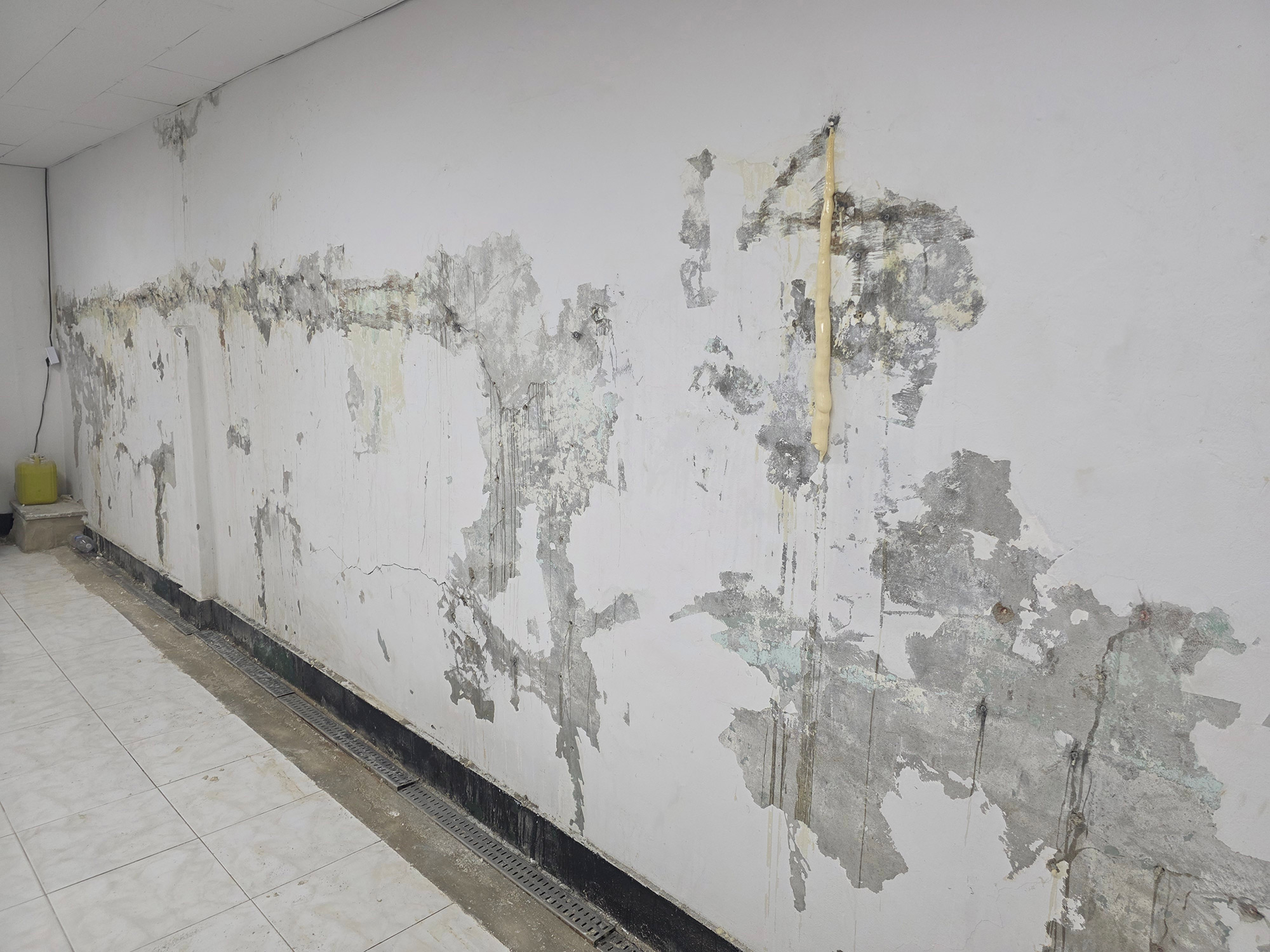
Water seepage is a silent threat to any building. It slowly weakens the plaster and the underlying concrete. Over time, moisture causes the metal reinforcements inside to rust. It leads to long-term structural deterioration that compromises safety. Professional waterproofing solutions act as shields against these hidden dangers.
Protects Interior Finishes
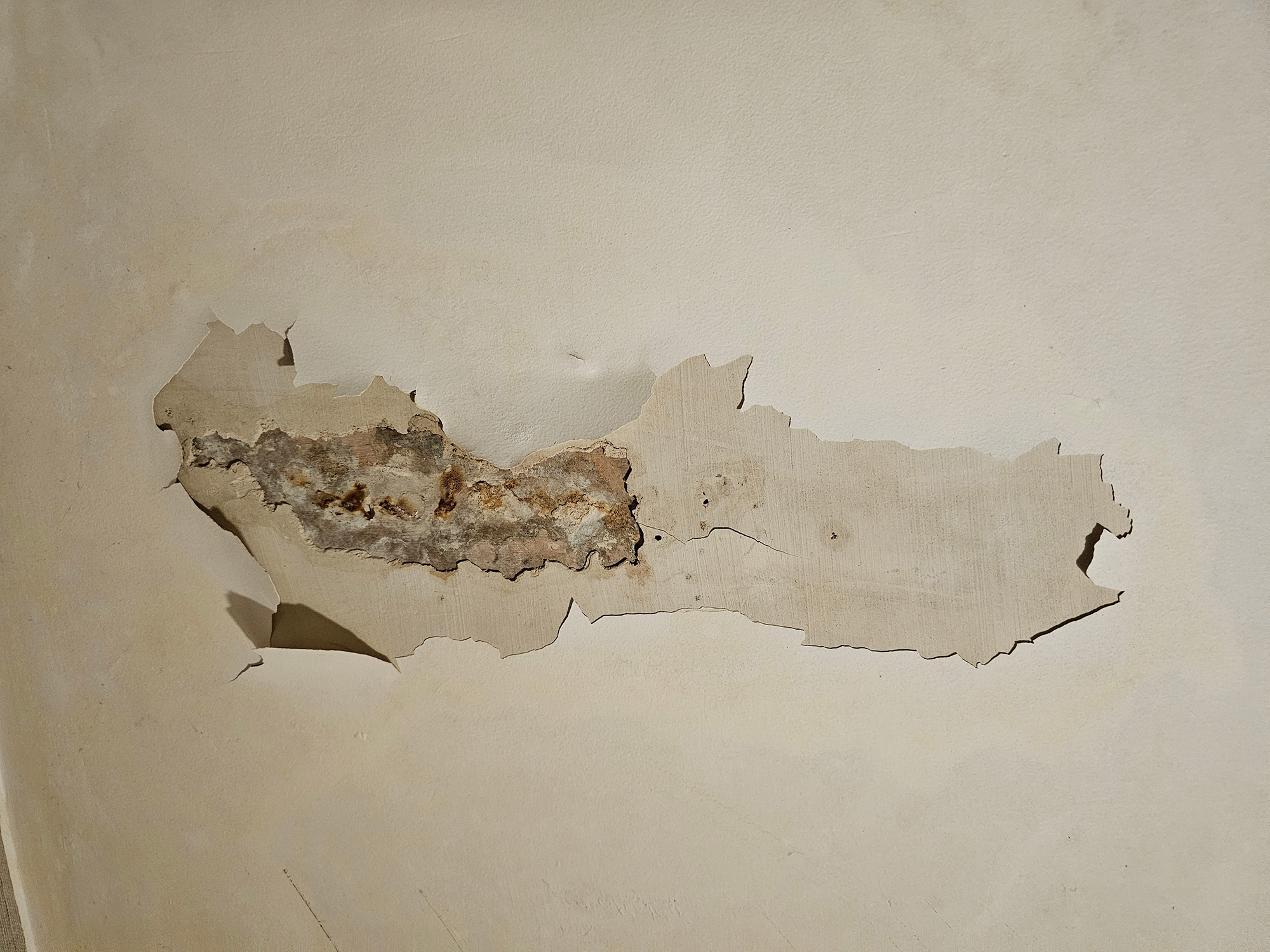
Nothing ruins a room faster than peeling paint or damp stains. Moisture often brings salts to the surface, creating white powdery deposits called efflorescence. Mould growth can lead to respiratory issues and allergies for your family. Waterproofing keeps your walls dry and your decorative finishes intact.
Improves Indoor Air Quality
A damp wall is a breeding ground for fungi and bacteria. By stopping moisture, you effectively reduce fungal growth within the home. It creates a healthier environment and better indoor air quality for everyone. It is a simple way to protect your family’s well-being.
Types of Wall Waterproofing Systems
1. Liquid-Applied Waterproofing Membranes
These options for waterproofing sheets for walls create a flexible, seamless coating that stretches without cracking. They are suitable for terraces, bathrooms, and balconies. You can explore our liquid waterproofing membranes for reliable results.
2. Cementitious Waterproof Coatings
These coatings are very popular for internal wet areas, such as kitchens. They are easy to apply and bond well with most masonry surfaces. They are highly compatible with subsequent tile installations due to their mineral-based composition. They provide a rigid but breathable barrier against water pressure.
3. Integral Waterproofing Additives
These waterproofing additives are mixed directly into the concrete or plaster during construction. They work by reducing the permeability of the entire material. This method ensures the structure itself is water-resistant from the start.
Step-by-Step Guide to Wall Waterproofing
Step 1 – Surface Inspection and Preparation
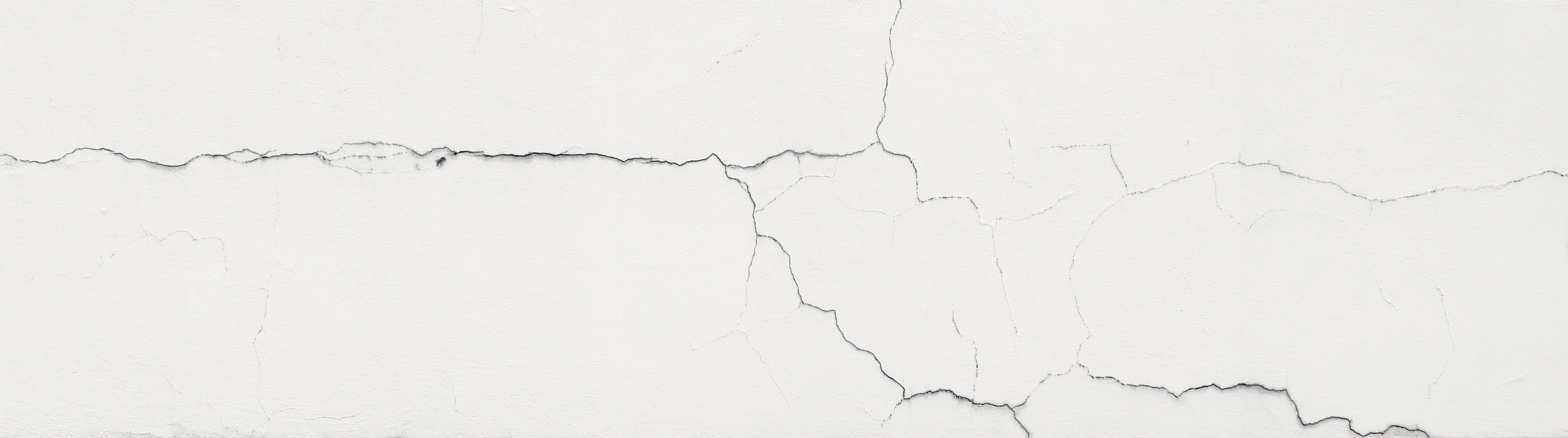
Start by checking the wall for cracks or weak, hollow plaster. Use a small hammer to tap and identify any loose sections. You must remove all loose particles from the surface. Clean away any dust, grease and old debris. Ensure you repair structural cracks before applying any product.
Step 2 – Surface Repair and Priming
Fill all remaining voids and small holes to create a smooth substrate. An even surface allows the wall waterproofing layer to settle properly. If your chosen system requires a primer, apply it at this stage. Priming improves the bond between the waterproofing sheet for wall and the surface.
Step 3 – Application of Waterproofing Coating
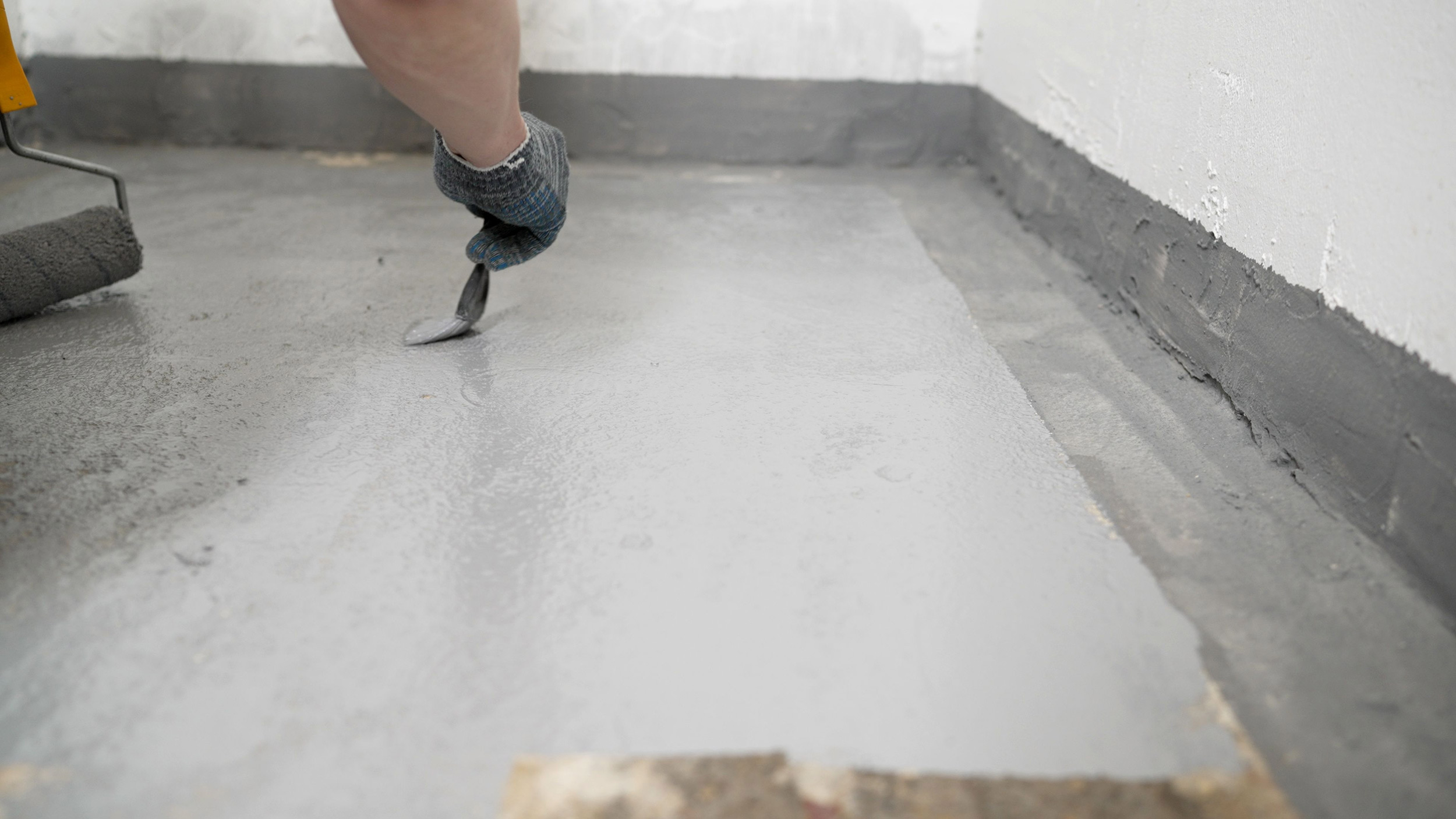
Use a roller or brush to apply the first coat. Make sure you maintain a uniform thickness throughout the entire wall. Allow sufficient drying time as specified by the product instructions. Afterwards, apply a second coat at a perpendicular angle to the first.
Step 4 – Reinforcement at Critical Areas
Corners and joints are the most common places where leaks start. Pipe penetrations also require extra attention during the application process. You should use waterproofing accessories and reinforcement tapes at movement joints and pipe penetrations to prevent leakage. You can find these specialised tools at Ardex Endura.
Step 5 – Curing and Protection
Since the coating needs time to gain its full strength, don't expose it to water or heavy dust during this period. Curing times vary depending on the product and the local weather conditions. Proper curing ensures the barrier reaches its full strength. Once completed, the wall is ready for tiling or final painting.
Common Wall Waterproofing Mistakes to Avoid
One of the most common mistakes is skipping surface preparation, which leads to the entire system failing prematurely. A coating applied to a dirty wall will not bond correctly to the substrate. Applying an uneven thickness is another mistake, which leaves weak spots for water to enter.
You must also ensure that all joints are sealed with precision. Failing to allow the required curing time often results in a soft, ineffective barrier. Finally, never mix incompatible products, as they can react and lose their properties.
How to Choose the Right Waterproofing System
Interior vs Exterior Walls
Exterior walls face harsh sun and heavy rain. They need UV-resistant and highly flexible systems. Interior walls usually require moisture-resistant cementitious coatings. The choice of material must match the expected level of exposure.
Wet Areas vs Exposed Surfaces
Bathrooms and laundry rooms need constant water protection. Terraces require systems that handle thermal expansion well. We recommend different membranes based on these functional needs. Matching the waterproofing sheet for wall to the area is vital.
New Construction vs Renovation
During new construction, integral additives provide a great foundation. Renovation projects often rely on liquid-applied surface membranes. We analyse the existing substrate before suggesting waterproofing solutions. Your starting point determines the best path forward.
Long-Term Maintenance Tips
Inspect your waterproofed walls annually for any signs of wear. If you notice minor cracks, repair them immediately to prevent water from entering. Avoid mechanical damage, such as drilling holes without properly sealing them afterwards.
Ensure that your external drainage systems are clear and working well. Keeping water away from the base of the wall extends the lifespan of waterproofing solutions.
Final Thoughts
Wall waterproofing should be seen as a preventive measure, not a corrective fix for future issues. Choosing the right system and applying it correctly are essential for a project's success.
Our team at Ardex Endura is here to help you achieve a flawless finish. Always invest in tested, performance-based systems to ensure your home remains durable and dry. It's recommended to refer to technical datasheets before starting any application for the best results.