Top Tips to Safeguard Your Home from Water Seepage and Moisture Damage
 ARDEX ENDURA
 13 Mar 2026
 06 Min
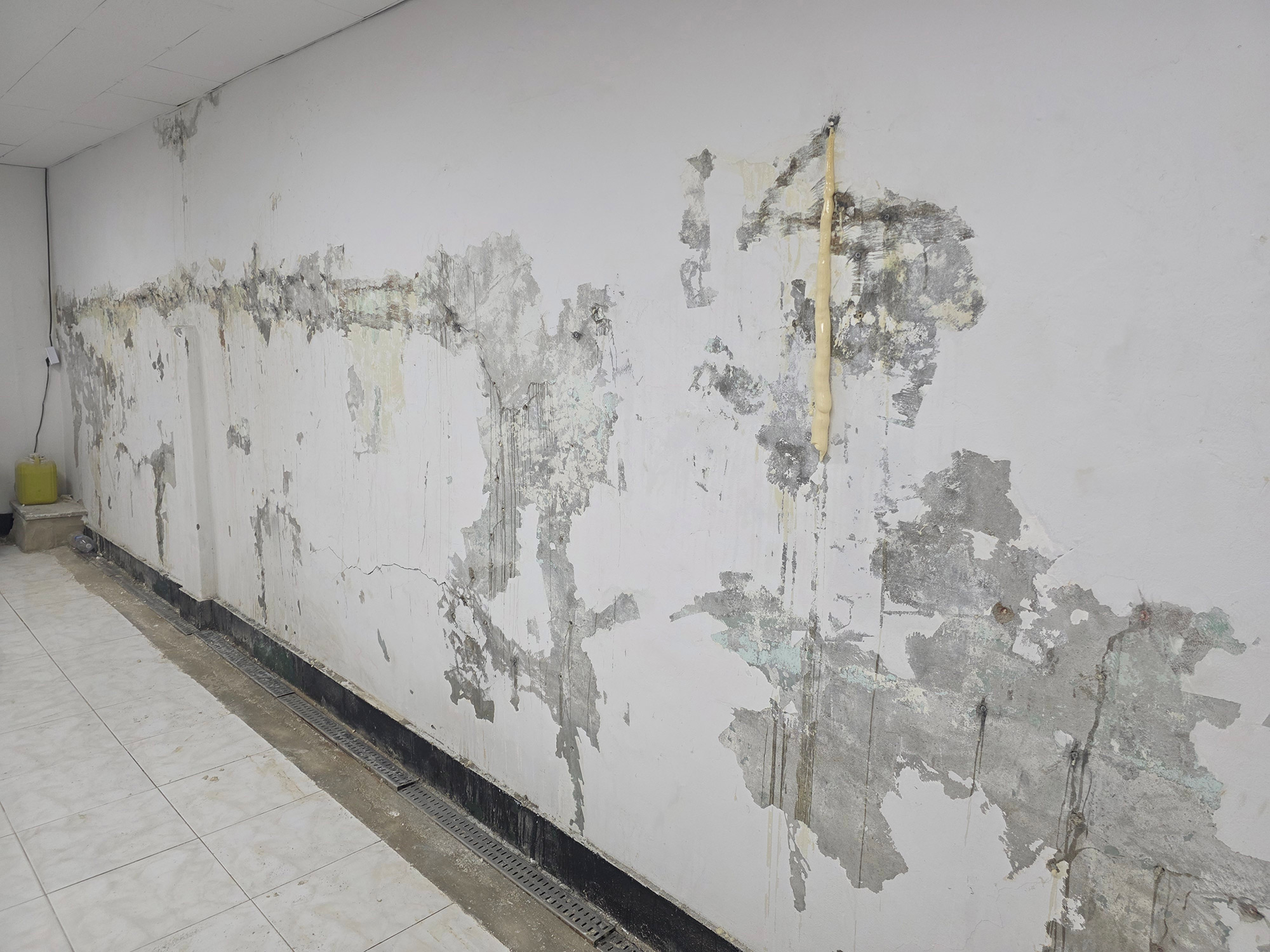
Water seepage is one of the most common and costly home problems you may face. Early signs, such as damp patches, peeling paint or a musty smell, are often ignored. You might also notice small cracks forming on your walls or ceilings. Moisture damage affects both the aesthetics of your rooms and the underlying structure.
Preventing these issues is far more affordable than paying for major repairs later. This guide covers practical waterproofing steps you can take to keep your home dry and safe.
Identify the Early Warning Signs of Moisture Damage
Damp Patches on Walls or Ceilings
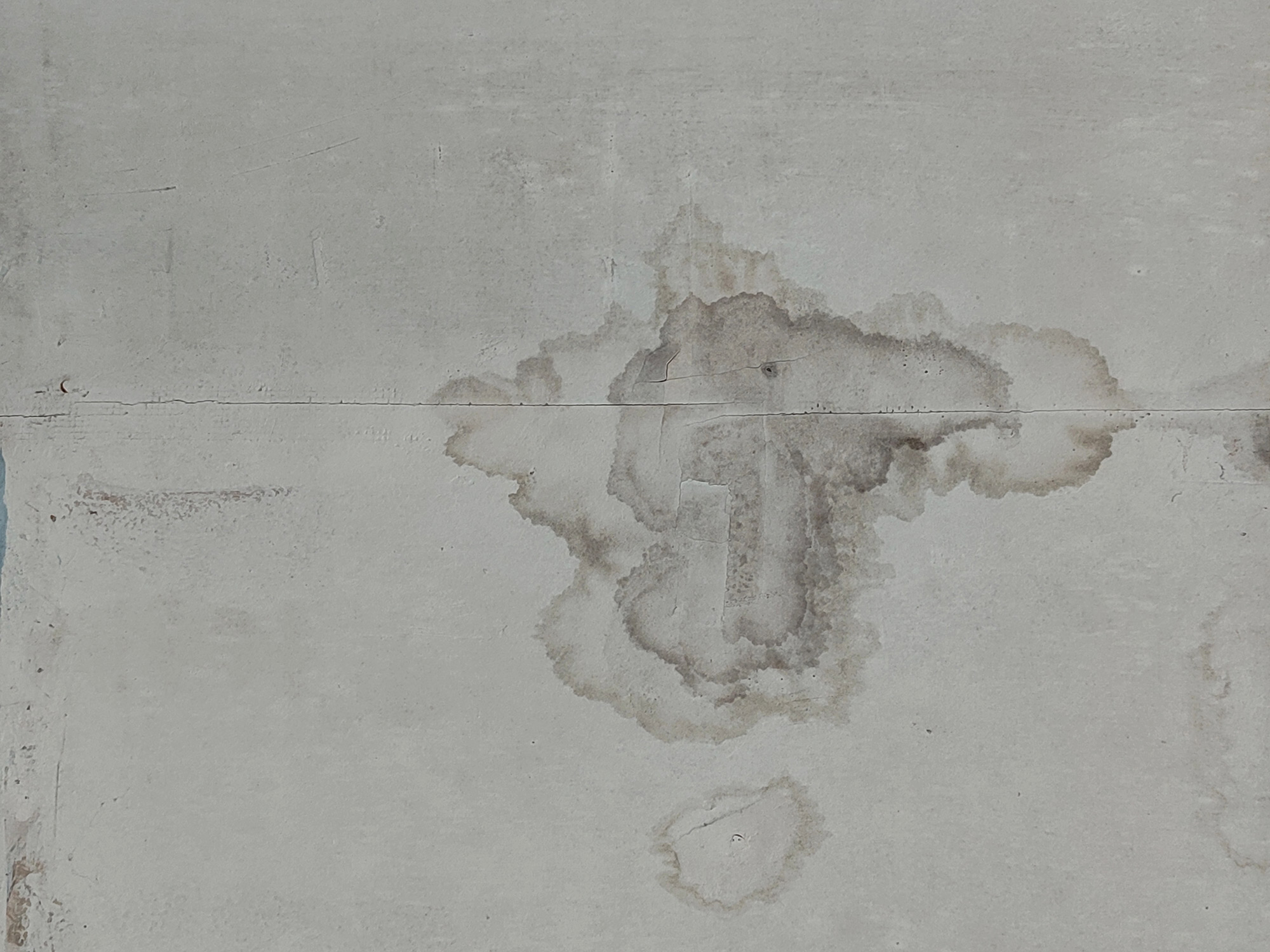
Dark, discoloured spots on your walls or ceilings are clear indicators of water ingress. These patches often feel cold or clammy when pressed. They typically appear after heavy rainfall or if a pipe is leaking behind the wall. Ignoring these spots allows the water to spread further into your masonry and structure.
Peeling Paint and Bubbling Plaster
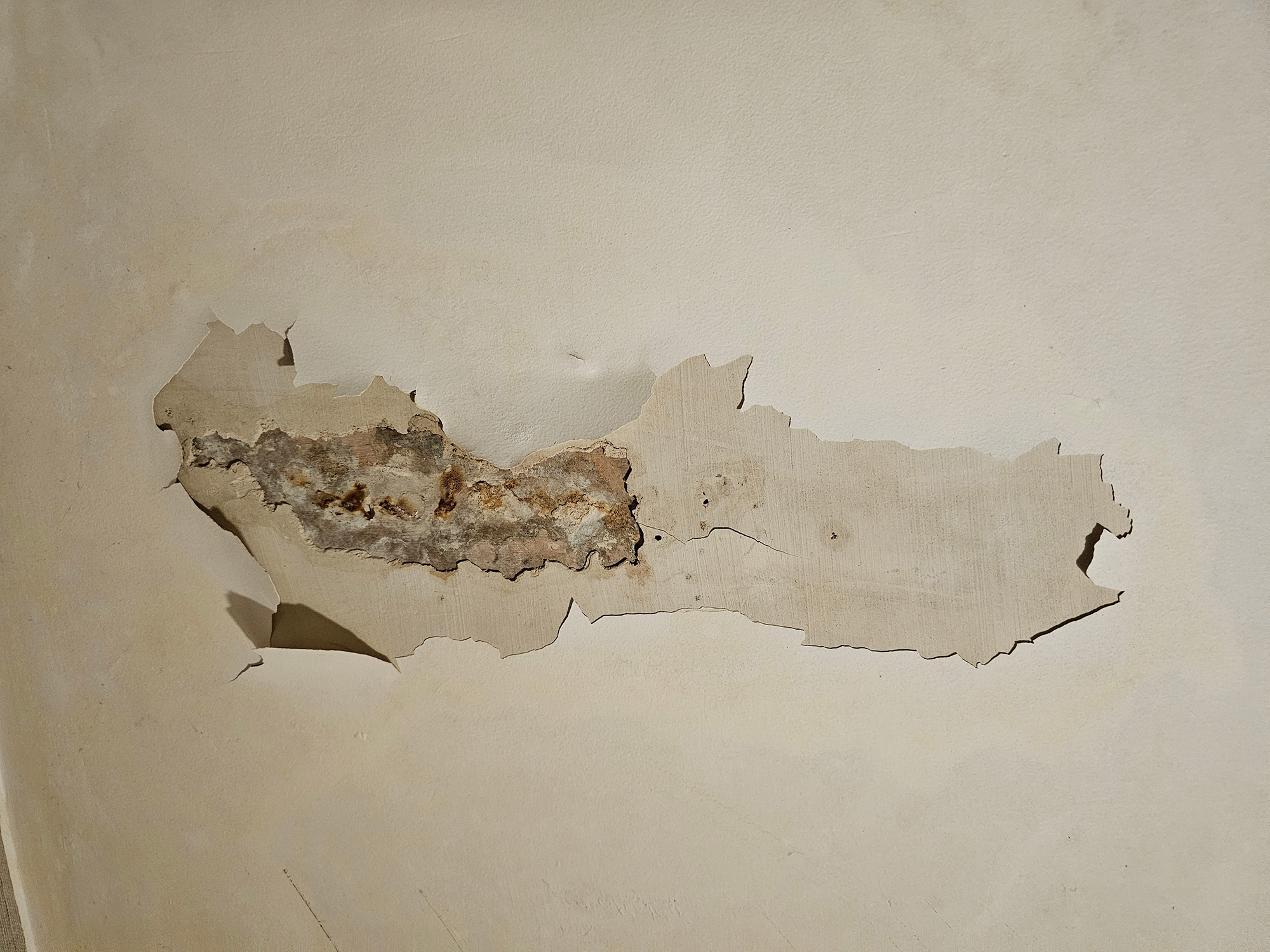
When moisture gets trapped behind paint, it loses its bond with the surface. You will notice the paint beginning to flake, peel, or form unsightly bubbles. Plaster may also start to crumble or feel soft when you apply slight pressure. It happens because water weakens the materials that hold your wall finishes in place.
Efflorescence (White Powdery Deposits)
You might see a white, powdery substance forming on your brickwork or plastered walls. This is called efflorescence, which occurs when water dissolves natural salts within the masonry. As the water evaporates, it leaves these salt deposits behind on the surface.
Mould Growth and Musty Odour
Persistent dampness often leads to the growth of dark mould or mildew in corners. You may also notice a stale, musty smell that does not go away with ventilation. These fungi thrive in wet environments and can damage your furniture and overall air quality. Addressing the source of moisture is the only way to stop mould from returning.
Protect Exterior Walls from Rainwater Penetration
Seal Cracks Immediately
Small hairline cracks may look harmless, but they allow rainwater to seep deep into the structure. Over time, these tiny openings expand, leading to significant structural dampness and internal leaks. You should use compatible crack-repair materials to fill these gaps before applying any waterproofing.
Apply Protective Waterproof Coatings
Exterior walls exposed to heavy rain require robust barrier systems to stay dry. Flexible, UV-resistant coatings perform much better outdoors because they can handle temperature changes without cracking. At Ardex Endura, our waterproofing range helps create a seamless protective layer on your walls.
Strengthen Wet Areas Like Bathrooms and Kitchens
Waterproof Before Tiling
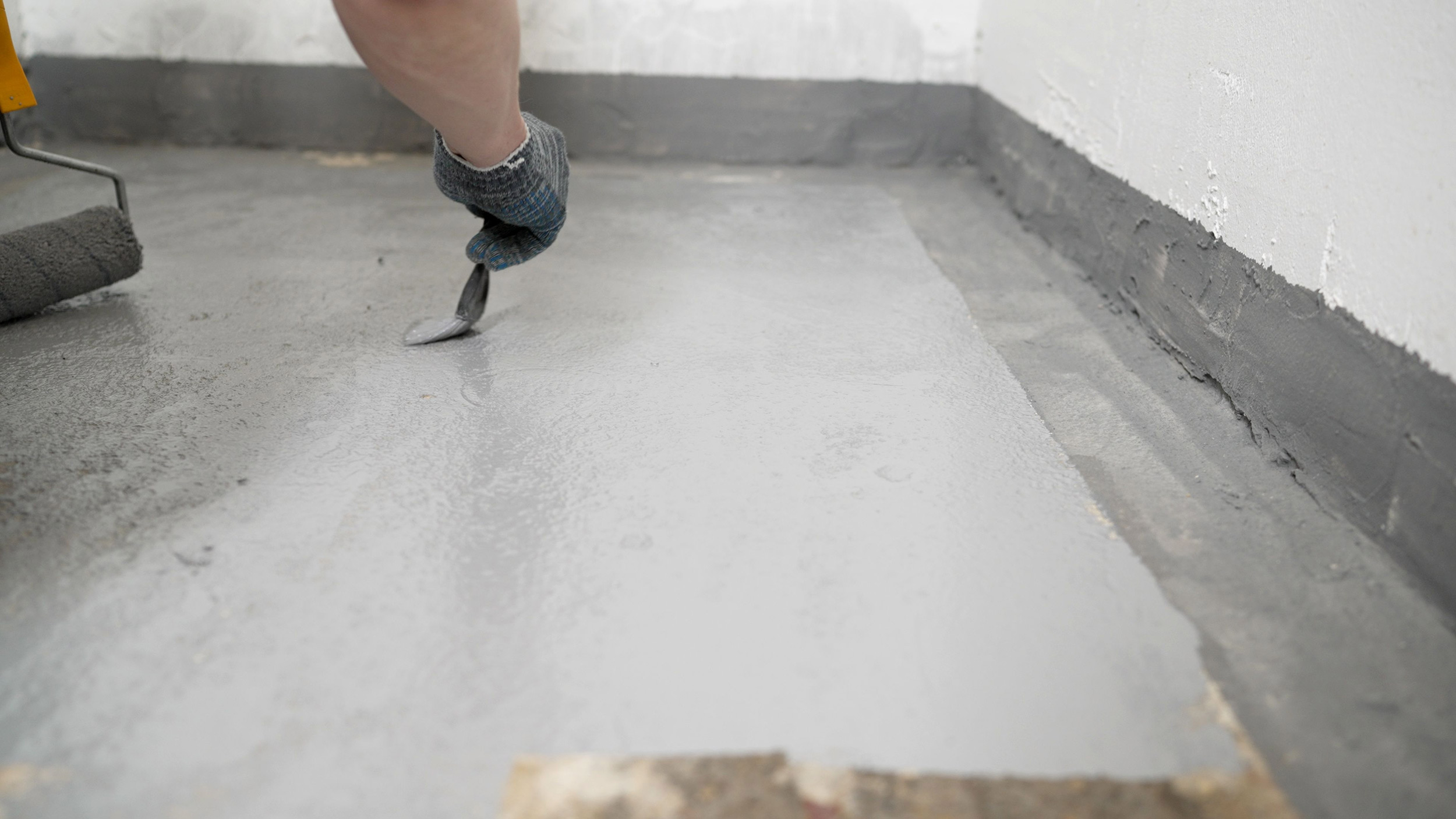
Your substrate must be properly sealed before you begin any tile installation in wet zones. This step prevents water from leaking through the floor and damaging adjacent rooms or ceilings. We recommend using cementitious or liquid waterproofing solutions to create a reliable, watertight tanking layer.
Use High-Performance Tile Joint Grouts
High-quality grout is essential to prevent water from penetrating the joints between tiles. Using ARDEX ENDURA Epoxy Grout provides a non-porous, highly water-resistant finish. It also helps reduce mould growth, keeping your bathroom and kitchen cleaner.
Ensure Proper Terrace and Balcony Waterproofing
Check Drainage Slope
A poor slope on your terrace or balcony leads to water pooling in specific areas. Stagnant water puts constant pressure on the surface and increases the risk of deep seepage. You must ensure the floor slants correctly toward the drainage outlets to allow quick runoff.
Apply Seamless Waterproof Membranes
Exposed terraces endure harsh weather and need a continuous, flexible shield against the rain. It is especially important for areas located directly above living spaces or bedrooms. We suggest using liquid-applied membranes that cure to form a tough, joint-free rubbery layer. Since there are no seams, there are no weak points where water can eventually enter.
Protect Foundations and Basements from Ground Moisture
External Waterproofing During Construction
A proactive approach during construction is much easier than fixing a leaky basement later. You should apply barrier systems to the external walls before backfilling the soil around them. It prevents groundwater from pressing against the concrete and causing dampness in your lower levels.
Use Integral Waterproofing Additives
These additives are mixed directly into the concrete or mortar during construction or renovation. They block internal pores, reducing the material's permeability from the very inside. Using integral waterproofing additives provides a permanent defence against the passage of water and ground moisture.
Regular Maintenance Checklist to Prevent Seepage
- Inspect your roof annually to find broken tiles or damaged sections.
- Clean drainage outlets on terraces and balconies to prevent water backups.
- Repair any new cracks in the walls or floor promptly.
- Check tile joints in showers and kitchens for any signs of erosion.
- Recoat exposed waterproof layers if you notice thinning or weather-related wear.
Common Mistakes That Increase Moisture Problems
Ignoring minor cracks can lead to much larger structural issues. Using incompatible waterproofing systems or skipping the required curing time causes the coating to peel off the surface.
Another big mistake is waterproofing after tile installation instead of treating the substrate. Finally, not reinforcing joints and corners often leaves gaps where leaks are most likely to occur.
Choosing the Right Waterproofing System for Your Home
New Construction vs Renovation
For new constructions, integrate waterproofing into foundations and structural slabs. If you are renovating, surface-applied solutions can be applied over existing materials.
Interior vs Exterior Applications
Exterior waterproofing solutions must be durable enough to withstand sunlight, rain, and fluctuating outdoor temperatures. Interior waterproofing, such as in bathrooms, focuses on containing water within a specific "wet zone." Always match the product to the specific environment in which it will be used.
Climate Considerations
If you live in a high-rainfall area, you will need more robust, multi-layered protection. Homes in coastal regions also require materials that can resist salt air and high humidity. Your local weather patterns should always dictate the type of waterproofing solutions you choose.
Final Thoughts
Water seepage can be prevented with the right strategy and high-quality materials. Taking early action saves you from costly repairs and protects your property's value.
For the best results, combine the correct materials with proper application techniques. Please refer to Ardex Endura's technical documentation before implementation.