Waterproofing for Lift Pits: Why It’s Often Overlooked
 ARDEX ENDURA
 03 Dec 2025
 04 Min
Why Lift Pits Are a Critical Waterproofing Zone
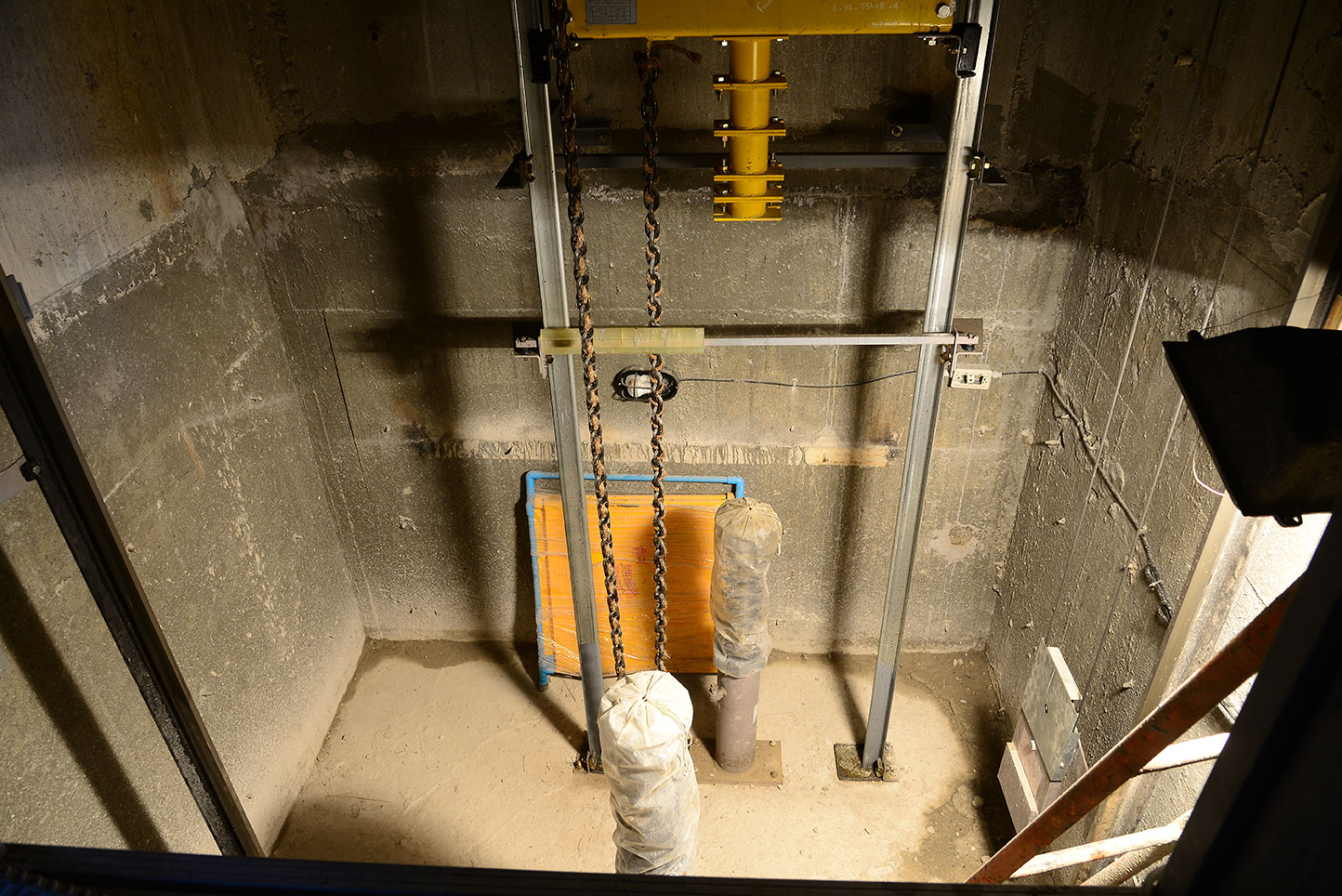
Lift pits are tucked away at the bottom of your elevator shafts, usually below ground. Since they sit in a buried or semi-buried zone, they constantly face groundwater pressure and also face seepage risk. But if water breaks through, the results can be costly and dangerous.
Despite all this, lift pits are often not given enough attention during design or maintenance and are often overlooked. But in reality, they are one of the most important zones for waterproofing for both safety and long-term durability.
Common Causes of Water Ingress in Lift Pits
Water finds many ways into a lift pit. The most common include:
- The groundwater that seeps through porous concrete or cracks.
- Drainage or runoff from adjacent wet areas, like basements or washrooms.
- Bad detailing at the junction where the walls meet the floor.
- Service pipe penetrations that are left unsealed.
- Corners that were not treated properly during construction.
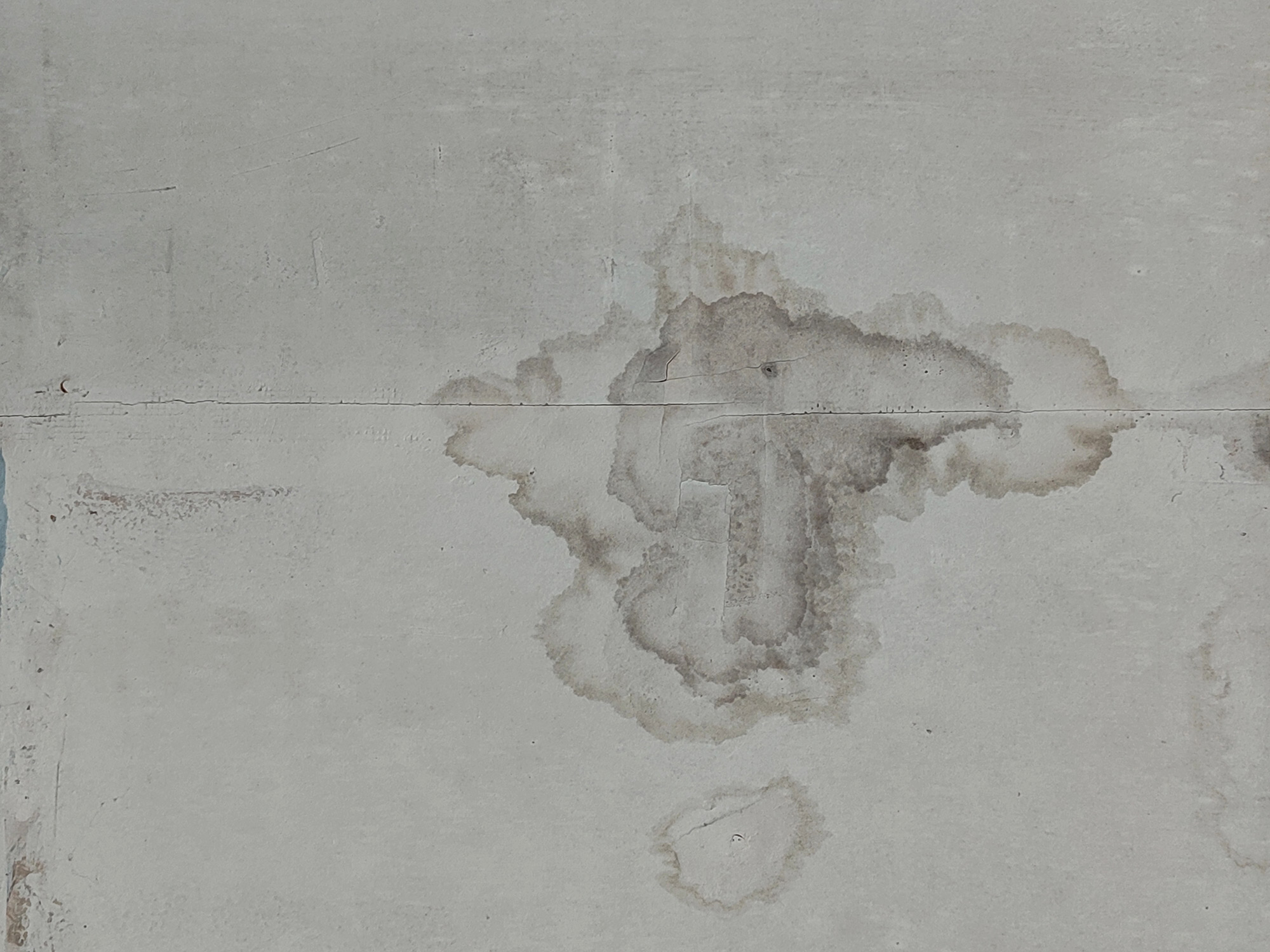
These problems may seem inconsequential at first, but they may worsen rather quickly due to constant water pressure. Hence, lift pits require waterproofing solutions to prevent damage and ensure long-term durability.
Correct Waterproofing Workflow for Lift Pits
Surface Prep & Diagnosis:
The first step in waterproofing is to clean the surface thoroughly. It’s important to remove all dust, debris, and any existing coatings to ensure proper adhesion and effectiveness.
Active leaks should be stopped with quick-setting plugs or injection grouts before you move forward. It’s also important to evaluate the moisture conditions and ensure that the substrate is sound. All these steps are crucial before you start any application.
Integral Waterproofing (Mix-In Additives):
For new construction, it is important to mix integral waterproofing admixtures into the concrete. These additives help reduce porosity and prevent water from entering from within. This is a simple step that strengthens the structure's overall protection.
Positive Side Waterproofing:
The positive side waterproofing is done on the outer faces of the lift pit walls and the base slab. This method prevents water from reaching the structure and, hence, provides reliable protection. Both sheet-applied and liquid-applied membranes can be used only on the positive side.
Negative Side Waterproofing:
Negative-side waterproofing is applied to the inner surfaces of the pit walls and slab. It does not stop water from entering the structure, but prevents it from passing through to the interior.
Detailing & Crack Treatment:
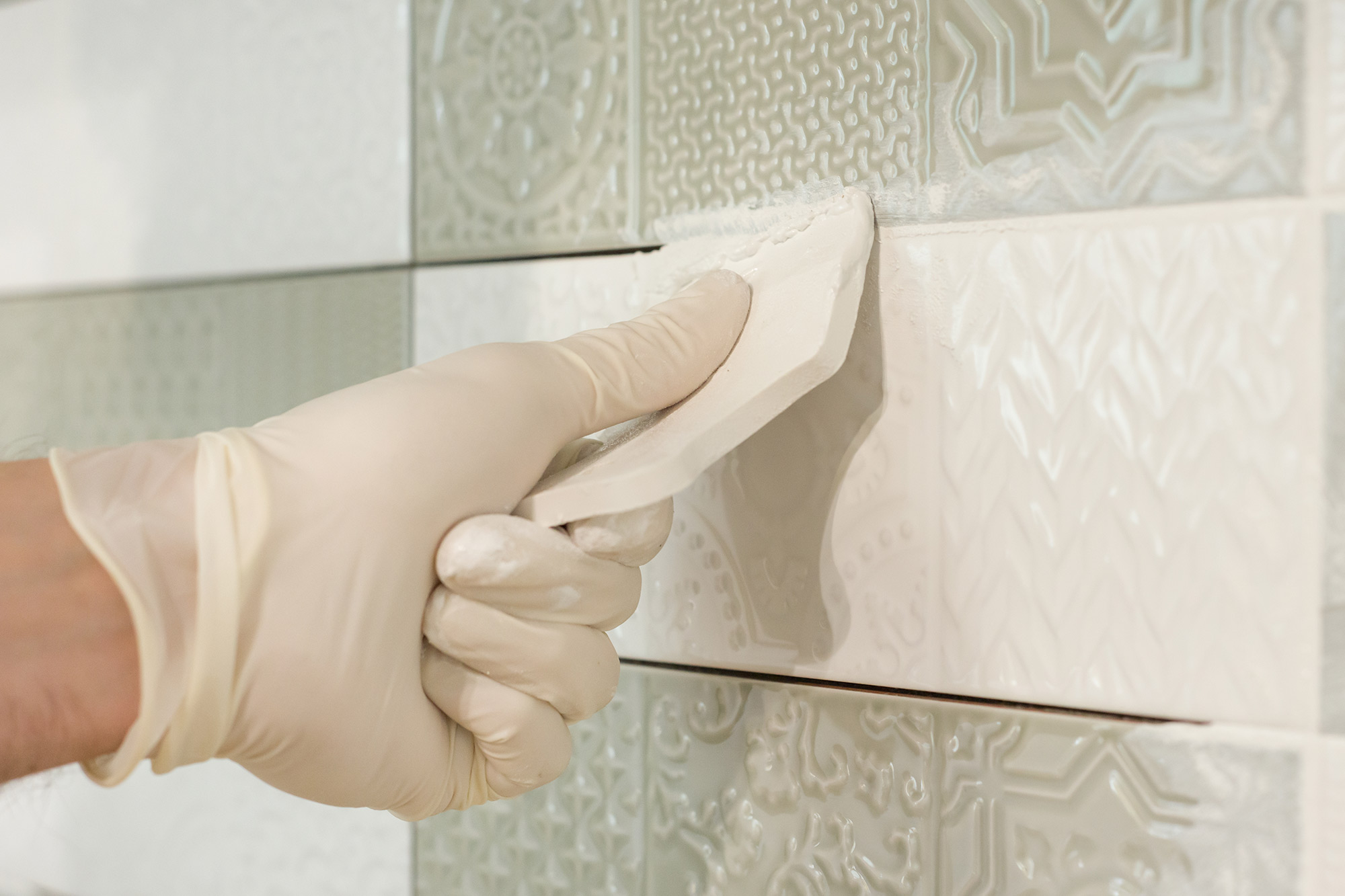
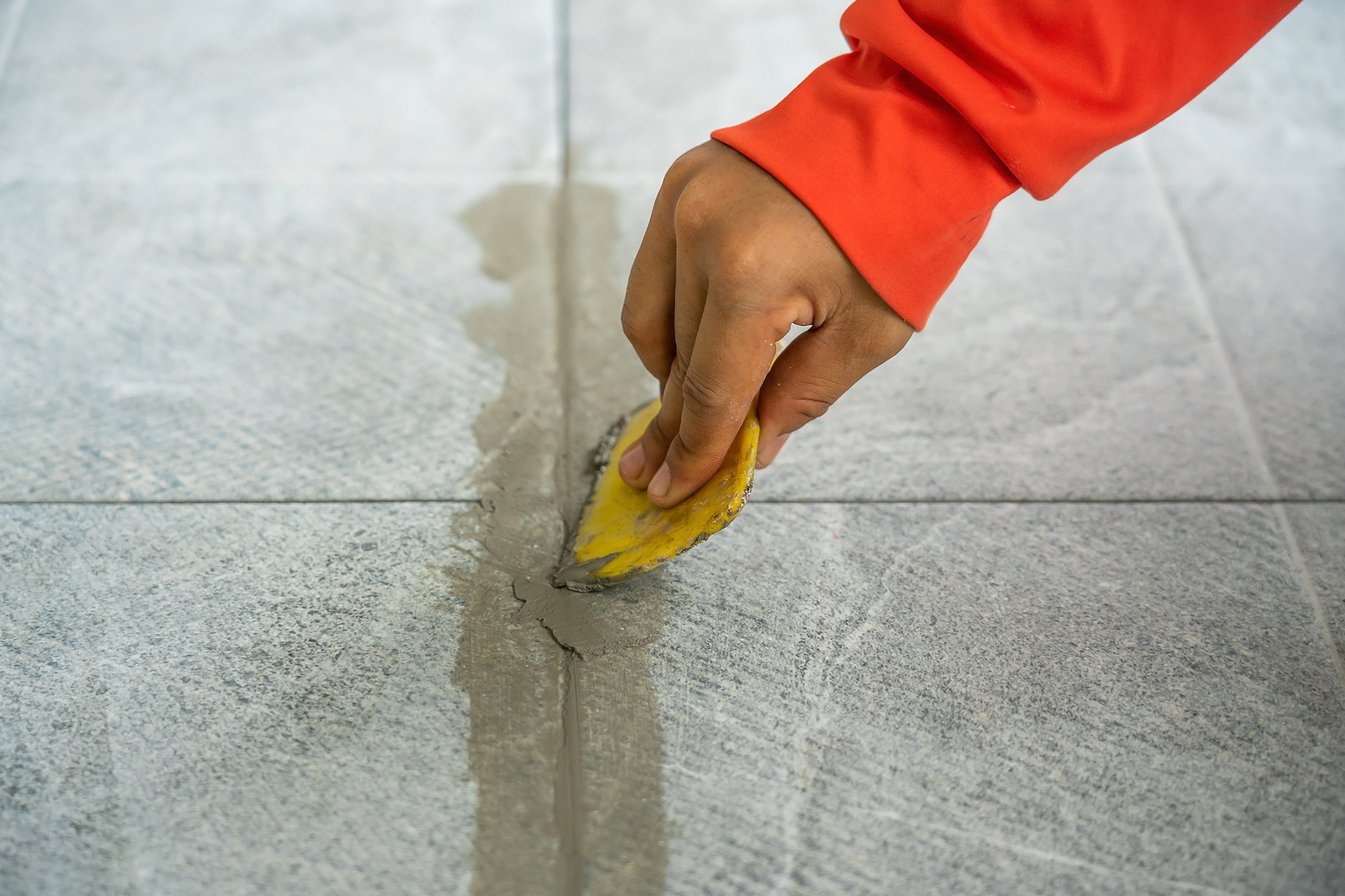
Sealing details are nearly as important as the membranes themselves. Hence, you should use swellable waterbars at joints and penetrations. Also, use bandage tapes at corners and sealants for any small gaps.
Product
WPM 3000 X
Ardex Endura’s WPM 3000 X is a 1.5 mm thick, cold-applied, self-adhesive SBS-modified bituminous membrane with a cross-laminated polythene film. This membrane offers puncture and tear resistance along with torch-free installation, making it suitable for below-grade structures.
Best Practices for Application
- Always start with a clean, dry, and stable base and prime areas where necessary.
- Apply the product to the base and walls of the pit before backfilling. Be sure to overlap all seams by at least 100 mm and press them firmly to ensure a secure and effective waterproof seal.
- Inside the pit, apply the product in two coats. All the while, observing accurate curing times.
- Always seal pipe penetrations and corners carefully, only using compatible detailing products.
- Let the membranes cure fully before installing lifts or finishing work.
Quality Checks & Leak Testing
After installation, always conduct a water fill test. For this, keep the pit filled for at least 24 hours to see if there’s leakage. Take a close look for any pinholes, bubbles, or areas that might have been missed. Also, make sure the membrane is properly adhered and has the right thickness before you go ahead with tiling or other finishes.
Long-Term Maintenance Tips
Regular maintenance helps avoid surprises. Hence, these maintenance tips often come in handy:
- Inspect the pit twice a year. Make sure to check for any cracks, peeling, or discolouration.
- Fix small issues with touch-up membranes before they grow.
- Avoid using harsh cleaning chemicals and stick to neutral pH products to prevent damage.
Conclusion
Ignoring lift pit waterproofing actually exposes the building to high risks, be it equipment failure, structural damage, or safety hazards. Hence, ensure to provide the best protection from combining sheet membranes on the negative side with liquid-applied systems.
For this, durable, high-quality Ardex Endura solutions are excellent picks for use inside the pit. Careful preparation, detailed design, and testing go a long way toward ensuring long-term reliability. Moreover, regular inspections keep everything safe and dry.