Waterproofing vs. Damp Proofing: Understanding the Key Differences
 ARDEX ENDURA
 16 Mar 2026
 05 Min
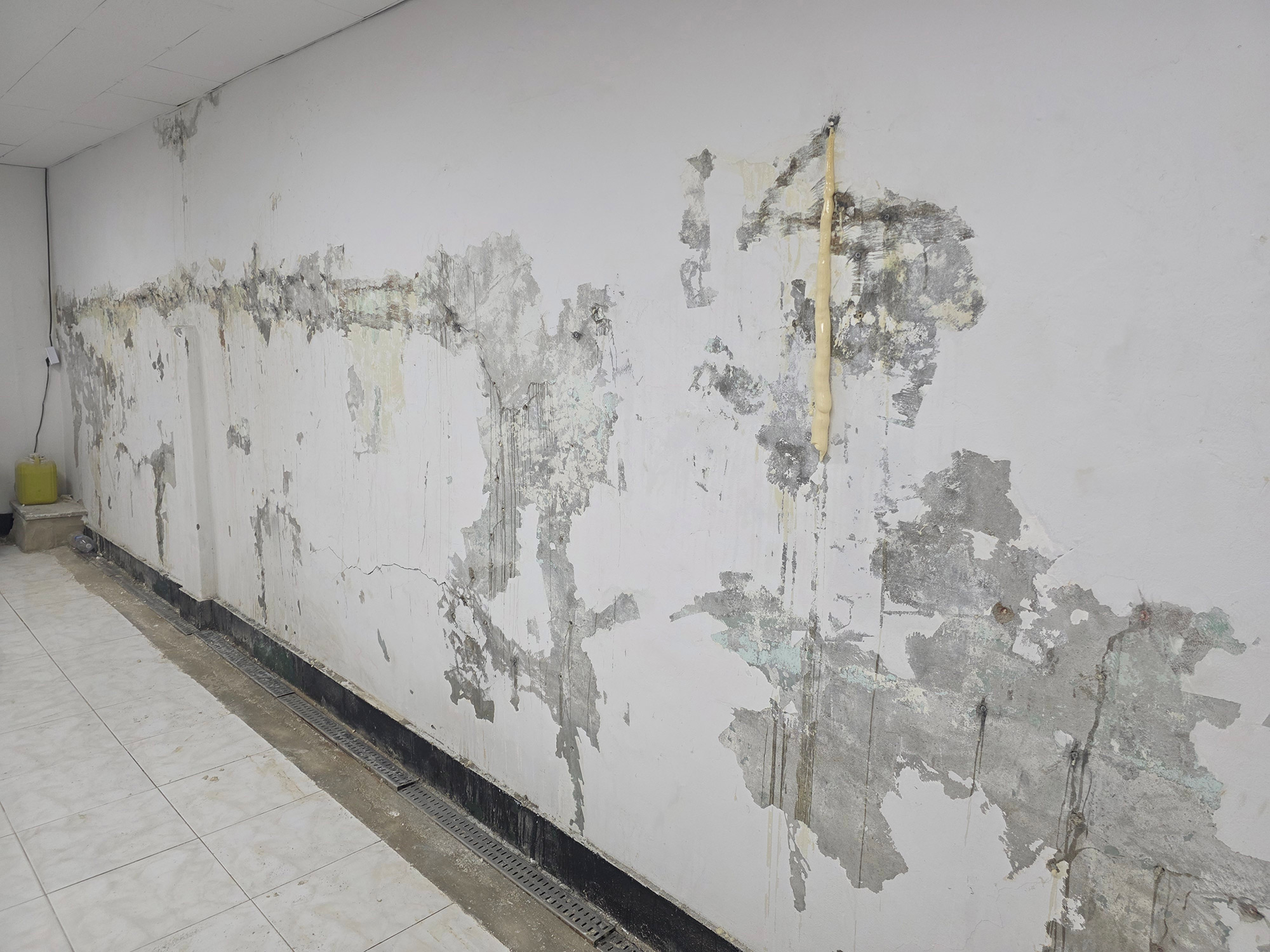
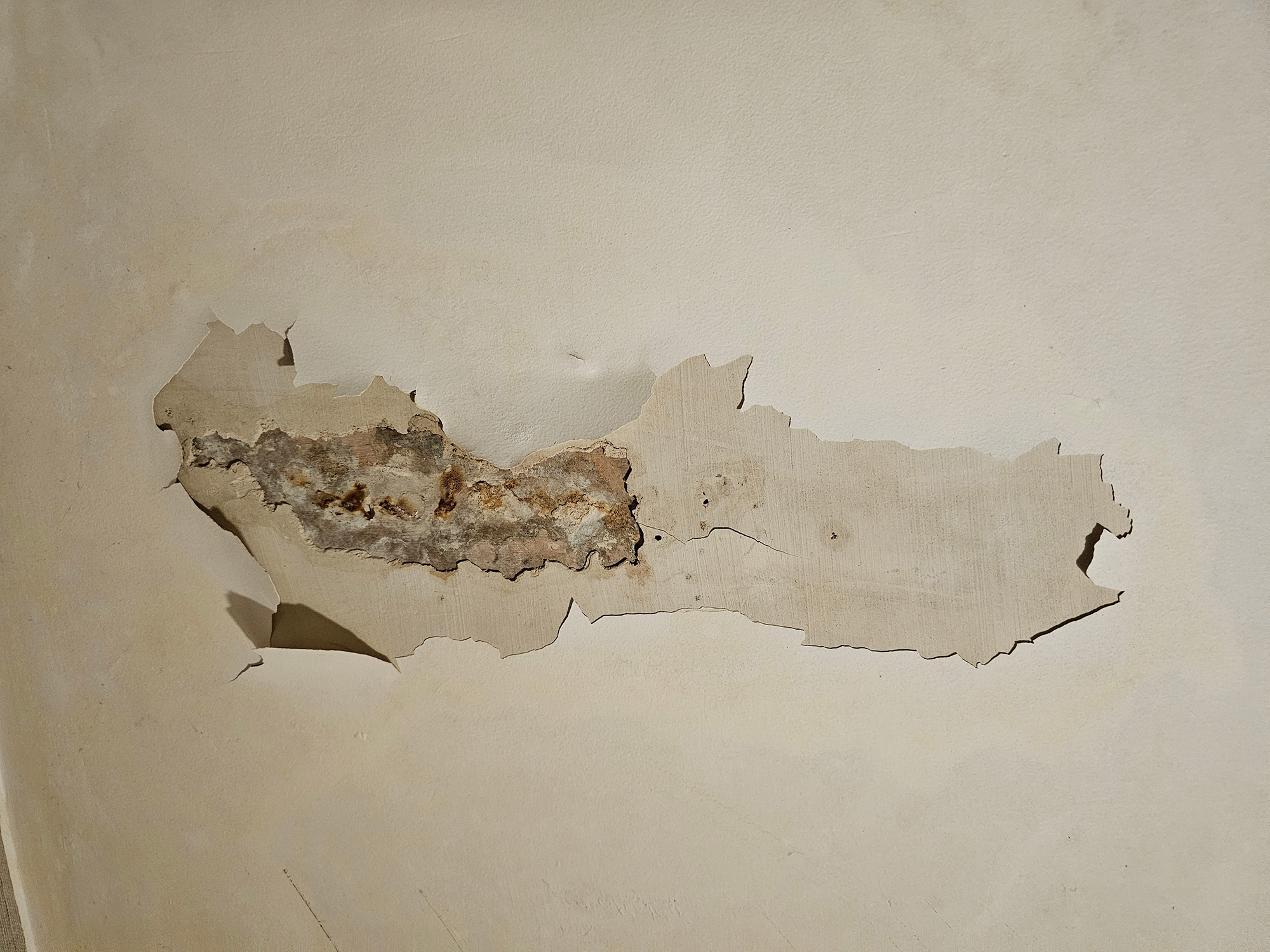
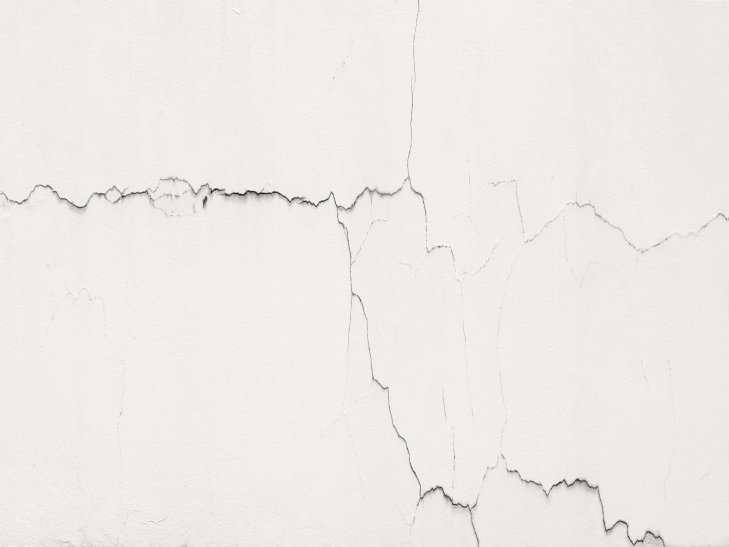
The terms waterproofing and damp proofing are often used interchangeably in the construction market. Many property owners assume that both concepts deliver the same level of protection. However, this confusion often leads to improper material selection and recurring moisture issues.
While both methods protect buildings from water-related damage, they operate at different performance levels. Choosing the wrong system can result in repeated repairs and structural deterioration. Therefore, understanding how waterproofing solutions differ from damp proofing is essential before initiating any moisture control strategy.
What Is Damp Proofing?
Damp proofing is a basic moisture resistance system incorporated during construction to manage minor dampness. It is designed to resist soil moisture rather than active water pressure. Unlike advanced waterproofing systems, damp proofing does not build a barrier capable of handling hydrostatic pressure.
Instead, it restricts capillary rise and reduces moisture absorption within structural components. This makes it suitable for environments where exposure remains controlled and moderate.
Where Damp Proofing Is Commonly Used
Damp proofing is typically applied at foundation levels to control and monitor ground moisture. Basement walls located in areas with low water tables often rely on damp-proofing measures. Plinth level treatment incorporates damp-proof courses to prevent rising damp.
Internal plaster mixes may also include additives that improve resistance to minor moisture exposure. These applications are effective in managing dampness where water pressure is not significant.
How Damp Proofing Works
Damp proofing creates a moisture-resistant barrier that reduces water movement through capillary action. It limits absorption and slows the upward migration of moisture from the soil. Integral waterproofing additives by Ardex Endura can be mixed within concrete or plaster to enhance resistance.
These additives strengthen the matrix and improve durability against damp conditions. However, damp proofing alone is insufficient when structures are exposed to direct water ingress or pressure.
What Is Waterproofing?
Waterproofing can be defined as a high-performance protection methodology (engineered to resist and control active water penetration). The system is designed to withstand hydrostatic pressure and continuous exposure to moisture.
Waterproofing solutions create a comprehensive and impermeable barrier that prevents water from entering structural elements. This makes waterproofing critical in demanding environments.
Where Waterproofing Is Required
Terraces and balconies are directly exposed to rainfall and require effective waterproofing to prevent long-term damage. Similarly, bathrooms and wet areas are exposed to water daily and require reliable waterproofing solutions.
Swimming pools and other areas exposed to excessive moisture require continuous protection because of their constant exposure to water. Basements in high-water-table regions are subject to hydrostatic pressure and must be protected by advanced waterproofing systems.
How Waterproofing Systems Work
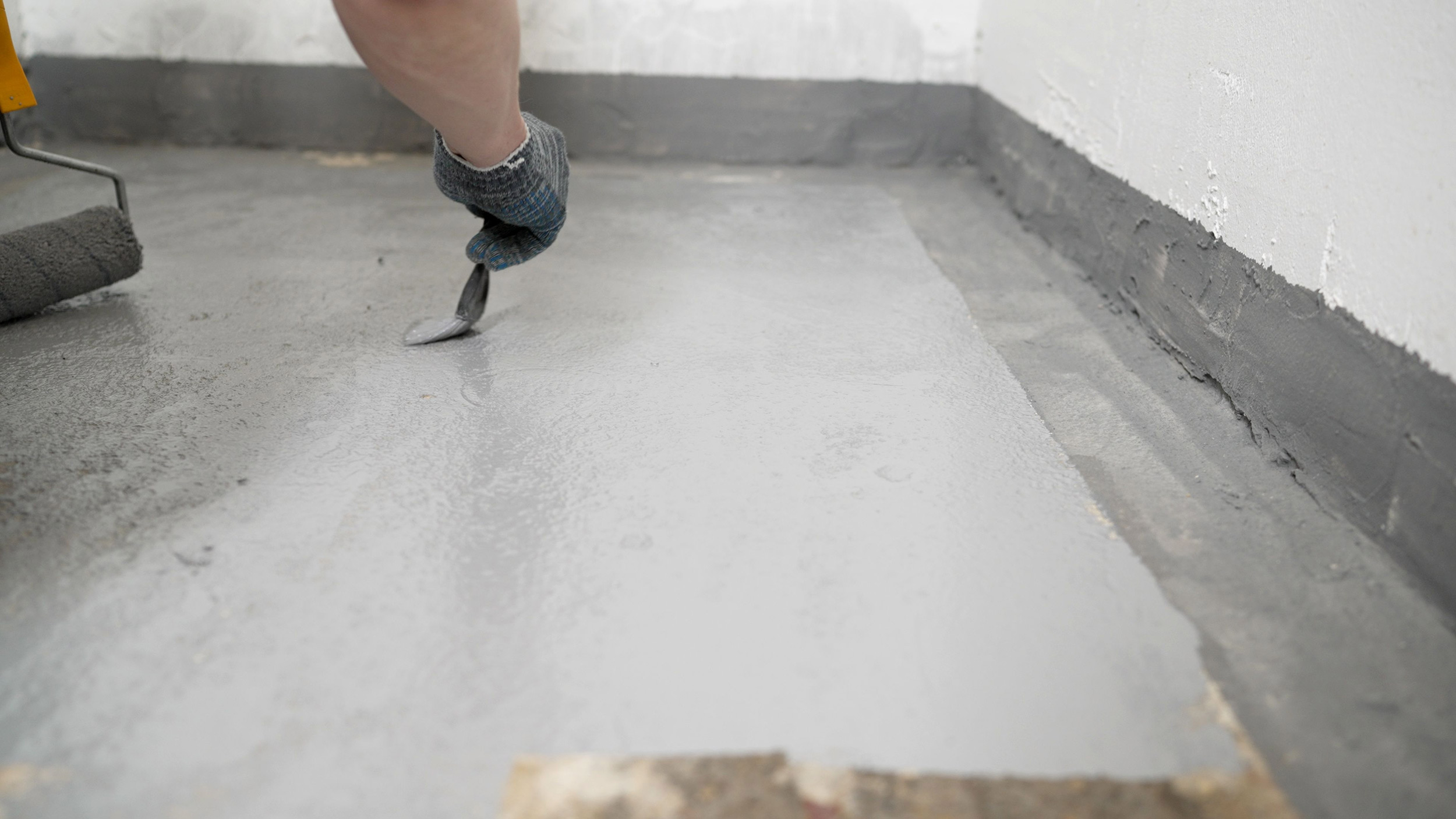
Waterproofing systems create a continuous barrier across surfaces to limit water penetration. Liquid-applied waterproofing membranes by Ardex Endura form seamless coatings without joints or overlaps.
These membranes remain flexible and accommodate structural movement. Their crack bridging capability ensures that minor surface defects do not allow water ingress. Consequently, waterproofing provides superior protection compared to basic damp proofing systems.
Key Differences Between Damp Proofing And Waterproofing
|
Feature |
Damp Proofing |
Waterproofing |
|
Water Resistance |
Resists moisture |
Resists water under pressure |
|
Application Areas |
Foundations, internal plaster |
Roofs, bathrooms, terraces |
|
Flexibility |
Limited |
Flexible & crack-bridging |
|
Hydrostatic Pressure Resistance |
Low |
High |
|
Durability |
Moderate |
High |
Damp proofing controls moisture in low-exposure environments. Waterproofing solutions are specifically designed for areas with active water pressure or direct exposure. Therefore, correct system selection must align with environmental conditions.
When Should You Choose Damp Proofing?
Damp proofing is appropriate in areas with low moisture exposure. Foundations in regions with stable, low groundwater levels can rely on damp control systems. In new construction projects, damp proofing helps manage internal moisture migration to perfection.
Internal plaster mixes may incorporate integral waterproofing additives to enhance durability. Ardex Endura provides additives that improve resistance while maintaining workability. In such scenarios, damp proofing offers adequate performance without the need for full waterproofing systems.
When Is Full Waterproofing Necessary?
- Full waterproofing becomes essential when building structures are exposed to direct rain, pooling water or hydrostatic pressure.
- Exposed terraces are frequently subject to standing water and require continuous protection.
- Bathrooms and other rooms exposed to excessive moisture require dependable waterproofing solutions to prevent leakage into adjoining spaces.
- Basements under high-water-table conditions face constant pressure from surrounding soil moisture.
- External walls exposed to severe weather demand robust protection. In these cases, damp proofing alone cannot deliver long-term reliability.
In each of these applications, comprehensive waterproofing ensures long-term structural performance.
Ardex Endura offers liquid-applied waterproofing membranes that provide seamless, durable protection. The systems resist hydrostatic pressure and remain flexible under structural movement. Implementing advanced waterproofing solutions establishes a comprehensive defence structure against water ingress.
Can Damp Proofing And Waterproofing Be Used Together?
Damp proofing and waterproofing can function as part of an integrated moisture control strategy. Damp proofing may be applied at the foundation levels to manage soil moisture. Waterproofing solutions can then be installed in exposed areas such as terraces, bathrooms and basements. This layered approach strengthens overall building protection.
Ardex Endura supports integrated systems through its range of integral waterproofing additives and liquid-applied waterproofing membranes. Building structures achieve complete moisture management across different exposure levels by pairing the two methods strategically.
This comprehensive approach reduces maintenance costs and extends service life.
Final Thoughts
Damp proofing controls minor moisture migration and restricts capillary rise. Waterproofing resists active water penetration and hydrostatic pressure. Although both systems protect buildings from moisture, their performance levels differ significantly. Correct diagnosis determines whether damp proofing or advanced waterproofing solutions are required.
Selecting the appropriate system based on site conditions prevents recurring damage and unnecessary repair expenditure. Ardex Endura provides dependable systems designed to address a range of moisture challenges. Our range of integral additives and liquid-applied waterproofing membranes ensures reliable performance in demanding environments.