Epoxy Grout for Tiles: A Complete Guide to Application Techniques and Performance Benefits
 ARDEX ENDURA
 13 Mar 2026
 05 Min
For decades, cementitious grout was the default choice for every tiling project. However, modern architecture and industrial demands have shifted the narrative.
Whether it is a busy commercial kitchen, a sterile hospital or a premium residential bathroom, the grout choice defines the floor's lifespan. Standard cement grout often fails in these settings due to its porous nature. It absorbs liquids, harbours bacteria and cracks under pressure.
To combat these issues, architects and contractors are turning to epoxy tile grout. At Ardex Endura, we offer Epoxy Grout engineered to withstand extreme conditions. It supports both functional strength and refined finishes, making it a practical upgrade for high-performance spaces.
What Is Epoxy Grout and How Does It Work?
Understanding Its Composition
Epoxy grout is a two- or three-part system designed for superior joint performance. It works through chemical curing rather than hydration. This gives it distinct advantages during grouting with epoxy grout.
The resin forms the core structure and provides strength. The hardener triggers the curing reaction once mixed. Graded fillers add body, control shrinkage and improve workability.
Unlike cement grout, epoxy grout does not rely on water. Instead, it cures through a chemical reaction. This creates a dense, non-porous joint that resists moisture, stains and chemicals. Because of this structure, epoxy grout maintains consistent colour and performance over time.
Epoxy Grout vs Cement Grout
|
Feature |
Cement Grout |
Epoxy Grout |
|
Water Absorption |
High as it is highly porous. |
Very low, does not allow water to pass through. |
|
Stain Resistance |
Moderate |
Excellent |
|
Chemical Resistance |
Limited |
High |
|
Durability |
Moderate |
Long-term |
Where Is Epoxy Grout Most Effective?
Epoxy grout is most effective in areas exposed to heavy use, moisture or rigorous cleaning, where regular grout tends to stain, crack or deteriorate over time. It performs particularly well in -
- Commercial Kitchens - Prevents oil, grease and food stains from penetrating joints and stands up to frequent hot-water and chemical cleaning.
- Hospitals and Laboratories - Limits bacterial buildup and supports stringent hygiene protocols.
- Swimming Pools - Resists constant water pressure, chemicals and colour fading caused by prolonged immersion.
- Industrial Floors – Withstands chemical spills, abrasion and mechanical stress without joint breakdown.
- High-Traffic Retail Spaces - Maintains joint integrity under constant footfall and frequent cleaning. For such areas, epoxy grout formulations like EG Pro by Ardex Endura offer improved workability along with high mechanical strength.
Step-by-Step Guide to Applying Epoxy Grout
Step 1 – Surface Preparation
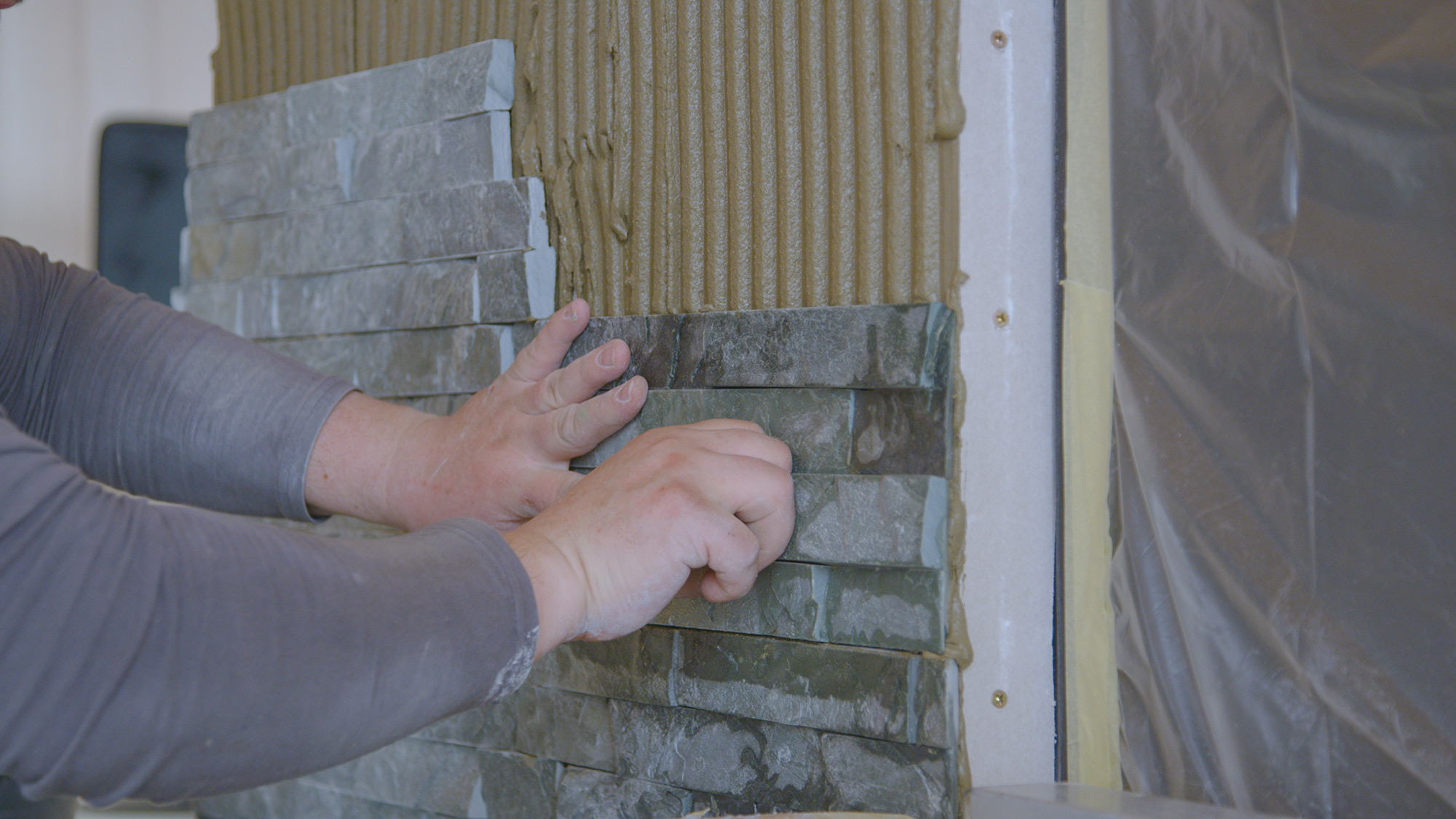
Preparation is the most critical phase. Ensure all tile joints are clean and dry, remove any adhesive residue before starting and make sure joint widths are uniform to achieve an even finish.
Step 2 – Mixing the Components
Accuracy is vital when grouting with epoxy grout. Mix the resin and hardener thoroughly until uniform, then add the graded filler gradually. Do not add water under any circumstances, as this disrupts the chemical balance, and mix only quantities that can be applied within the pot life.
Step 3 – Application Technique
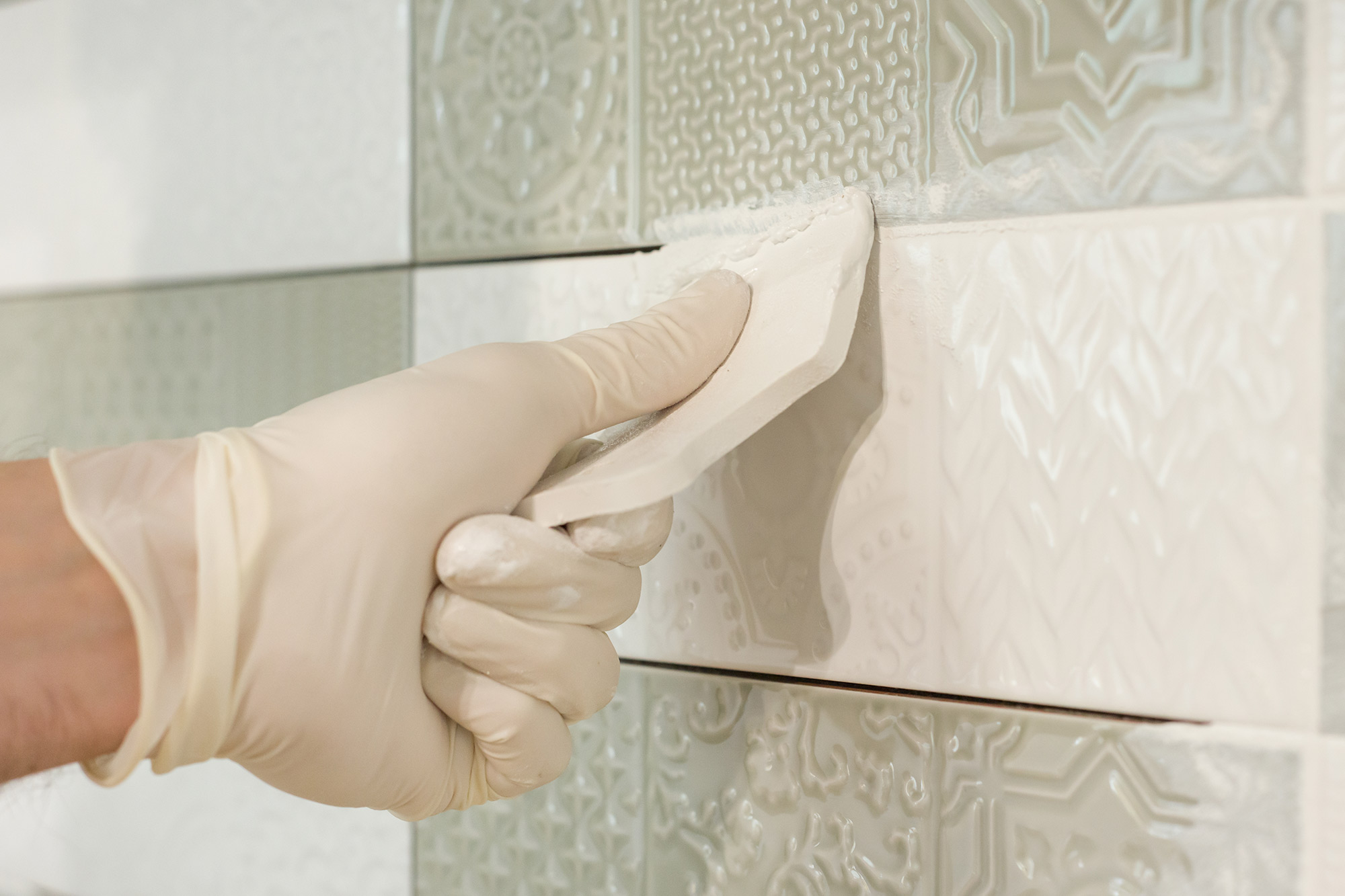
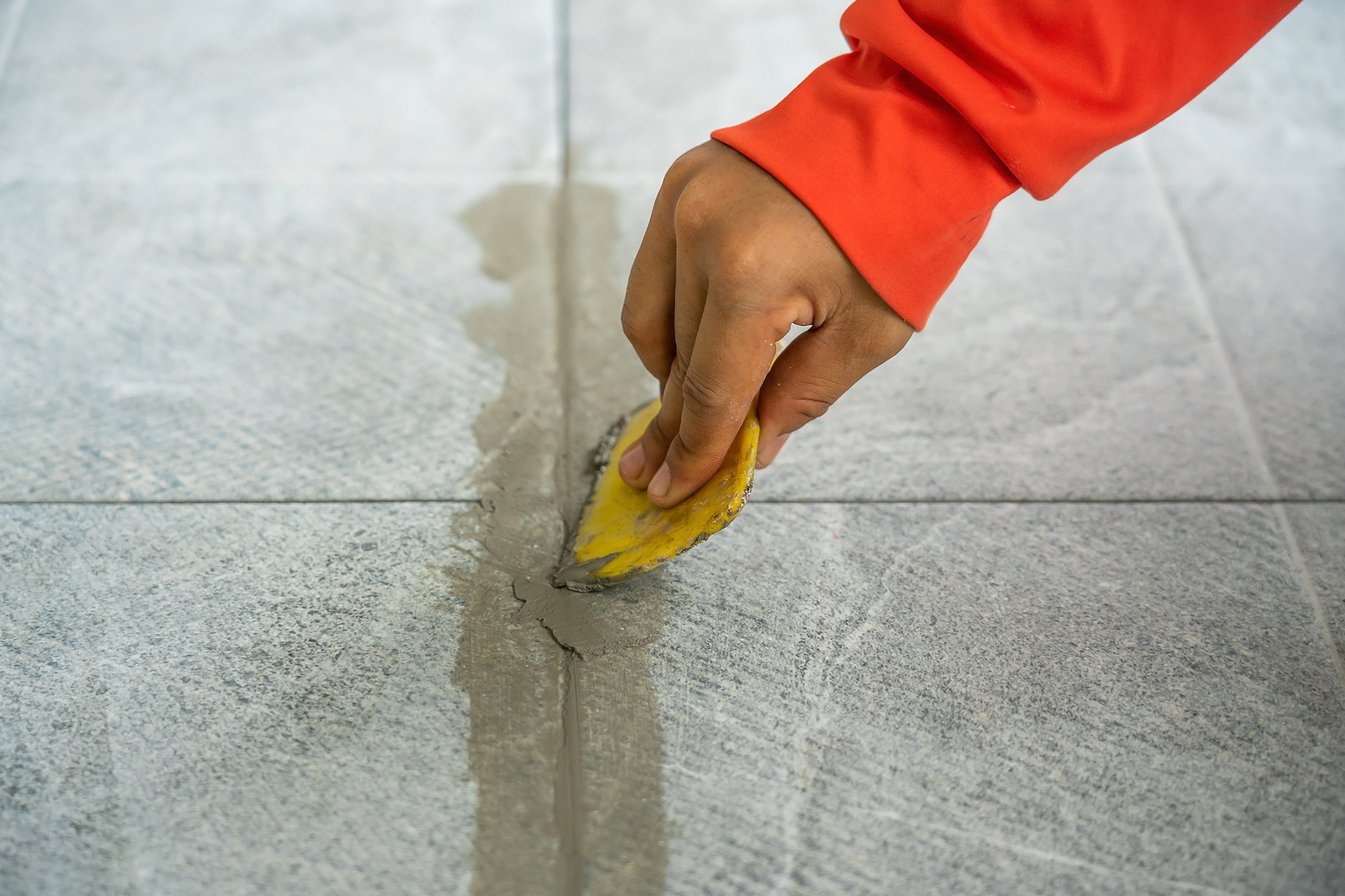
Use an epoxy float to apply the grout, spreading it diagonally across the joints to ensure every gap is properly filled. Work in small sections to help prevent the grout from setting too quickly and to keep the joint edges neat and clean.
Step 4 – Cleaning & Finishing
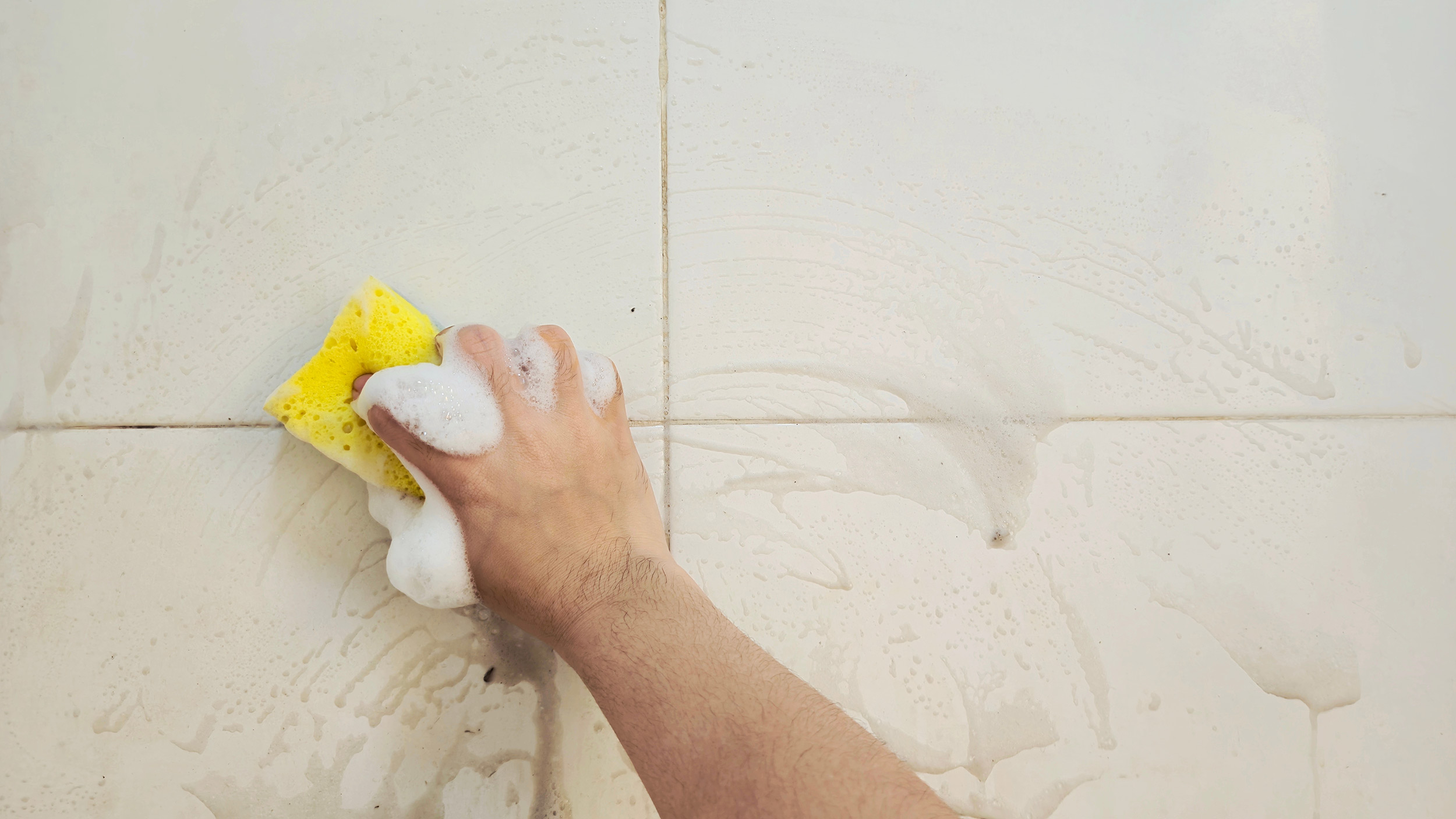
Remove excess grout before the initial set occurs. For this, use a damp sponge to smooth the joints. Also, avoid using harsh chemical cleaners during curing as they may affect the surface.
For projects that require aesthetic detailing, you can choose speciality epoxy options like WA D – Sparkling Effect Epoxy Grout, which add visual appeal while maintaining durability, ensuring your installation is both beautiful and long-lasting.
Key Performance Benefits of Epoxy Grout
1. Superior Stain Resistance
Once cured, epoxy tile grout creates a non-porous surface that keeps liquids and dirt from seeping into the joints. This makes it the best option for kitchens and bathrooms where spills are common.
2. Chemical & Acid Resistance
Industrial cleaning agents can erode cement grout over time. Epoxy tile grout is designed to withstand harsh acids and alkalis and maintain the integrity of the floor despite rigorous sanitisation protocols. This makes it particularly suitable for the pharmaceutical and food processing industries.
3. High Mechanical Strength
Epoxy grouts offer incredible strength. They can withstand heavy loads from pallets and trolleys as well as constant foot traffic. This strength significantly reduces the risk of joint cracking, ensuring long-lasting performance even in high-stress environments like commercial kitchens, industrial floors, and busy retail spaces.
4. Waterproof and Hygienic
Epoxy grout is inherently waterproof and hence, creates a hygienic seal that prevents mould growth behind the tiles.
Common Challenges and How to Avoid Them?
- Short Working Time - Epoxy grout can set quickly, so mix small batches at a time to stay in control and avoid wastage.
- Grout Haze - If left on the tile surface, grout can leave a cloudy residue. Clean promptly with a damp sponge before it hardens.
- Improper Mixing - Incorrect ratios can affect strength and curing. Follow the manufacturer’s instructions carefully to get the best results.
- Difficult Removal after Curing - Once fully set, epoxy tile grout is hard to remove, so address spills and excess immediately to save time and effort.
Final Thoughts
Grouting with epoxy grout is the go-to choice for spaces where durability, hygiene and long-lasting performance matter most. Its non-porous, chemical-resistant nature makes it perfect for commercial kitchens, hospitals, swimming pools and high-traffic areas. However, to get the best results, correct product selection and application are key.
Always choose your specific product type based on the unique requirements of your project, whether it is a standard high-strength formulation or a decorative option like WA D. Also, refer to the manufacturer's technical datasheets for precise mixing ratios and curing times.
Do not compromise on quality or longevity! Choose the Tile Joint Grouts offered by Ardex Endura and achieve a finish that is strong, hygienic and durable, no matter how demanding the environment is.