How to Install Stone Cladding on Exterior Walls
 ARDEX ENDURA
 05 Jun 2026
 06 Min
Stone cladding is widely used for premium exterior finishes. It enhances your property's aesthetics and at the same time offers durability and overall protection. However, improper installation can pose serious risks, such as loose tiles, cracks or water seepage.
At Ardex Endura, we offer the best tile adhesive for a flawless, safe exterior finish.
What is Stone Cladding?
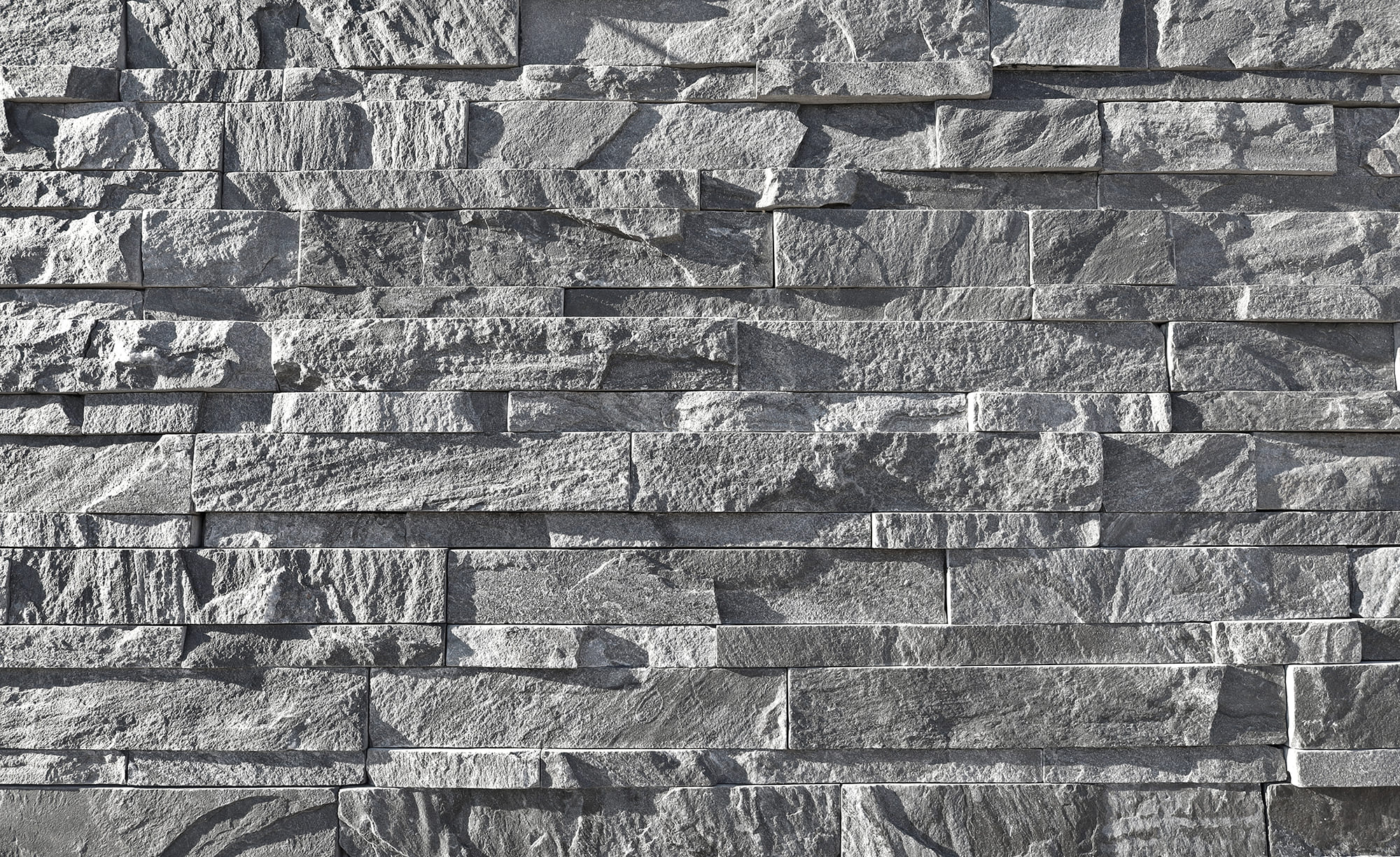
Stone cladding involves applying thin layers of natural or engineered stone to your walls, which creates the appearance of a solid gravel texture without the heavy weight.
You can choose from various natural stones, such as granite, marble or sandstone, or engineered stone, which is also a popular option for modern designs. This technique is commonly used for exterior facades, boundary walls and interior feature walls. It provides a rugged yet sophisticated look that traditional paint cannot match.
Challenges in Exterior Stone Cladding
Heavy Weight of Stones
Natural stone slabs are heavier than standard ceramic tiles. They put significant stress on both the tile and stone adhesive and the wall structure.
Weather Exposure
Exterior walls face harsh conditions, such as heavy rain and scorching heat. Constant UV exposure can also weaken standard bonding materials over time.
Risk of Debonding
If the bond fails, the stone can pull away from the wall. It is dangerous and may happen due to poor material choices.
Water Ingress & Seepage
Water can seep behind the stones if the joints are not sealed properly. It can cause dampness in the substrate and weaken the entire installation.
Thermal Expansion
Stones expand and contract as the temperature changes. Without the right materials, the cladding can crack or pop off.
Key Requirements for Successful Installation
Strong Bonding Adhesive
The best tile adhesive can support heavy vertical loads and provide grip to the stone during and after the setting process.
Proper Surface Preparation
The wall must be clean and stable before you start as any dust or loose particles will prevent the adhesive from sticking properly.
Mechanical Support (required above 3meter)
For very heavy or large stones, chemical bonding alone might not suffice. In such situations, mechanical anchors can provide an extra layer of safety for high-rise installations.
Weather-Resistant Materials
All materials used must withstand outdoor environmental conditions. It includes resistance to moisture, freeze-thaw cycles and high temperatures.
Proper Joint Treatment
Filling the gaps correctly is vital for a seamless look and the natural movement of the stone slabs. It also prevents water from reaching the substrate and causing internal damage.
Step-by-Step Installation Process
Step 1: Surface Preparation
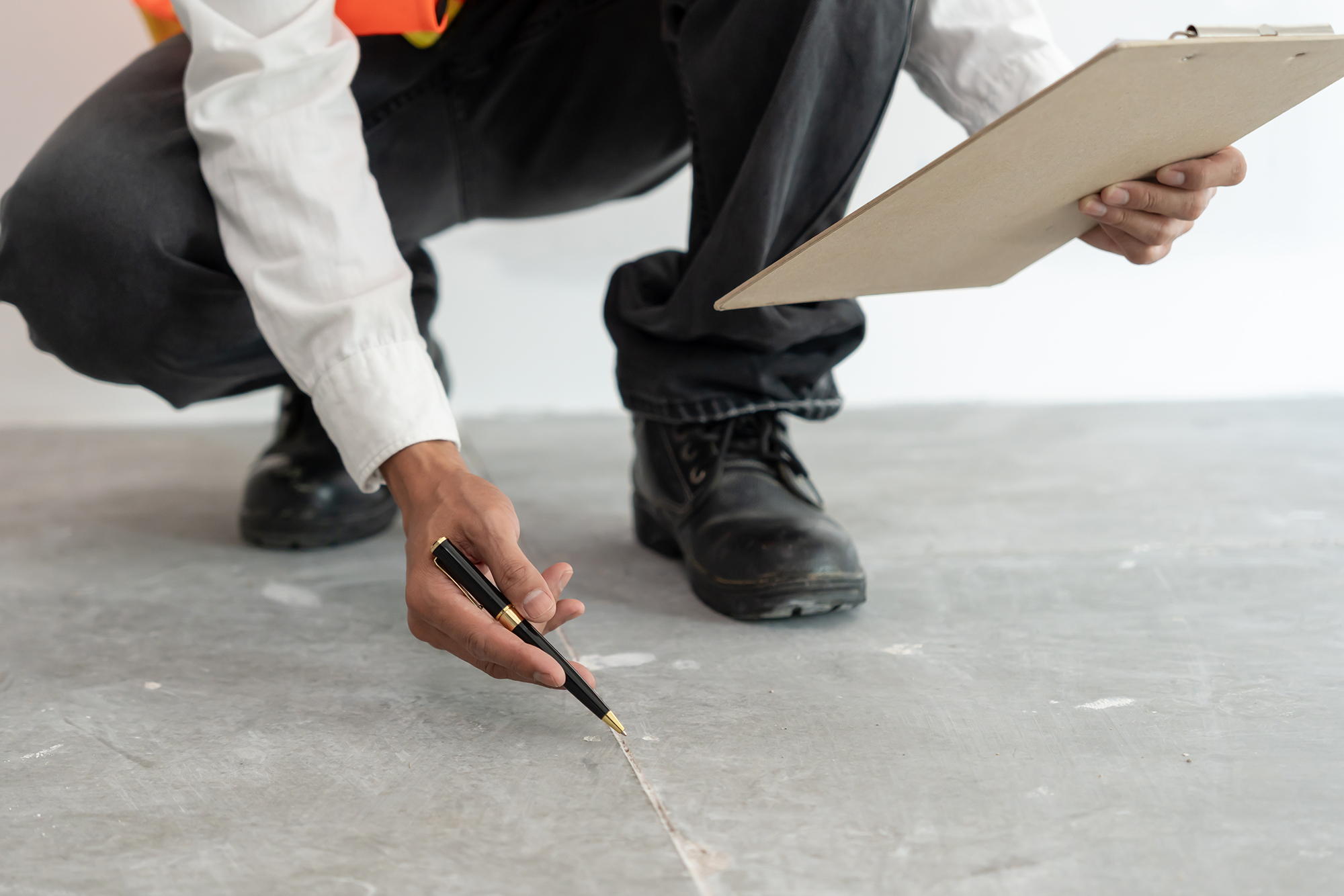
Your primary requirement is a clean surface, free from dust and oil. Repair existing cracks and uneven areas for a solid foundation.
Step 2: Surface Levelling (If Required)
A flat surface prevents air gaps behind the stones. Use repair mortars or levelling compounds to create an even, uniform base.
Step 3: Apply Tile/Stone Adhesive
Our high-performance stone adhesives are specifically designed for exterior use. Mix it thoroughly to achieve a smooth consistency.
Step 4: Fixing the Stone Cladding
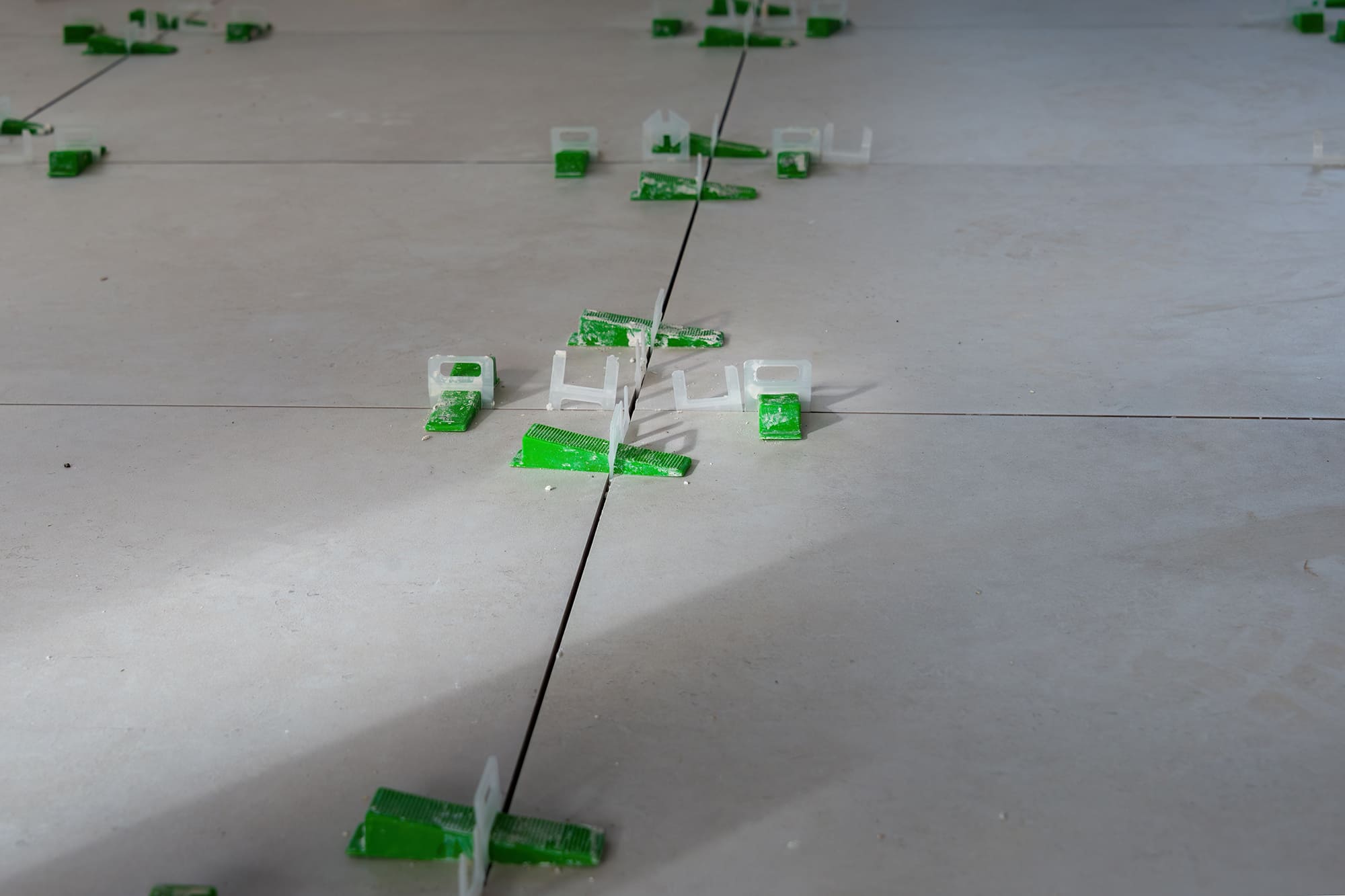
Press each stone firmly into the adhesive bed to ensure full contact. Use spacers to maintain even gaps between the stones for a neat look.
Step 5: Provide Mechanical Fixing (For Heavy Stones and above 3meters)
If stones are particularly large or heavy, install mechanical clamps and anchors. It increases safety to prevent the stone from falling.
Step 6: Grouting & Joint Filling
Once the adhesive sets, fill the joints with a weather-resistant grout. They should be sealed completely to prevent moisture from entering.
Step 7: Sealing and stain protection
After the stones are installed, select wide ranges of sealer from ardexendura, based look and finish like glossy, natural and wet look.
Step 8: Curing & Final Inspection
Allow the installation to set completely before cleaning the surface. Check every stone for proper alignment and a solid bond.
Choosing the Right Adhesive for Stone Cladding
Why Cement is Not Suitable
Standard cement mortar has low bond strength and is not reliable for heavy stones. It shrinks during drying, leading to hollow spots and debonding.
What to Look for in Adhesives
Look for adhesives with high bond strength and excellent slip resistance. They must offer flexibility to handle thermal movement and weather changes.
Recommended Ardex Endura Solutions
For Stone Fixing
Our high-performance tile and stone adhesives come with an incredibly strong bond in demanding exterior conditions. Suitable for heavyweight stone slabs, these solutions significantly reduce the risk of debonding.
For Surface Preparation
Our range includes specialised repair mortars and levelling compounds. These products create a smooth base for your cladding project. A flat surface ensures better adhesion and a great professional finish.
For Joint Filling
Ardex Endura's weather-resistant grouts are perfect for protecting your exterior walls. They prevent water ingress by ensuring the joints are clean and durable. These grouts can handle the stresses of outdoor environments.
Common Mistakes to Avoid
- Using cement mortar instead of the recommended tile and stone adhesive results in poor bonding and eventual stone failure.
- Skipping surface preparation and applying stone to a dirty or weak wall can cause detachment.
- Without mechanical fixings, heavy stones cladded on high walls may fall off.
- Poor adhesive coverage leaves air gaps that trap moisture and weaken the installation.
- Ignoring expansion joints leads to unwanted stone movement, cracking and buckling.
Best Practices for Long-Lasting Stone Cladding
- Always use certified installation systems that are tested for exterior performance.
- Follow the manufacturer's instructions regarding proper adhesive thickness for a strong bond.
- Full contact between the stone back and the wall surface provides a better grip.
- Planning expansion joints at regular intervals is essential for managing structural movement.
When is Mechanical Fixing Necessary?
Mechanical fixing is essential when using large or heavy stone slabs. It is also a mandatory safety requirement for cladding on high-rise buildings. Any exterior facade exposed to high wind loads should include mechanical anchors. It prevents the stone from detaching due to gravity or external environmental pressure.
Maintenance Tips for Exterior Stone Cladding
Regular Inspection
Detecting loose stones, cracks in the grout or signs of water damage early prevents expensive repairs later.
Cleaning with Suitable Products
Mild, pH-neutral cleaners are ideal for removing dirt from the cladding and preserving its texture.
Checking Joints & Sealants
Inspect joints and sealants for signs of wear or gaps, and repair if you notice any damage.
Conclusion
Stone cladding enhances your home's aesthetics but requires proper installation. Using the right materials and application techniques is essential to prevent issues like debonding or water ingress and to maintain a durable finish.
At Ardex Endura, we provide the best tile adhesive required for a safe result, protecting your investment for decades.