Waterproofing Checklist for Residential Buildings Before Monsoon
 ARDEX ENDURA
 09 Jun 2026
 06 Min
Monsoon brings heavy rainfall, leading to leakage, seepage and dampness in residential buildings. Most issues arise due to a lack of pre-monsoon inspection. Addressing issues in advance with preventive waterproofing is much more cost-effective than emergency repairs.
At Ardex Endura, we help you maintain a dry, safe and worry-free home. Preparing early helps you avoid the stress of sudden leaks. By following our dedicated checklist for waterproofing, you can protect your property during the heaviest downpours.
Why Pre-Monsoon Waterproofing is Important
- Waterproofing before the rains prevents water leakage and seepage into your living spaces.
- It protects structural integrity by stopping water from reaching the steel reinforcement.
- Using proper waterproofing solutions prevents expensive repairs when damage becomes visible and severe.
- A dry environment ensures a healthy indoor environment by reducing the chances of mould and mildew growth.
Key Areas to Inspect Before Monsoon
- Start by checking the terrace or roof for any standing water.
- Inspecting external walls for cracks prevents rain from soaking through.
- Pay close attention to bathrooms and wet areas where internal leaks are common.
- Clearing drains and water outlets pipes.
- Balconies and windows are typical entry points for heavy rain and wind.
- Don't forget the basement and parking areas, as rising groundwater can cause dampness there.
- Inspect water tanks to ensure they are sealed and structurally sound.
Complete Pre-Monsoon Waterproofing Checklist
Terrace & Roof
Check for cracks or other visible damage in the existing surfaces and structures. Your roof must have a proper slope that stops water accumulation. Clean the drains and outlets to let water flow smoothly. Inspect parapet walls and joints for gaps and weak points.
External Walls
Look closely for hairline cracks or areas where the paint is peeling off. Damp patches on walls indicate hidden moisture. Inspect wall joints and corners where leakage usually begins.
Bathrooms & Wet Areas
Check adjacent walls for signs of leakage or moisture patches. Inspect tile joints and grout for wear or damage. Ensure proper sealing around pipes, taps and fixtures.
Balconies & Windows
Check the window frames for proper sealing to prevent rainwater from entering your rooms. Inspect balcony drainage to ensure water does not pool near the doors. Look for seepage marks on the ceiling of the balcony below yours.
Basement/Parking Areas
Check for water seepage or dampness on the floor and lower walls. Inspect expansion joints to ensure they are completely flexible and watertight. Look for cracks in the flooring that could allow underground water to rise.
Water Tanks
Check for cracks or leakage in the tank structure. Inside, ensure the waterproofing solution is intact and food-safe. Maintain perfect hygiene by properly sealing the tanks' top covers.
Common Waterproofing Issues Found Before Monsoon
Hairline Cracks
Small cracks in the plaster or concrete can act as pathways for water. While they look minor, they lead to deep-seated seepage during heavy rains.
Damaged Waterproofing Membrane
Old membranes become brittle or tear due to constant exposure to the sun. A damaged layer fails to stop water from entering the building structure.
Blocked Drainage Systems
Leaves and debris clog pipes on roofs and in balcony areas. Water puts additional pressure on the waterproofing system, leading to leaks.
Worn-Out Sealants
Sealants around windows and doors can shrink or peel away with age. It creates easy paths for rainwater to enter your home.
Tile Joint Failures
Grout in bathrooms or on terraces can crack and wash away. Empty joints allow water to seep beneath the tiles, leading to dampness.\
Recommended Ardex Endura Solutions
For Terrace & Roof Waterproofing
We recommend liquid-applied waterproofing membranes for a seamless and flexible protective layer. They offer excellent UV and weather resistance for long-term roof durability.
For Bathrooms & Wet Areas
Ardex Endura's cementitious waterproofing systems provide a robust barrier for showers and kitchens. They offer strong bonding to the substrate and superior moisture resistance.
For Cracks & Repairs
Use our specialised repair mortars and crack fillers for structural fixes. They provide a durable repair that effectively prevents water ingress through open gaps.
For Tile Joints
Our water-resistant grouts are designed to stay intact in wet conditions. They prevent seepage and ensure long-lasting joints between your floor and wall tiles.
For External Walls
Protective waterproof coatings act as a shield against heavy rain and wind. These coatings provide weather resistance and prevent seepage through the exterior facade.
Step-by-Step Pre-Monsoon Waterproofing Plan
Step 1: Inspection
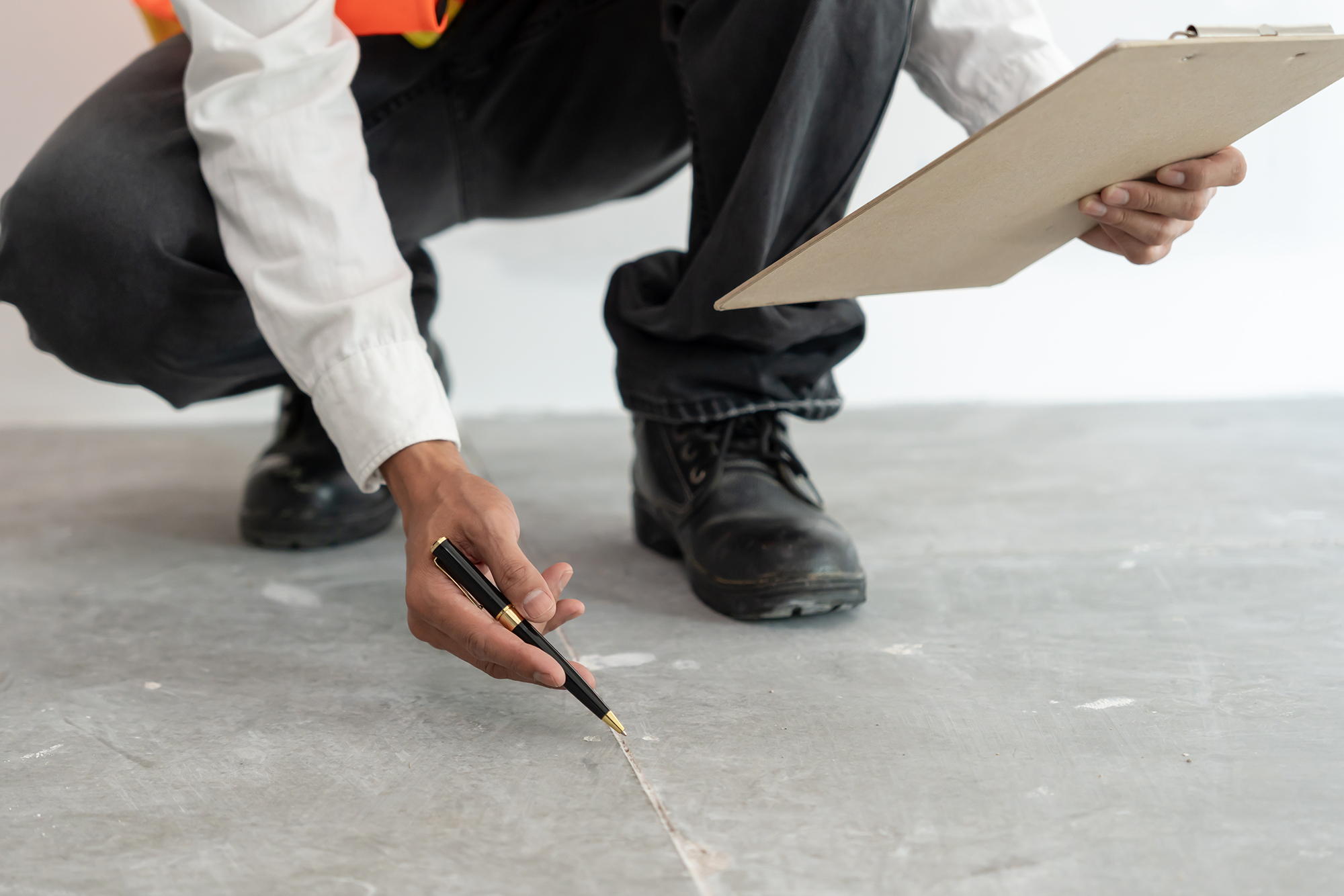
A detailed inspection of all vulnerable areas of your home, from the roof to the basement, identifies signs of damage.
Step 2: Identify Problem Areas
Mark and categorise cracks, dampness and peeling paint by location and the level of repair needed.
Step 3: Repair Cracks & Damage
Clean out debris from cracks before sealing them with our repair mortars and ensuring a smooth surface.
Step 4: Apply Waterproofing Systems
Apply Ardex Endura's waterproofing system over the prepared areas. Follow our checklist for waterproofing to ensure correct thickness and coverage for protection.
Step 5: Test & Final Check
We conduct a ponding test on flat surfaces to ensure proper sealing and water resistance.
Common Mistakes to Avoid
- Do not ignore small cracks, as they quickly expand in the rain.
- Delaying your waterproofing work until the rains start results in rushed, poor applications.
- Using low-quality materials might save money now, but will fail quickly.
- Not cleaning drainage systems can lead to water overflowing into your home and flooding.
When Should You Start Pre-Monsoon Waterproofing
Ideally, you should begin the process 1-2 months before the monsoon arrives. It is an adequate timeline for accurate surface preparation and material application. It also allows proper curing and testing of the waterproofing solutions before heavy rain.
Benefits of Early Waterproofing Preparation
- When you start early, you can enjoy significant cost savings by avoiding future emergency repairs.
- You get better protection because materials can cure in dry, warm conditions.
- It provides peace of mind during the rainy season for you and your family.
Conclusion
Monsoons can cause serious damage if buildings are not prepared correctly, but a proactive approach can help prevent leakage and structural issues before they even begin.
At Ardex Endura, we provide reliable solutions that you may need for a leak-free home. Follow our checklist for waterproofing and take the right steps today to ensure a safe and dry season.