Can You Tile Over Wooden Surfaces? Complete Guide
 ARDEX ENDURA
 08 May 2026
 05 Min
No doubt tiling can transform a space beautifully, but when it comes to wooden surfaces, things can feel uncertain. So, if you are asking, "Can you tile on wood?", you are not alone.
Many homeowners and renovators wonder whether it is a practical or lasting solution. The short answer is yes, but only with the right preparation and materials.
Wood behaves very differently from concrete, presenting challenges such as movement, moisture and poor bonding. However, with modern tile adhesives, achieving a reliable, long-lasting finish is entirely possible.
Understanding Wooden Surfaces in Construction
Types of Wooden Substrates
- Plywood - This engineered wood is made from layers of wood and is known for its strength and dimensional stability.
- MDF or Particle Board - These are manufactured boards with a smoother surface but lower moisture resistance.
- Hardwood Flooring - This is natural timber, valued for its durability and appearance, though it tends to expand and contract with changes in temperature and humidity.
Key Characteristics of Wood
Wood is a natural material with different properties. It:
- Expands and contracts with temperature changes.
- Is highly sensitive to moisture exposure.
- Is not naturally compatible with rigid materials, such as tiles.
Can You Tile On Wood?
When is it Possible?
- When the wooden base is stable and securely fixed.
- In indoor areas where temperature and conditions remain consistent.
- When proper surface preparation is done, and the right adhesive is used.
When is it NOT Recommended?
- When the surface is weak or flexible.
- In outdoor areas exposed to changing weather.
- In water-prone areas where the surface is not properly treated.
Challenges of Tiling Over Wooden Surfaces
Surface Movement
Wood naturally expands and contracts with temperature changes, causing movement that can lead to tile cracks.
Moisture Absorption
Wood absorbs water from the air, which causes swelling. When the wood expands, it forces the tiles to pop off or buckle.
Poor Adhesion
The low porosity of wood reduces tile bonding strength, making it harder to achieve a strong, durable grip. This can result in weak adhesion and loosening over time.
Load & Deflection Issues
Wood bends under load, a process known as deflection. This movement puts stress on tiles, which can lead to unsightly cracks over time, especially in flooring applications.
Step-by-Step Guide to Tile Over Wooden Surfaces
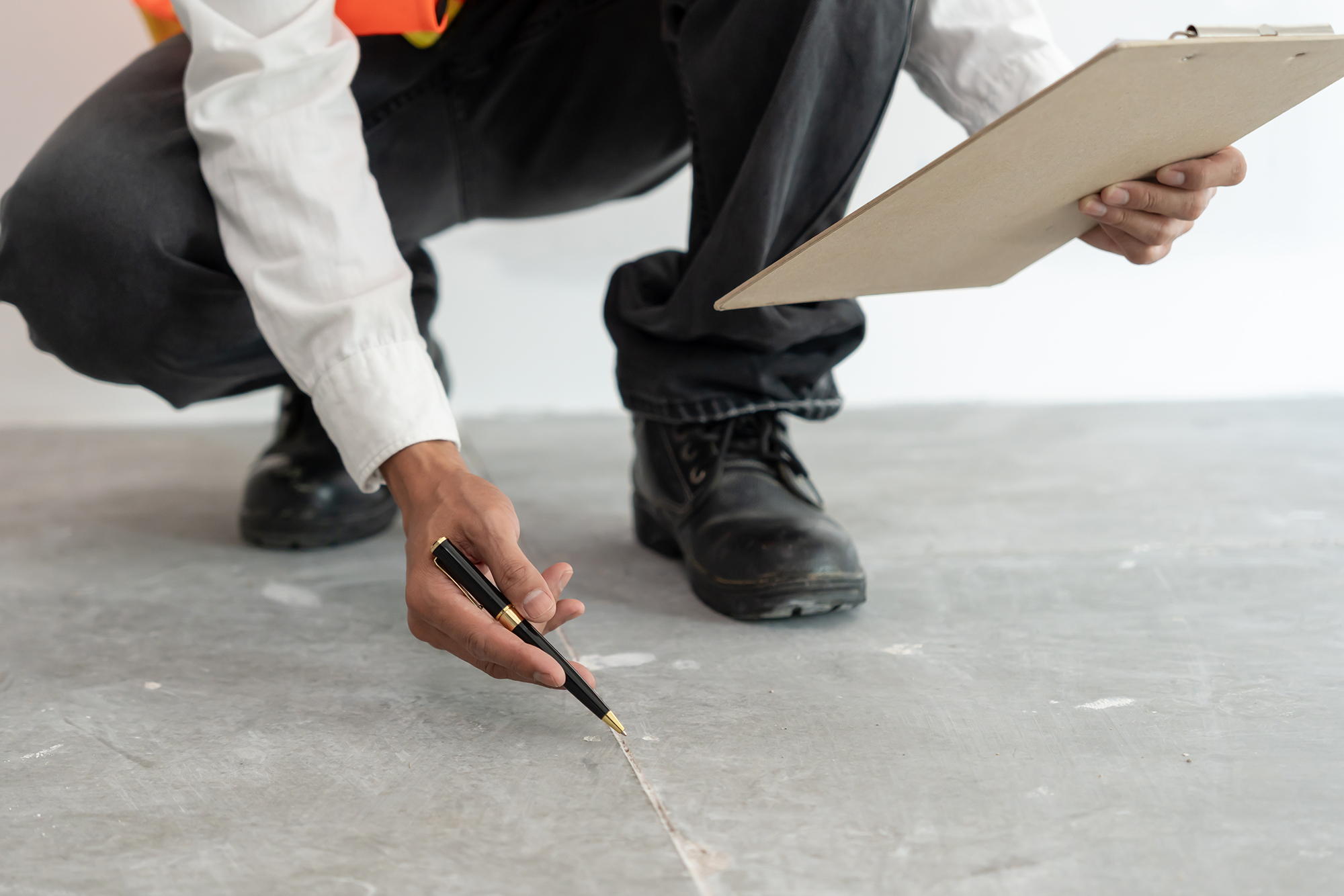
Step 1: Check Surface Stability
Ensure the base is firm and shows no visible flex. If any boards feel loose, screw them down to create a stable foundation for tiling.
Step 2: Clean & Prepare the Surface
Remove all dust, grease and old wax and lightly sand the surface to improve bonding conditions.
Step 3: Apply Primer/Bonding Layer (Optional)
Apply a suitable primer. This seals the wood and improves adhesion.
Step 4: Use Reinforcement (If Required)
To reduce movement risks, use fibre mesh or underlayment boards.
Step 5: Apply Tile Adhesive
Apply a flexible, polymer-modified adhesive. This will ensure the system absorbs minor movements without failing.
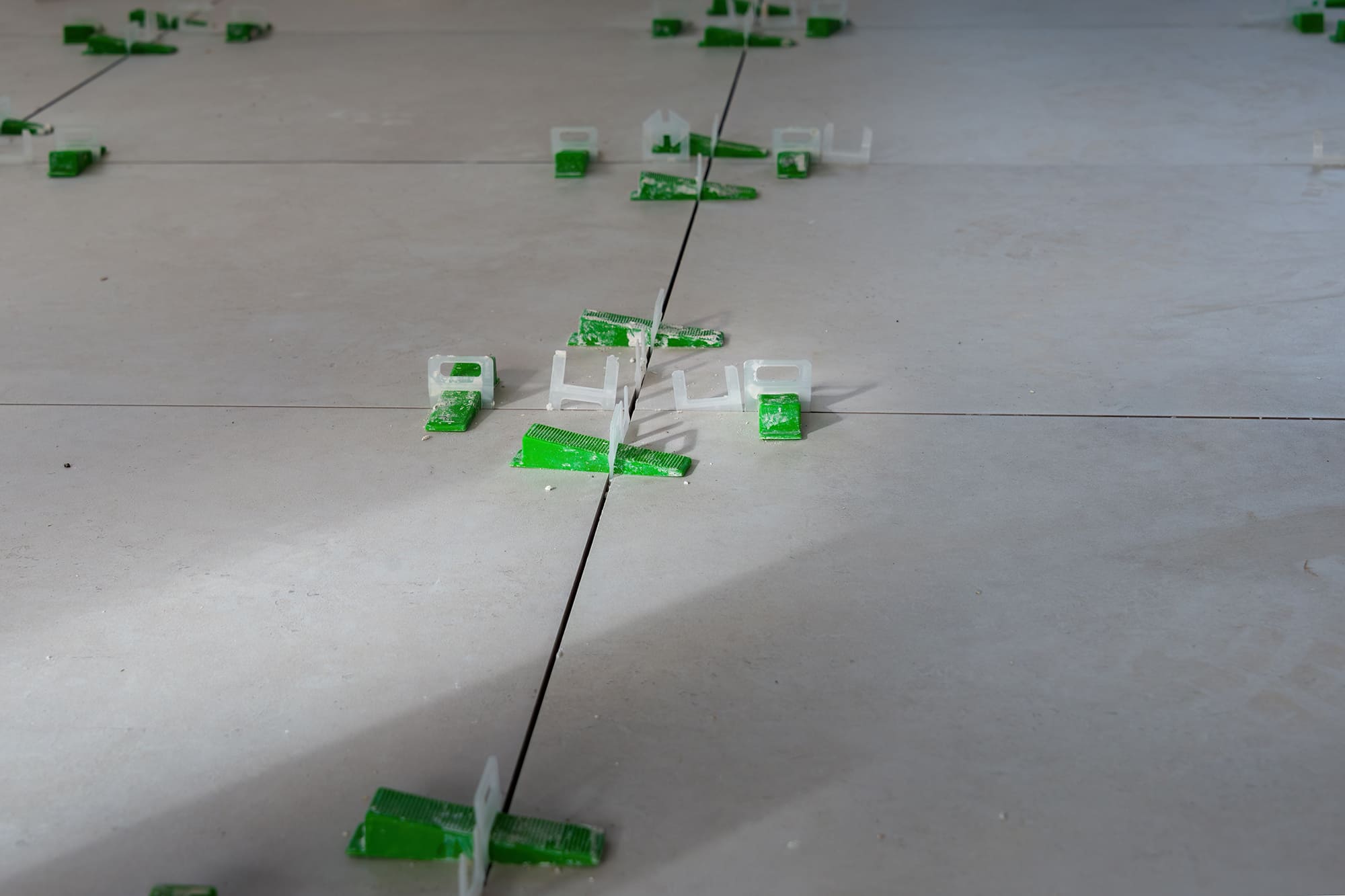
Step 6: Tile Installation
Carefully set your tiles into place, keeping the gaps even. You can use a tile spacer to ensure straight, clean lines.
Step 7: Grouting
Once the adhesive sets, apply a flexible grout. This ensures the joints can handle slight shifts over time.
Which Tile Adhesive Works Best for Wooden Surfaces?
When you want to tile over wood floor areas, your adhesive must have:
- High Flexibility - To act like a shock absorber between the wood and tile.
- Strong Bonding - To grip non-porous wooden fibres.
- Resistance to Movement - To prevent the tiles from shearing off during seasonal shifts.
Recommended Ardex Endura Solutions
For Flexible Substrates (Wood)
For tiling on wood, high-performance adhesives are essential. Products like Ardiflex PU5 and Flex adhesive by Ardex Endura are well-suited.
These options are widely regarded as the best tile adhesives because they offer excellent flexibility to accommodate surface movement, strong bonding strength and reliable performance.
For Tile Joints
To ensure durable and long-lasting finishes, use a high-quality grout such as SUPER GROUT + GT1. It offers excellent crack resistance, staying intact even with slight substrate movement.
Its long-term durability helps maintain colour stability and preserves the strength and structural integrity of joints for years under regular use.
Do You Need an Underlayment or Backer Board?
If you have a weak wooden base or want to tile over a wood floor with high traffic, using a backer board is essential. It improves overall stability and reduces movement, significantly enhancing the life of your tile installation.
Common Mistakes to Avoid
- Skipping Surface Preparation - Failing to clean and properly prepare the surface is a major mistake that results in immediate bonding failure and loose tiles.
- Using Cement Instead of Adhesive - Plain cement cannot bond to wood. The best tile adhesive ensures proper adhesion, accommodating wood movement and preventing future tile failures.
- Ignoring Movement Joints - When you tile over a wood floor, always leave gaps at edges to allow for natural wood expansion.
- Using Rigid Adhesives - Non-flexible glues do not accommodate wood movement and lead to damage when the wood shrinks or swells.
Best Applications for Tiling Over Wood
- Walls - Tiling indoor wooden walls is a great way to lift interior spaces. It gives a neat, polished finish and instantly makes the room feel more refined and visually appealing.
- Furniture & Decorative Surfaces - Tiling on furniture, such as kitchen countertops, enhances aesthetics and adds a durable, premium finish to decorative elements.
- Low-Traffic Floors - Tiling on lightly used wooden floors can work well when the base is strong and properly prepared, offering a functional and neat surface finish
Where You Should Avoid Tiling on Wood?
- Outdoor Areas - Outdoor spaces are constantly exposed to changing weather, which causes wood to expand and contract. This leads to cracked tiles, failed adhesion and potential rot underneath.
- Wet Areas - Unless treated, wood readily absorbs humidity and water, which gradually compromises its strength and stability, leading to tiles lifting, cracking or becoming uneven.
- High-Traffic Floors - Tiling on wood in heavily used floor areas is risky, as continuous foot traffic can cause stress, cracks and loosening over time, especially without proper strengthening.
Cost vs Performance Consideration
Direct tiling may seem quick and cost-effective, but in reality, it often leads to problems like cracking or early failure.
Investing in proper preparation and a suitable adhesive system ensures durability, a stronger bond and reduced maintenance, saving time and money over the lifespan of the installation.
Expert Tips for Long-Lasting Results
- Always use flexible tile adhesive to handle movement and prevent tile cracking.
- Ensure the wooden base is stable and properly secured before tiling.
- Maintain expansion joints to accommodate the natural movement of wooden substrates.
- Avoid water exposure unless using a complete waterproof tiling system.
Conclusion
So, can you tile on wood? Yes, provided you follow the right steps. With proper surface preparation, the right underlayment and a quality flexible adhesive, you can achieve a strong, long-lasting finish.
Looking for the best tile adhesive for your next project? Ardex Endura offers reliable solutions for challenging substrates, such as wood. Explore the Tile Adhesives range today and build with confidence.