Cement vs Tile Adhesive: Which One Should You Really Use?
 ARDEX ENDURA
 08 May 2026
 05 Min
Tiles are a core part of modern construction, found everywhere from kitchen floors to commercial lobbies. Yet one question arises often: which is better, tile adhesive or cement?
Many builders still rely on cement out of habit, but construction standards today demand greater strength, flexibility and performance. This is where modern adhesive systems make a difference.
Tile adhesive solutions from Ardex Endura are designed to deliver stronger bonding, better consistency and improved resistance to movement and moisture. In practical terms, they offer a more dependable and efficient alternative to traditional methods.
What is Cement (Traditional Tile Fixing Method)?
The traditional tile-fixing method uses a cement–sand mix applied by the thick-bed method, in which a thick layer of mortar (cement and sand) is laid on the surface before placing and levelling the tiles.
This approach has been commonly used in older construction practices, but it comes with limitations, including:
- Poor bonding strength
- A higher risk of hollow tiles
- The need for skilled labour
- A time-consuming application process.
- Not suitable for large-format or vitrified tiles
Because of these issues, cement often struggles in modern tiling systems. This is where a tile adhesive offers a more advanced approach.
What is Tile Adhesive?
Tile adhesive is a polymer-modified, factory-made product designed for consistent performance. Unlike cement, it follows a thin-bed application method and is engineered for different tile types.
Its key advantages include:
- Consistent quality
- Ready-to-use
- Strong bonding strength
- Better flexibility and grip
Cement vs Tile Adhesive: Detailed Comparison
|
Parameter |
Cement |
Tile Adhesive |
|
Bond Strength |
Relatively low. |
High bonding strength ensures secure and lasting fixation. |
|
Thickness |
Applied in a Slurry form or thick paste. |
Applied in a thin to medium thick, uniform layer for a better finish. |
|
Tile Compatibility |
Limited, not ideal for modern, non-porous or vitrified tiles. |
Suitable for all tile types. |
|
Wastage |
Higher material wastage during mixing and application. |
Minimal wastage. |
|
Application Time |
Slower process with longer preparation and curing times. |
Faster and more efficient application. |
|
Durability |
Moderate performance over time. |
Long-lasting with better resistance to stress and movement. |
|
Skill Requirement |
Requires skilled labour for proper results. |
Easier to apply with a moderate skill level. |
|
Hollow Tiles Risk |
Higher chances due to uneven bonding. |
No to minimal risk with proper application. |
|
Flexibility |
Rigid |
Flexible |
Why Cement Fails in Modern Tile Applications?
Modern tiles have evolved, but cement has stayed the same. Large-format tiles need much stronger bonding than cement provides. Furthermore, vitrified tiles have very low porosity. This means they do not soak up the cement mix, leading to poor adhesion.
Thermal expansion is another major issue. Buildings move and shift slightly. Cement is rigid and cracks under this pressure. This results in tile popping or unsightly cracks.
In wet areas like bathrooms, cement can also leach salts. Eventually, this causes the dreaded hollow sound or complete tile failure.
Where Tile Adhesives Perform Better?
For Large Format Tiles/ Nonporous tiles
Large tiles are heavy and need strong bonding. Tile adhesives offer a secure grip and better stability.
For Wet Areas
Bathrooms and balconies are constantly exposed to moisture. Adhesives provide a water-resistant barrier that stops moisture from seeping.
For Tile-on-Tile Applications
Cement cannot bond to existing tiles. Tile adhesive adheres to existing surfaces, making it efficient for renovation projects.
For Vertical Surfaces (Walls)
Wall applications need a strong grip. The best tile adhesive prevents slipping and ensures clean alignment.
How to Choose the Right Adhesives?
Not all tiles perform the same, which is why choosing the right tile adhesive should always depend on the material you are working with. Here are a few key points to keep in mind -
- Ceramic Tiles - Require standard adhesives with reliable bonding.
- Vitrified Tiles - Need polymer-rich adhesives for a stronger grip.
- Large-Format Tiles - Demand adhesives with high deformability to prevent stress-related failures.
- Outdoor Areas - Choose weather-resistant adhesives that can handle temperature changes.
- Wet Zones - Always opt for waterproof adhesives to avoid seepage.
Recommended Ardex Endura Tile Adhesives
- For Ceramic Tiles - Use our entry-level adhesives like BRONZE STAR or SILVER STAR. These are easy to work with and offer consistent performance, making them ideal for standard interior spaces with stable conditions.
- For Vitrified Tiles/ Wet Areas - Go for stronger polymer-modified formulas such as DIAMOND STAR or GOLD STAR PLUS or SILVER STAR PLUS. Designed to handle low-absorption Tiles/ surfaces, they reduce the chances of tiles loosening over time.
- For Large Format/Heavy Tiles - Choose high-performance products like PLATINUM STAR PLUS (White) and PLATINUM STAR PLUS (Grey). These have enhanced load-bearing capacity, helping tiles stay in place without sagging.
- For Exterior Applications - Solutions like Ardiflex S1 Grey and Ardiflex S1 White offer superior flexibility and excellent water and frost resistance, helping maintain tile integrity even in demanding environments.
Cost Comparison: Cement vs Tile Adhesive (Long-Term View)
At first glance, cement may seem like a cost-effective option. But it involves higher wastage and more labour time, and when you factor in potential repairs, it turns out to be less economical than it initially appears.
In contrast, a tile adhesive installation lasts longer and involves almost zero wastage. You save money on labour and avoid the trouble of fixing cracked tiles later. This makes tile adhesives more cost-efficient in the long run.
Common Mistakes to Avoid
- Using cement for vitrified tiles often leads to weak bonding and long-term issues.
- Not selecting the best tile adhesive based on the tile type or application area.
- Not mixing or applying the adhesive properly, which affects its consistency and performance.
- Ignoring proper surface preparation results in poor adhesion and reduced durability.
Expert Tips for Better Tile Installation
- Always choose your adhesive based on the tile type for optimal performance.
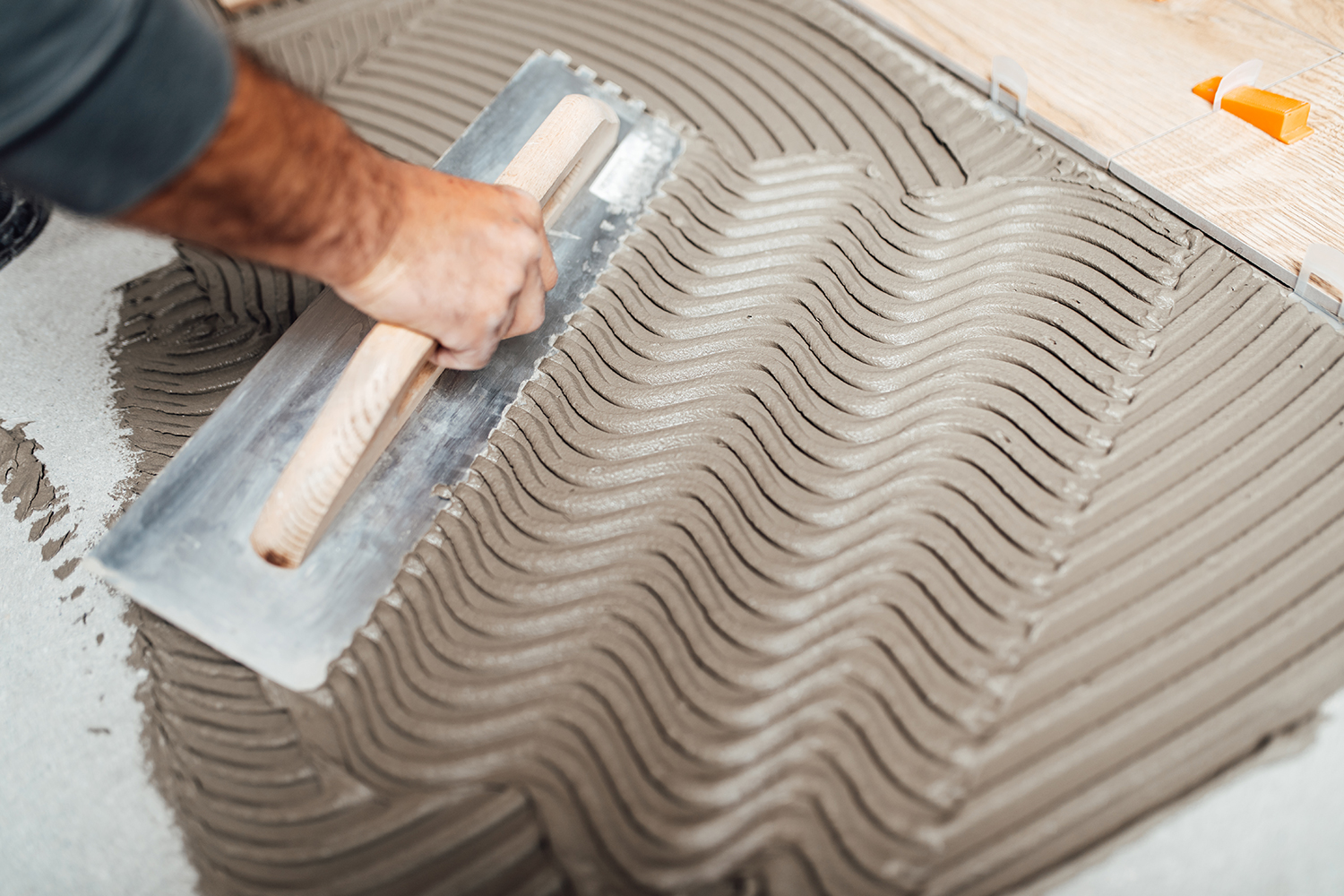
- Use the right-notch trowel to ensure even adhesive spread and proper coverage.
- Make sure the surface is clean, dry and level before you begin.
- Follow recommended curing guidelines to allow the tiles to set properly and last longer.
Conclusion
If you are still wondering which is better, tile adhesive or cement, the answer becomes quite straightforward when you look at long-term results rather than just initial cost.
While cement may feel familiar, the best tile adhesive offers superior bonding, durability and reliability. It makes installation smoother and helps avoid common issues down the line.
If you are ready to start your project, Ardex Endura has a variety of Tile Adhesives tailored to different tile types and surfaces, making it easy to find the perfect match for your home.