Water Tank Waterproofing Guide: Tiling vs Direct Potable Waterproofing
 ARDEX ENDURA
 08 May 2026
 05 Min
Water tanks are the silent workhorses of any property, ensuring a steady supply of safe water for daily use. However, when these structures fail, the consequences are often messy and expensive.
Leakage or contamination can lead to severe structural damage, significant water loss and serious health risks for inhabitants. Choosing the right water tank waterproofing solutions is essential to keep your storage system functional and hygienic.
The first involves waterproofing with a tiling system, where tiles act as an added protective layer. The second is direct potable-grade waterproofing, where a coating is applied straight onto the concrete.
Each method has its own advantages, depending on what your project needs. This guide takes you through both options, so you can find a solution that keeps your tank well protected and free from leaks.
Why Waterproofing Water Tanks is Critical?
Skipping proper water tank waterproofing can lead to serious issues over time. When done correctly, it plays a vital role in protecting both the structure and the quality of the stored water, serving several key purposes, including -
- Prevents Water Leakage - It stops water from seeping through porous concrete and damaging the surrounding structure.
- Ensures Structural Protection - Proper sealing helps prevent moisture-related deterioration, reducing the risk of internal damage, corrosion and long-term structural weakening.
- Maintains Water Hygiene - A properly sealed tank helps keep water safe by preventing the entry of contaminants, bacteria and external impurities that can compromise water quality.
- Increases Tank Lifespan - It reduces wear and tear caused by constant water exposure, pressure and environmental factors.
Common Problems in Poorly Waterproofed Water Tanks
Without proper waterproofing solutions, several issues tend to develop over time, such as -
- Seepage & Leakage - Water slowly escapes through pores, weakening surrounding areas.
- Cracks in Concrete - Structural stress and moisture lead to visible and hidden cracks.
- Contamination of Stored Water - Poor sealing allows bacteria and dirt to infiltrate the drinking water supply.
- Algae & Fungal Growth - Damp interiors encourage unhealthy biological growth
Two Main Waterproofing Methods Explained
A. Waterproofing with Tiling System
This method uses a layered approach for protection, bringing together a waterproofing membrane, tile adhesive, tiles and grout. When applied properly, these layers work together to create a durable, protective and practical finish.
Key Benefits
- Additional Surface Protection - The tiles act as a physical shield that helps the surface handle everyday wear.
- Easy Cleaning - The smooth finish makes it easy to clean off any dirt or build-up during regular cleaning.
- Aesthetic Finish - It provides a clean, professional look that is ideal for visible or accessible tanks.
Limitations
- Higher Cost - Multiple materials and labour increase the overall project cost.
- More Installation Steps - Requires careful sequencing for proper performance.
- Risk of Grout Failure - Poor grouting can create weak points for leakage.
B. Direct Potable Waterproofing (Without Tiles)
This method involves applying a potable-grade waterproof coating directly onto prepared concrete surfaces, which forms a seamless protective layer.
Key Benefits
- Safe for Drinking Water - The waterproof coatings are specifically formulated to be non-toxic.
- Faster Application - The application is quick and simple, as you only need to mix the provided components and apply them directly.
- Cost-Effective - It reduces material and labour costs while providing high-performance protection.
- Seamless Protection - The liquid-applied membrane creates a continuous barrier with no joints or seams.
Limitations
- Requires Certified Products - Only approved materials should be used for safety.
- Needs Proper Surface Preparation – Performance depends heavily on substrate quality.
Tiling Vs Direct Waterproofing: Detailed Comparison
|
Parameter |
Tiling System |
Direct Potable Waterproofing |
|
Application Time |
Longer |
Faster |
|
Cost |
Higher |
More economical |
|
Maintenance |
Moderate |
Low |
|
Hygiene |
Good |
Excellent (potable safe) |
|
Risk of Failure |
Medium (grout joints) |
Low (seamless system) |
|
Aesthetics |
High |
Functional |
Step-by-Step Process for Each Method
A. Waterproofing with Tiling
Step 1: Surface Preparation
Clean the substrate to remove any loose particles.
Step 2: Apply Waterproofing Layer
Apply a suitable waterproofing membrane evenly across the surface.
Step 3: Apply Tile Adhesive
Use a polymer-modified adhesive for strong bonding in wet conditions.
Step 4: Tile Installation
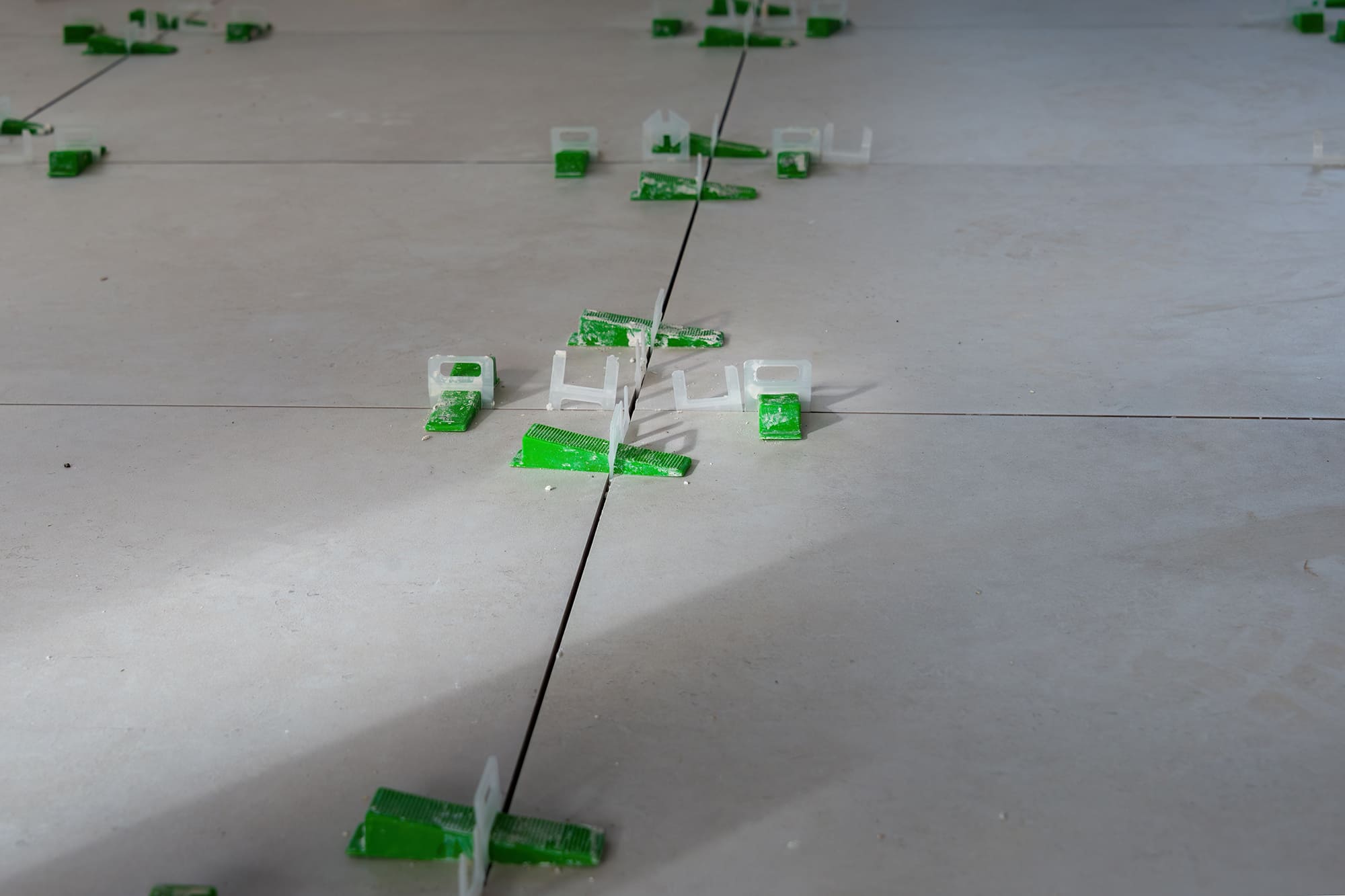
Fix tiles carefully with consistent spacing and alignment.
Step 5: Grouting
Once the tiles are set, fill the joints with a water-resistant grout to help stop any seepage.
B. Direct Potable Waterproofing
Step 1: Surface Cleaning & Crack Repair
Fix any structural cracks and ensure the surface is dry and dust-free.
Step 2: Apply Potable Waterproof Coating
Spread the potable-grade coating evenly using either a brush or roller.
Step 3: Curing & Testing
Leave the coating to cure fully before testing for leaks.
Which Method Should You Choose?
Choose Tiling System If:
- A polished, aesthetic finish is a priority for your project.
- The tank is easily accessible for periodic maintenance.
Choose Direct Potable Waterproofing If:
- Maintaining the highest hygiene standards for drinking water is your top priority.
- You need a faster application to get the water supply back online quickly.
- You are working within a limited budget but still require premium protection.
Recommended Ardex Endura Solutions
Ardex Endura’s advanced waterproofing solutions are built to deliver reliable, long-term protection while maintaining safety for water storage structures.
For Tiling-Based Waterproofing
Cementitious waterproofing systems like WPM 002, along with liquid membranes such as WPM 004 Flex offer excellent protection with Direct tile ability. They create a seamless barrier, are suitable for water storage and ensure easy application across various waterproofing requirements.
High-performance tile adhesives such as GOLD STAR PLUS and SILVER STAR PLUS are designed for strong bonding, even in submerged conditions.
Pairing these with EPOXY GROUT further helps prevent leakage through joints, ensuring high bonding strength, reliable water resistance and long-term durability.
For Direct Potable Waterproofing
Epoxide based WPM 300 offer excellent protection. They create a seamless barrier, are suitable for water storage and ensure easy application across various waterproofing requirements.
Common Mistakes to Avoid
- Using non-potable materials can contaminate stored water and pose health risks.
- Poor surface preparation reduces adhesion and leads to early failure.
- Ignoring crack repair becomes an entry point for leakage.
- Improper grouting in tiled systems allows water seepage.
- Skipping the waterproofing layer before tiling can compromise the system and lead to leaks over time.
Best Practices for Long-Term Water Tank Protection
- Regular Inspection - Check for signs of wear or cracks at least once a year.
- Use Certified Materials - Only opt for potable-grade waterproofing solutions like those offered by Ardex Endura.
- Ensure Proper Curing - Never rush the drying process, as it weakens the chemical bond.
- Periodic Maintenance - Keep the tank clean to prevent acidic buildup that can erode coatings.
Applications of Water Tank Waterproofing
- Overhead Water Tanks - Prevent leaks and protect the structure from weather-related damage.
- Underground Tanks - Keep external moisture out and handle water pressure, reducing the chances of seepage.
- Industrial Water Storage - Improves durability and helps the structure withstand regular, heavy use.
- Residential Buildings - Reduces the risk of leaks and maintains a safe, hygienic water supply.
Conclusion
Both tiling and direct waterproofing are effective water tank waterproofing methods when applied correctly. The choice depends on your budget, application, hygiene priorities and the specific requirements of your project.
If you are exploring options, Ardex Endura offers a range of waterproofing solutions that support consistent, dependable results. Visit the website today to find an option that fits your unique needs.