How to Identify Water Leakage Source in Buildings
 ARDEX ENDURA
 05 Jun 2026
 06 Min
Water leakage in buildings is one of the most common issues today. Since visible damage appears far from the actual source, misidentifying the origin leads to repeated repairs and higher costs. With Ardex Endura, accurate identification of the leak is the first step towards solving it.
In this blog, we will discuss how to identify and fix water leakage in buildings.
Why Identifying the Exact Leakage Source is Important
- It prevents repeated repairs of the same leakage issues, which involve only surface waterproofing solutions.
- Accurate detection saves both time and cost by targeting the real problem area.
- It also protects structural integrity by stopping water from rotting beams or rusting steel.
- A correct diagnosis ensures long-term waterproofing success for your entire property.
Common Signs of Water Leakage in Buildings
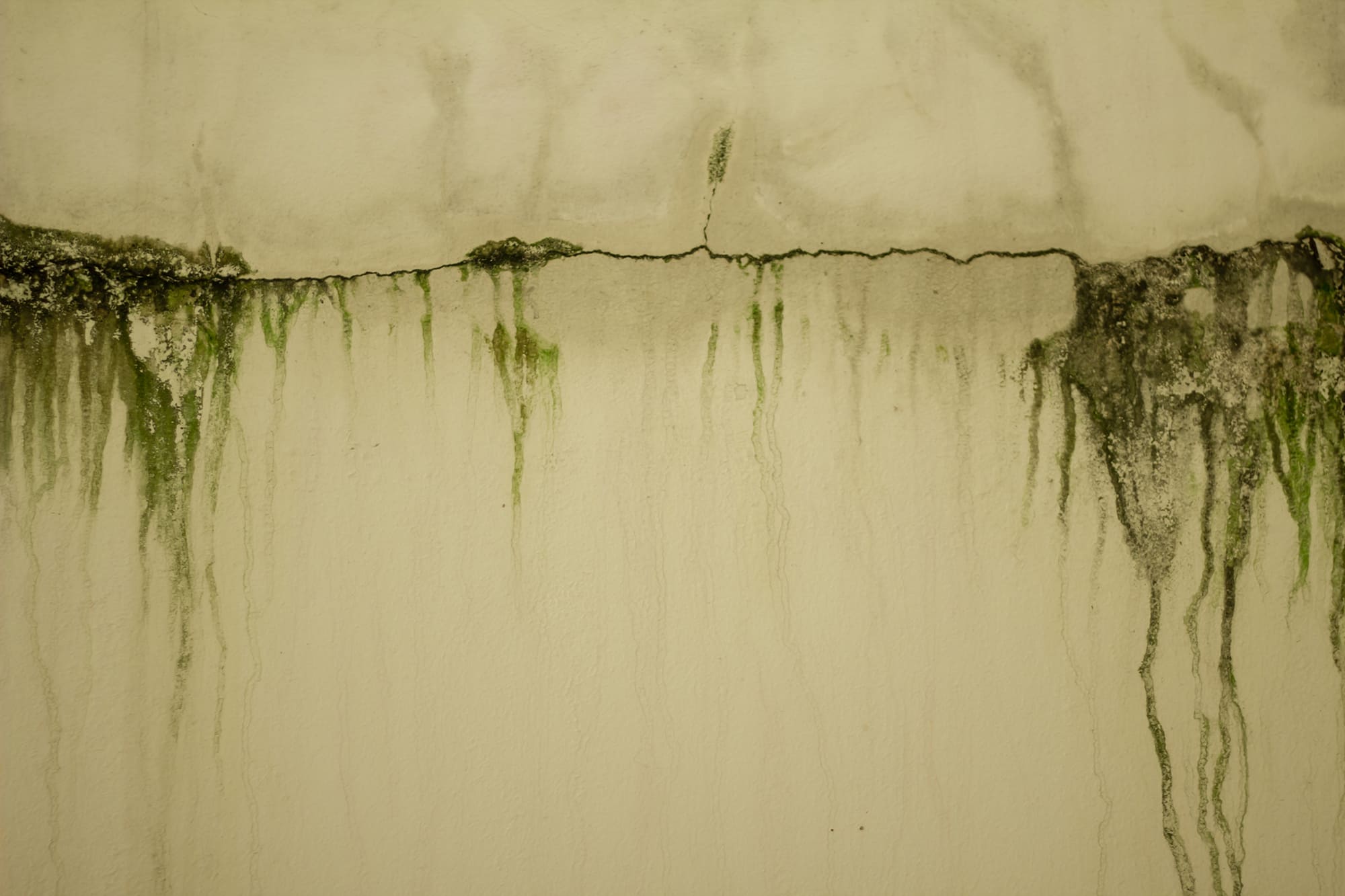
- You may notice discoloured spots that feel cold or moist to the touch. These damp patches on walls or ceilings can spread slowly over time.
- Moisture behind the surface pushes the finish away from the surface. It usually appears as peeling paint or bubbling plaster before visible leakage.
- Dark spots and damp smells suggest hidden moisture from leaks, which can lead to a musty odour or mould growth.
- Active water dripping or brown stains and rings on your ceiling require immediate use of building water leakage solutions.
- New cracks in the walls or ceiling can indicate that water is swelling the materials. They worsen during seasonal changes.
Common Sources of Water Leakage
Terrace/Roof Leakage
Due to weather exposure, surface gaps allow rainwater to seep into the rooms below.
Bathroom & Wet Area Leakage
High moisture in these areas can cause faulty seals around drains or tiles, allowing water to seep in more easily.
Plumbing Line Leakages
Hidden or broken pipes behind walls can cause constant dampness even when it is not raining.
External Wall Seepage
Porous outer walls absorb moisture during heavy rainfall, leading to dampness on their inner side.
Basement/Foundation Leakage
Groundwater seeps through floor or wall joints and exerts pressure on the basement walls.
Window & Door Joint Seepage
If joints are not sealed, rainwater can come inside through gaps in the frames.
Step-by-Step Guide to Identify the Leakage Source
Step 1: Identify the Location of Damage
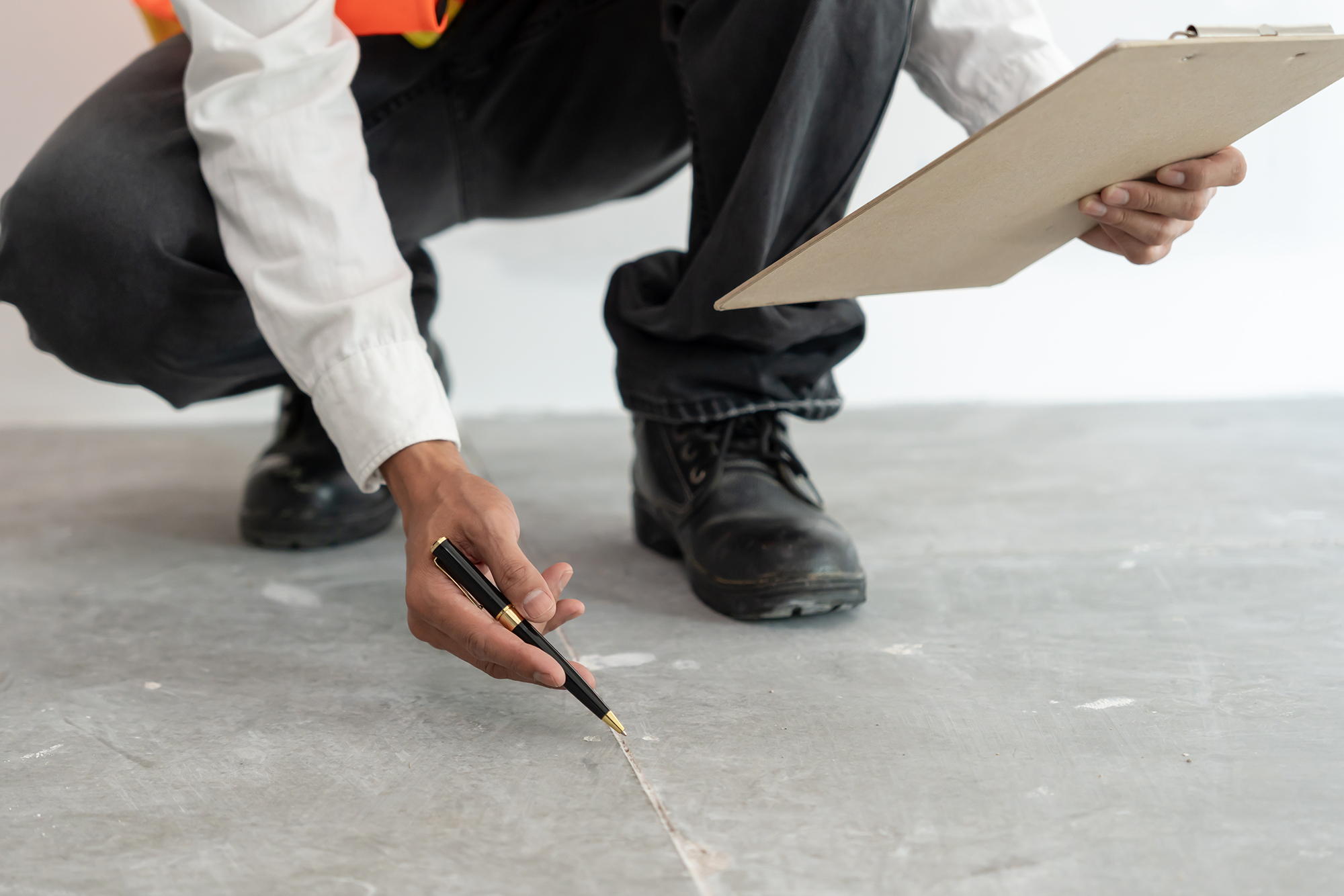
Look closely at the spots where the moisture appears. The initial spot on the ceiling, wall, corner or floor provides the first clue to the water entrance.
Step 2: Trace the Water Path
Since water travels along beams and pipes, the source may be far away. Check for trails of salt or minerals left behind by moving water.
Step 3: Check Timing of Leakage
If the leak happens only during rain, it is likely an external issue. A continuous dampness results from a plumbing issue or a leaking pipe.
Step 4: Inspect Adjacent Areas
Check the floors above, the nearby bathrooms or the terrace directly overhead. Sometimes, a leak in one room shows up in the ceiling of another.
Step 5: Perform Simple Water Tests
Use controlled water pouring to identify the entry spot. Soak one area at a time and wait to see if the leak reacts. It helps determine the specific crack or joint causing trouble.
How to Identify Specific Types of Leakage
Roof/Terrace Leakage
They appear after rainfall, as evidenced by damp ceiling patches or water dripping after a storm. They result from blocked drains or cracks in the terrace floor.
Bathroom Leakage
You will often see dampness on adjacent walls or leakage below the bathroom floor. It points to failed waterproofing solutions under the tiles or around the shower area.
Plumbing Leakage
It is characterised by continuous dampness that never dries out. You might also notice a sudden increase in water bills even though your usage hasn't changed.
External Wall Seepage
It mostly happens during rain when the wind drives water against the building. You will find damp outer-facing walls, especially near windows or architectural joints.
Advanced Methods for Leak Detection
- Moisture meters measure water content in walls and detect invisible dampness.
- Thermal imaging cameras capture temperature differences caused by hidden moisture.
- Pressure testing confirms whether a plumbing line leaks by detecting pressure drops in pipes.
Recommended Ardex Endura Solutions
For Terrace & Roof Leakage
Our Liquid Applied Waterproofing Membranes offer seamless protection across the entire surface. They provide excellent UV and weather resistance to roofs exposed to the harshest sun or rain.
For Bathroom & Wet Areas
We recommend cementitious waterproofing systems. These are perfect for wet zones because they offer strong bonding to the substrate. Their high moisture resistance prevents water from seeping into the rooms below.
For Cracks & Structural Repairs
Our repair mortars and crack fillers ensure durable repairs that prevent water from entering cracks. They also prevent further water leakage in buildings and protect the steel inside the concrete.
For External Walls
We recommend protective waterproof coatings. These building water leakage solutions act as a shield against driving rain. They provide high weather resistance and long-term durability while keeping your exterior walls looking fresh.
Common Mistakes to Avoid
- Painting over a damp spot to fix symptoms instead of the source will not stop the water.
- Ignoring minor dampness and wet patches can lead to major structural failures.
- Using temporary fixes and cheap sealants can lead to costly repairs later.
- Poor material selection for waterproofing solutions will lead to failure under environmental stress.
When Should You Call a Professional?
Some leaks are too difficult to fix yourself and demand expert services. If you see structural cracks or experience repeated leakage issues after previous repairs, professional help is necessary. You can call Ardex Endura for complex or hidden leaks that you cannot trace.
Preventive Measures to Avoid Future Leakages
- Conduct regular inspections of your roof and plumbing once every six months.
- Ensure timely waterproofing and apply fresh building water leakage solutions before the monsoon season.
- For drainage maintenance, keep all roof gutters and floor drains free of debris.
- Always use waterproofing products made with quality materials for every repair job.
Conclusion
Identifying the source of water leakage in buildings is the most critical step. A proper diagnosis ensures effective, long-lasting waterproofing. Using the right materials prevents recurring issues and keeps your home safe.
At Ardex Endura, we help you build surfaces that last. Focus on finding the cause, and the solution will be much simpler.